
Areas of Agreement
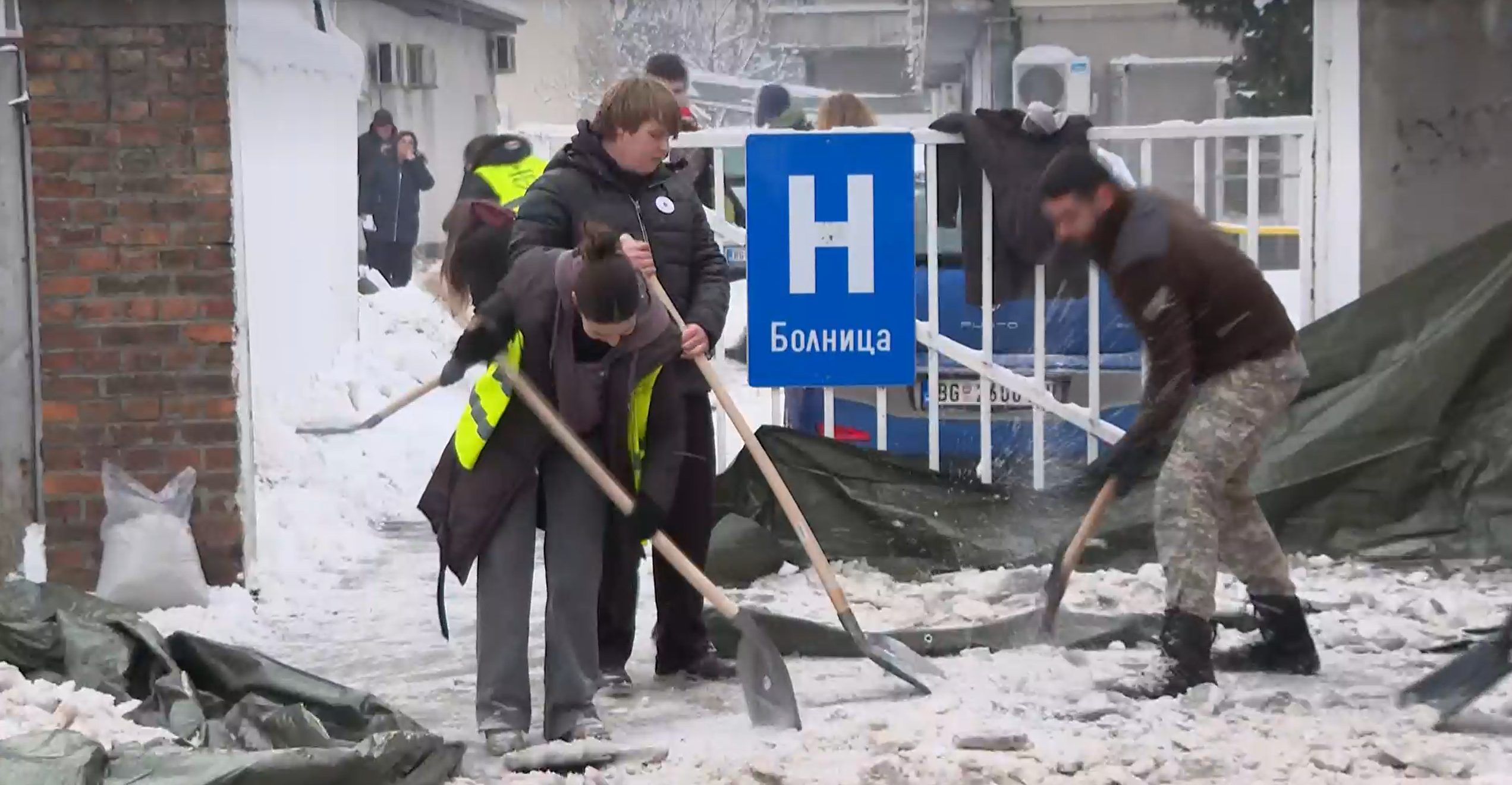
Both perspectives emphasize the scale, organization, and social value of the Belgrade students’ snow-clearing initiative. Opposition outlets underscore that students from blocked faculties and particularly the Medical Faculty mobilized early in the morning, prioritized hospitals, health centers, and key access points, and successfully cleared entrances at the University Clinical Center of Serbia and facilities like KBC "Zemun". They consistently frame the action as:
- A self-organized, volunteer effort driven by students to protect patients and vulnerable citizens.
- A rapid, practical response to heavy snowfall that created serious mobility and safety problems.
- A call for broad citizen participation, with clear instructions on when (from 6 AM) and where to join, and what equipment to bring.
Areas of Divergence
Because there are currently no pro-government articles covering this topic, all visible framing and interpretation comes from opposition media. In opposition reporting, the action is not only humanitarian but also implicitly political, highlighting what they describe as a delayed or insufficient response from public utility companies and other city services. They stress:
- That official services are “falling behind”, with students “filling the gap” left by institutions.
- A direct, critical message to JKP directors to “enjoy their armchairs while they still can,” signaling dissatisfaction with current management and governance.
- The link between the snow-clearing effort and ongoing student blockades, presenting the initiative as part of broader civic and political engagement, not just a one-off volunteer action.
In sum, the coverage currently available portrays the student initiative as a successful, citizen-led response to an urgent problem, but framed by opposition outlets as evidence of institutional failure and the political awakening of students, while the absence of pro-government coverage itself becomes part of the media contrast.
Story coverage