health
EIGHT DAYS WITHOUT BREAD, AND A TABLE FULL OF SYMBOLS: What exactly happens during the great holiday of Passover
Pesach is much more than a religious holiday – it is the foundation of Jewish memory, spirituality, and family tradition. Discover the meaning of the symbols, customs, and messages that this holiday carries even today, in a time when freedom takes on new faces.
TL;DR
- Passover is one of the most widespread Jewish holidays, with varying customs across communities.
- It is the strictest Jewish holiday regarding diet, prohibiting leavened food (chametz) for eight days (seven in Israel).
- Many observant Jews meticulously clean their homes to remove any trace of chametz.
- A custom exists for the firstborn child in a family to fast the day before Passover, commemorating God sparing Israel's firstborn during the plagues of Egypt.
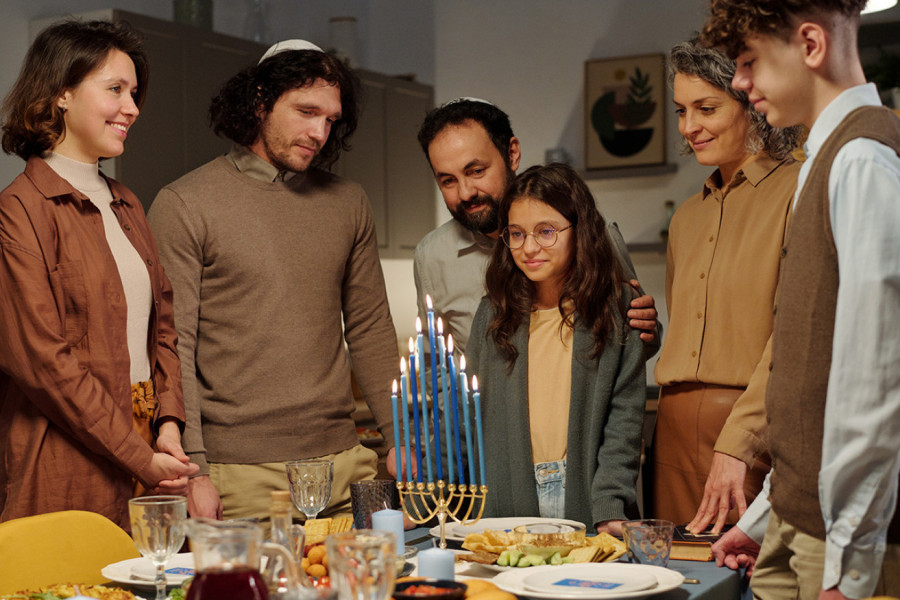
- The central event is the Seder, a ritual meal that recounts the Israelites' exodus from Egypt, featuring symbolic foods like bitter herbs and matzah.
- Matzah, or 'bread of affliction,' is unleavened flatbread eaten during Passover, symbolizing the haste with which the Israelites left Egypt.
- Special synagogue services are held, including readings from the Torah and the Song of Songs.
- For the first two and last two days of Passover, many observances are similar to Shabbat, including abstaining from activities like driving, working, and spending money.