health
This 'Worst Plant in the World' Will Lower a House's Price, and Maybe the House Itself: It's Spreading Here Too, and It Arrived as an Ornamental Plant
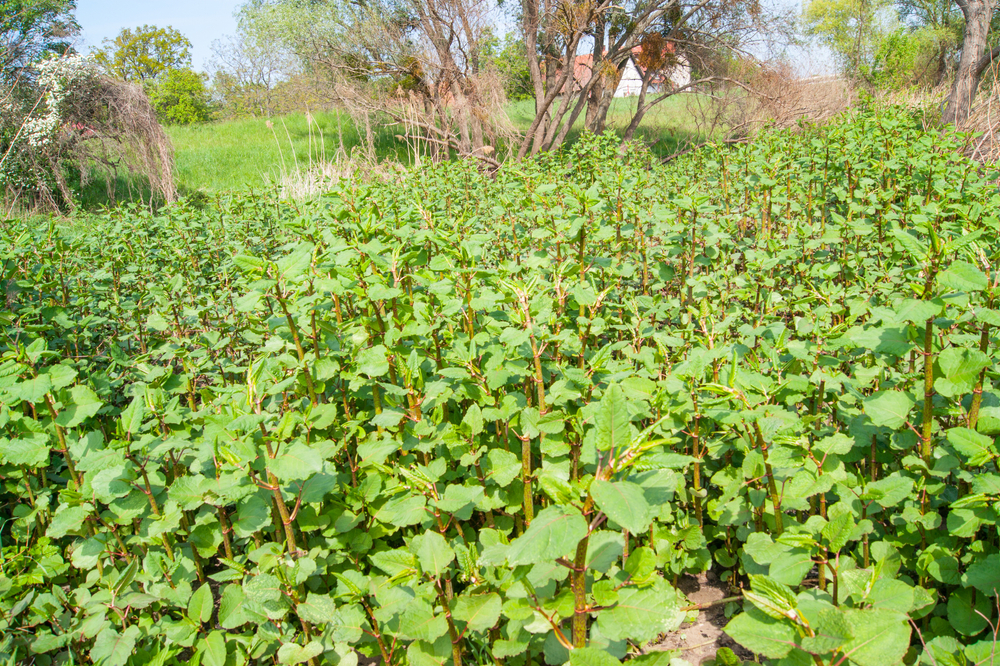
Originating from East Asia, where it was kept in check by natural enemies in volcanic areas, Japanese knotweed (Reynoutria japonica) arrived in Europe in the 19th century as an exotic ornamental plant.
TL;DR
- Japanese knotweed arrived in Europe in the 19th century as an ornamental plant from East Asia.
- It is an invasive species in Serbia, present in urban areas, along riverbanks, roads, and abandoned land.
- The plant's destructive power comes from its extensive rhizome system, which can spread widely and deeply, with even small fragments capable of growing new plants.
- It causes structural damage to concrete, asphalt, pipes, and building foundations by exploiting and widening cracks.
- On the surface, it forms dense stands that block sunlight, killing native plant species and reducing biodiversity.
- In the UK, Japanese knotweed can decrease property values by up to 20% and make obtaining mortgages difficult.
- Eradicating Japanese knotweed is a long, difficult, and often frustrating process, as simple methods like mowing are insufficient and can worsen the problem.
- Effective control involves a combination of methods and long-term persistence, including mechanical removal and herbicides, with systemic herbicides applied in late summer or early autumn being most effective.
- Treatments like seawater, steam, and boiling water have shown some results in warmer regions.
- Studies suggest that treating leaves with glyphosate is the most environmentally friendly and cost-effective method compared to excavation or physical removal.