health
Hunger Can Deceive: How Big Should Your Portions Be
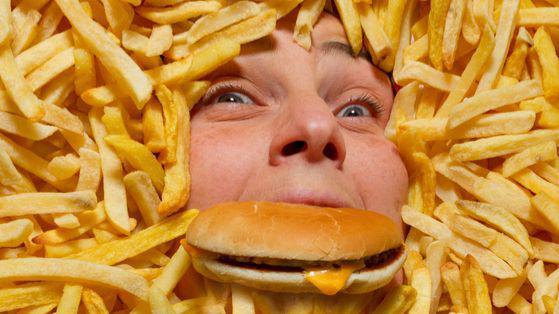
Carbonated drinks in huge glasses and bottles, larger burgers, plates full of food.
TL;DR
- Portion sizes have grown significantly over the last 50 years, correlating with increased obesity rates.
- Increased competition among restaurants and the affordability of food, especially processed items, have driven larger portions.
- People tend to eat more when served larger portions, often consuming around 35% more.
- Internal cues for hunger and satiety are unreliable; external factors like portion size easily influence eating habits.
- Reducing plate size does not significantly impact food consumption; the availability of extra food is the key factor.
- To manage intake, it's recommended to separate a portion and remove excess food from sight.
- Paying attention to hunger cues, being mindful of eating, and understanding recommended serving sizes on food labels are crucial.
- Focusing on whole, unprocessed foods is less problematic regarding portion size compared to packaged goods.