health
Phthalates in Plastic: How to Avoid 'High-Risk Chemicals'
A persistent rash in her daughter, which turned into open sores, prompted Marina Petrović to start carefully reading the ingredients of diapers and wet wipes.
TL;DR
- Phthalates are chemicals added to PVC plastic to increase flexibility and are classified as endocrine disruptors, potentially affecting growth, development, reproduction, and metabolism.
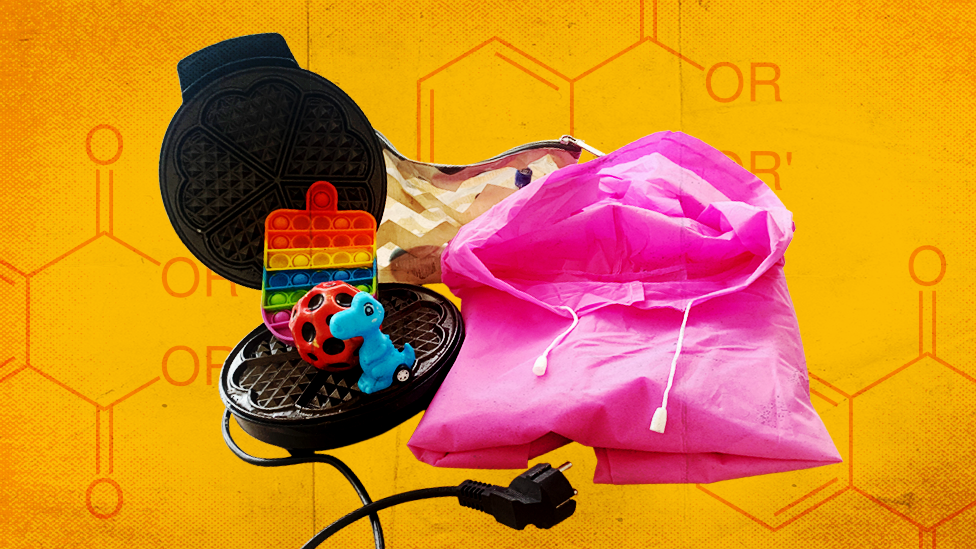
- They are found in a wide range of products, including toys, household items, cosmetics, and even food packaging, leading to daily exposure through ingestion, inhalation, and skin contact.
- Studies have linked phthalate exposure to health problems such as obesity, type 2 diabetes, cardiovascular diseases, and reproductive issues, including infertility and increased risk of miscarriage.
- While Serbia has regulations limiting phthalate content in consumer products since 2023, concerns remain about enforcement and the presence of these chemicals in products not yet withdrawn from the market.
- Consumers are advised to carefully read product labels, choose products made from safer materials like glass or wood, and be mindful of plastic recycling codes (specifically number 3) to minimize phthalate exposure.