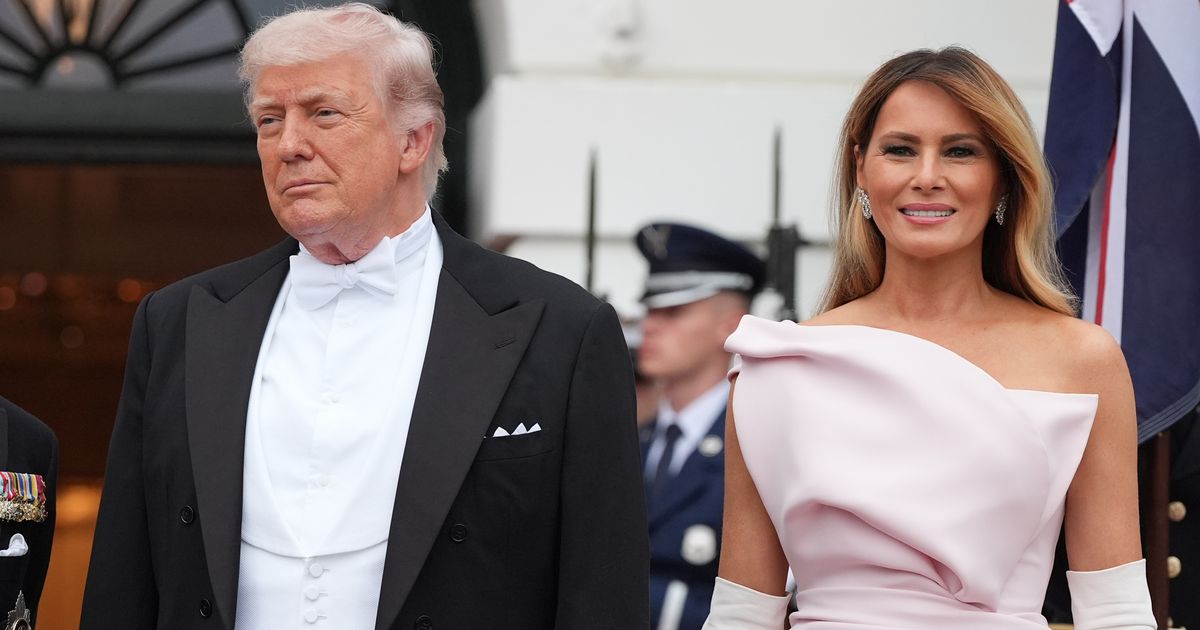
King Charles III and Queen Camilla are on a four-day state visit to the United States that has included a White House welcoming ceremony, a formal state dinner, and the King's address to Congress, with both opposition and pro-government outlets agreeing that the visit is framed as a reaffirmation of the close US‑UK alliance. Coverage from both sides notes that Charles and Donald Trump exchanged light jokes and personal anecdotes, that the banquet was a highly choreographed, multi-course, black-tie affair at the White House, and that the royal couple’s itinerary spans Washington, New York, and Virginia, including ceremonial events and symbolic gestures of remembrance. Both camps also report that a brief, seemingly awkward public moment between Trump and Melania at the state dinner went viral, and that New York officials planned to meet Charles at a wreath‑laying ceremony in Manhattan tied to the 9/11 commemorations.
The outlets broadly agree on the wider context of the visit: it is Charles’s effort to cement his role as head of state in a key allied nation, reinforce the historic transatlantic partnership, and honor shared sacrifices in war and terrorism. There is consensus that the US‑UK relationship is routinely framed by leaders as a uniquely close alliance rooted in centuries of political, cultural, and military ties, and that such visits blend soft-power symbolism with diplomacy. Both sides situate the ceremony at the 9/11 memorial and the planned tribute to the 250th anniversary of American independence within ongoing debates about empire, colonial history, and restitution of artifacts like the Kohinor diamond, while acknowledging that any such discussions would be informal and politically sensitive.
Areas of disagreement
Tone and emphasis. Opposition-aligned outlets depict the visit as a dignified but lighthearted diplomatic pageant, foregrounding the King’s congressional address, the grandeur of the banquet, and mutual flattery between Trump and Charles, while downplaying viral side stories. Pro-government outlets instead devote more space to the Melania–Trump hand moment and its online reactions, using the state visit mainly as a backdrop to domestic personality drama and click‑friendly video content. As a result, opposition coverage highlights statecraft and protocol, whereas pro-government coverage treats the same events as fodder for social-media‑driven spectacle.
Portrayal of Trump and the monarchy. Opposition sources frame Trump and Charles as engaging in benign, almost scripted banter that underscores institutional continuity between the two countries, presenting Trump as a host performing expected ceremonial duties while the monarchy symbolizes tradition. Pro-government outlets present Trump in a more central, personalized role, emphasizing his warm rhetoric about the British as America’s closest allies and his sentimental anecdotes about his mother and Queen Elizabeth II, which cast him as a key architect of the relationship. The monarchy, in this framing, becomes a stage for Trump’s persona, whereas opposition coverage treats Trump more as one actor within a larger diplomatic script.
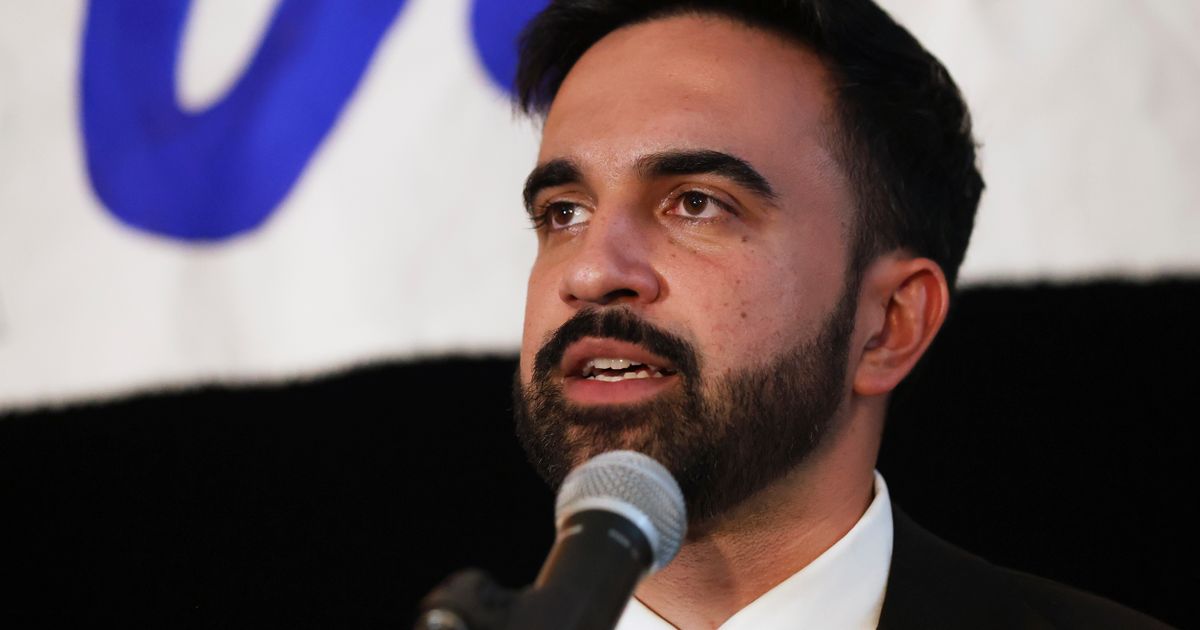
Historical and colonial questions. Opposition coverage largely treats the visit’s nods to history—such as the 250th anniversary of American independence and visits to sites of remembrance—as consensual, unifying rituals that gloss over contentious imperial legacies. Pro-government outlets, by giving prominence to the New York mayor’s comment about asking for the return of the Kohinor diamond, bring colonial restitution debates to the surface, suggesting a more confrontational or at least unresolved dimension to Britain’s imperial past. This leads opposition outlets to appear focused on shared heritage and alliance, while pro-government ones acknowledge sharper disputes over historical injustices even within a celebratory visit.
Significance of public scrutiny. Opposition sources acknowledge the formality and heavy planning of the state dinner and related ceremonies, implying that minor personal moments are incidental to the larger diplomatic message. Pro-government coverage, however, uses the viral Melania video to argue that every gesture of public figures is subject to intense scrutiny, effectively elevating micro‑interactions to a central narrative about modern politics and media. Thus, opposition outlets see the visit as dominated by structured ceremony and policy symbolism, whereas pro-government outlets argue that the public’s gaze and viral media now define how such visits are remembered.
In summary, opposition coverage tends to foreground the structured diplomacy, ceremonial symbolism, and continuity of the US‑UK alliance, while pro-government coverage tends to personalize the visit around Trump, spotlight viral moments, and highlight flashpoints like colonial restitution that complicate the celebratory narrative.