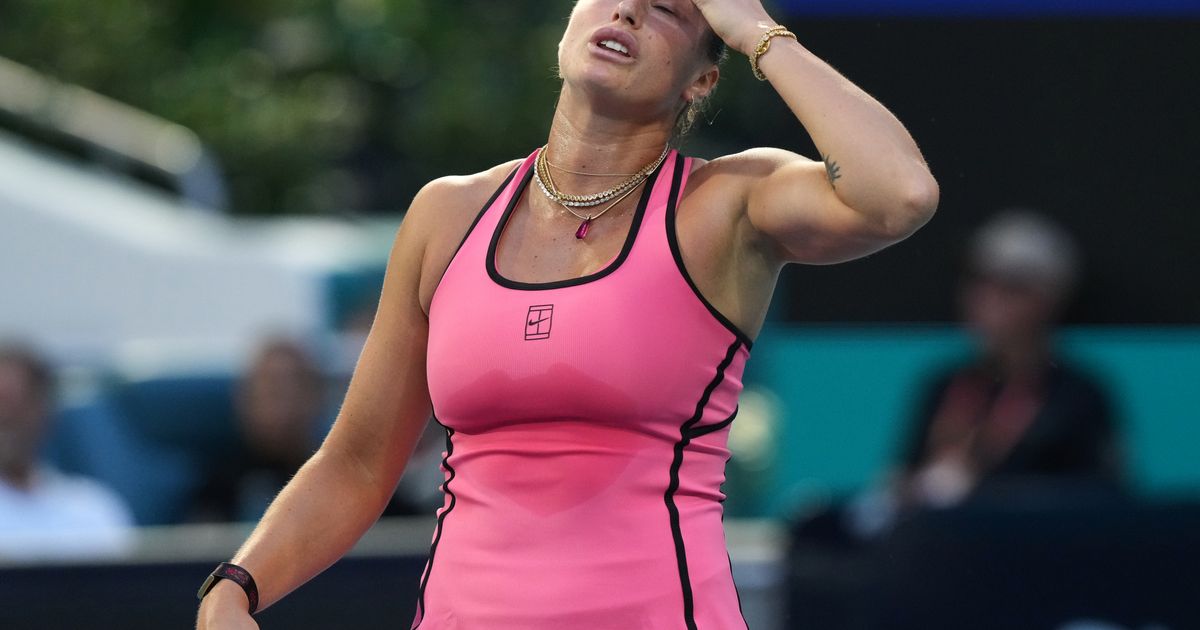
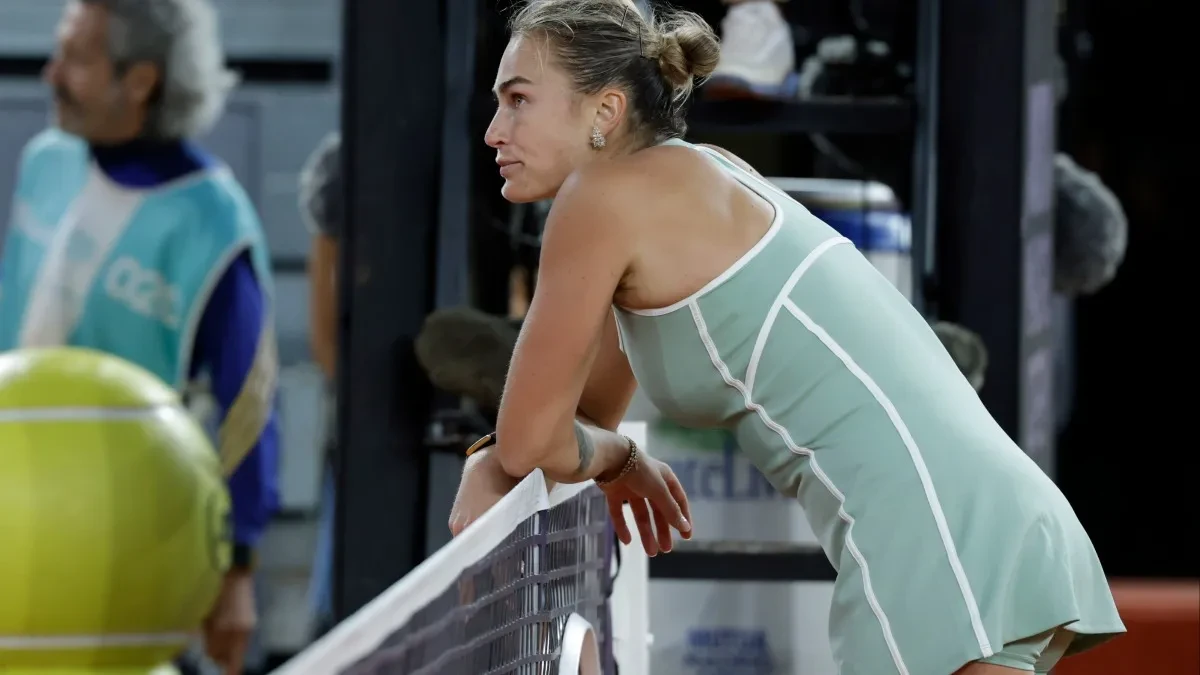
Hailey Baptiste defeated defending champion Aryna (Arina) Sabalenka in the quarterfinals of the Madrid Masters in a dramatic three‑set match that is widely described as a major upset. Both sides agree that Sabalenka won the first set, then failed to convert six match points, including chances at 5:4 in the final set and in the deciding tie‑break, allowing Baptiste to complete a comeback and win 2:1. Reports also concur that this loss is especially notable because Baptiste becomes only the second player in 2026 to beat Sabalenka, and that the match featured high tension and repeated momentum swings. It is further agreed that Baptiste’s victory ends Sabalenka’s title defense in Madrid and that Baptiste’s reward is a place in the semifinals against Mirra Andreeva.
Coverage from both camps situates the result within Baptiste’s emergence as a dangerous underdog and Sabalenka’s broader 2026 season, emphasizing the rarity of her defeats this year. Outlets on both sides frame Madrid as a key stop on the women’s tour, underscoring that Sabalenka’s early exit is significant not just for the tournament draw but also for narrative arcs leading into later events in the season. They also highlight the psychological pressure of closing out matches at this level, presenting the six missed match points as emblematic of how narrow the margins are in elite tennis. Shared context stresses the role of recent form, physical conditioning, and the mental side of match play, noting that such upsets can reshape rankings trajectories, sponsorship interest, and expectations for both players for the rest of the year.
Areas of disagreement
Framing the upset. Opposition-aligned sources are likely to present the match primarily as a breakthrough story for Baptiste, centering her resilience, tactical adjustments, and potential long-term rise on the tour, while treating Sabalenka’s loss as a secondary element. Pro-government coverage, by contrast, frames the event first and foremost as a shock to Sabalenka’s campaign, emphasizing her status as defending champion and the rarity of her defeat this season, with Baptiste often portrayed as the surprising beneficiary rather than the main protagonist.
Focus on failure versus opportunity. Opposition outlets tend to focus on the opportunity created for the rest of the draw and for rising players like Baptiste and Mirra Andreeva, arguing that the result opens the door to a more unpredictable and competitive tournament. Pro-government media concentrate more on Sabalenka’s failure to convert six match points, parsing where her game broke down under pressure and presenting the outcome as an avoidable collapse rather than as a broader sign of shifting power dynamics in the women’s game.
Interpretation of significance. Opposition reporting is inclined to interpret the upset as evidence that established hierarchies can be challenged and that the women’s field is deepening, highlighting how lesser‑known players can disrupt presumed favorites. Pro-government coverage, however, tends to stress that despite the loss Sabalenka remains one of the dominant figures of 2026, treating the match as an anomaly that underscores how even top contenders can briefly falter without fundamentally altering the overall balance of power.
Narrative tone and future outlook. Opposition-aligned sources are more likely to adopt an optimistic tone about Baptiste’s future prospects, speculating that this win could catalyze a sustained rise and reposition her within the rankings and endorsement landscape. Pro-government outlets, in contrast, adopt a more protective tone toward Sabalenka, framing the defeat as a motivational setback that will sharpen her focus for upcoming tournaments and predicting a strong rebound rather than a lasting decline.
In summary, opposition coverage tends to spotlight Baptiste’s breakthrough and the broader opening it suggests in the women’s field, while pro-government coverage tends to center Sabalenka’s rare collapse, framing the upset as an exceptional stumble in an otherwise dominant season.