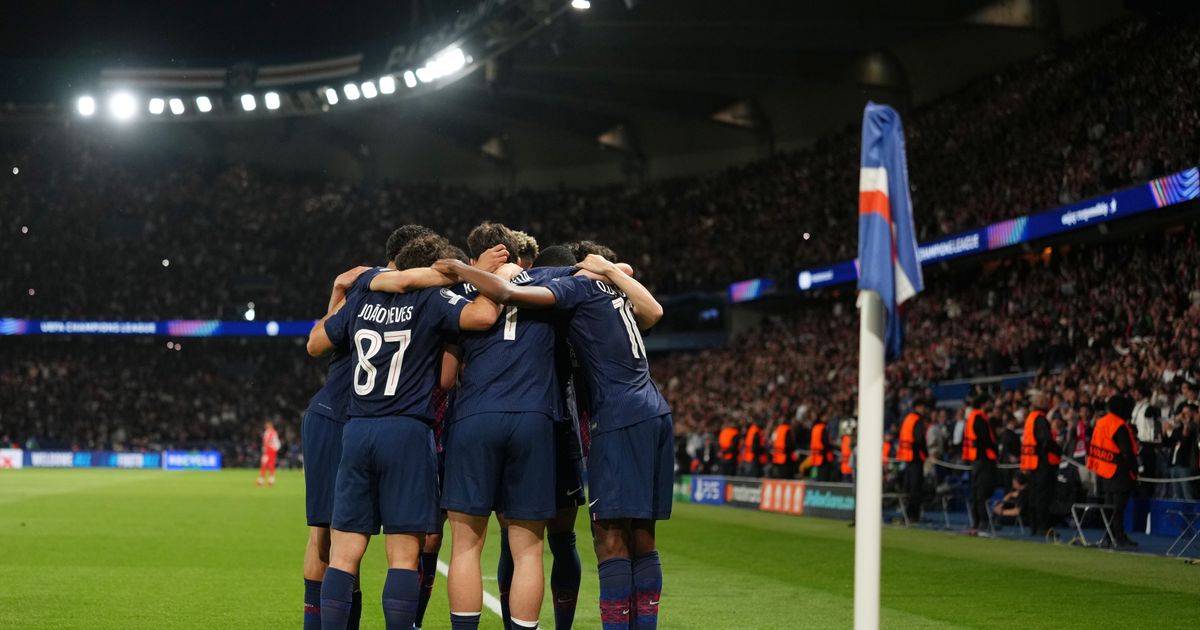
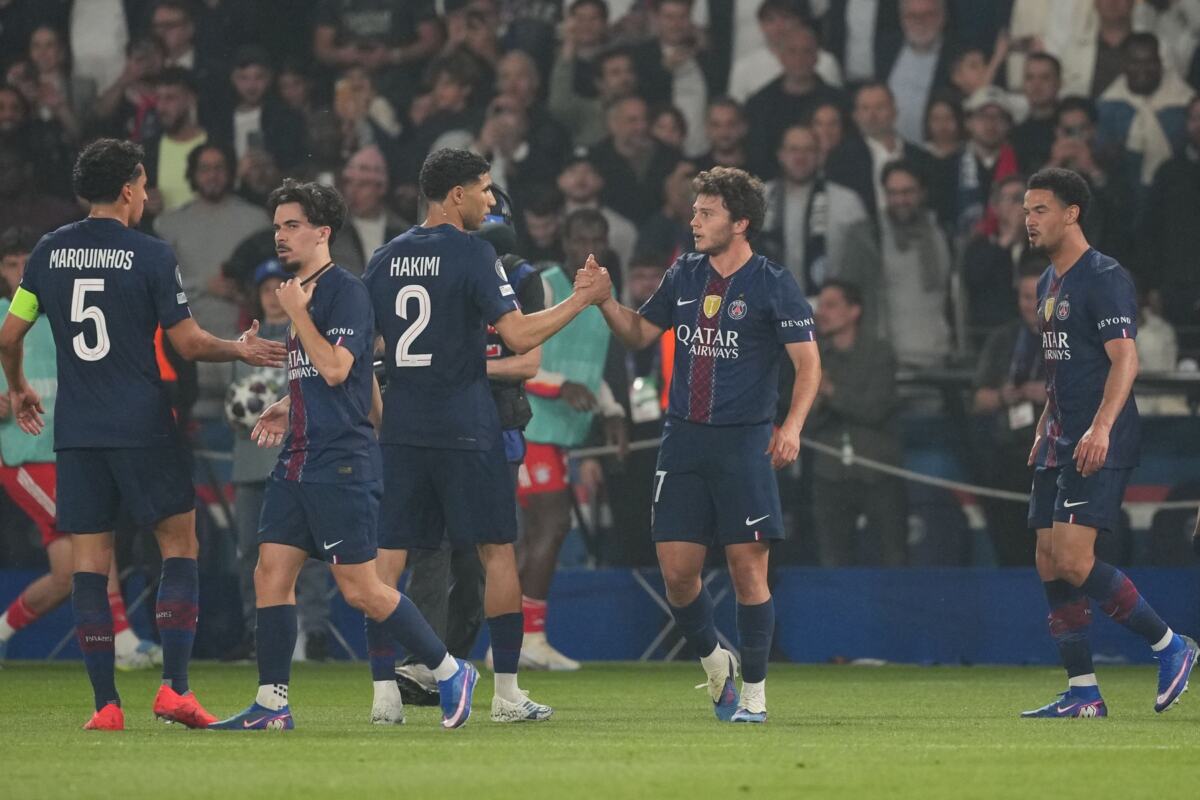
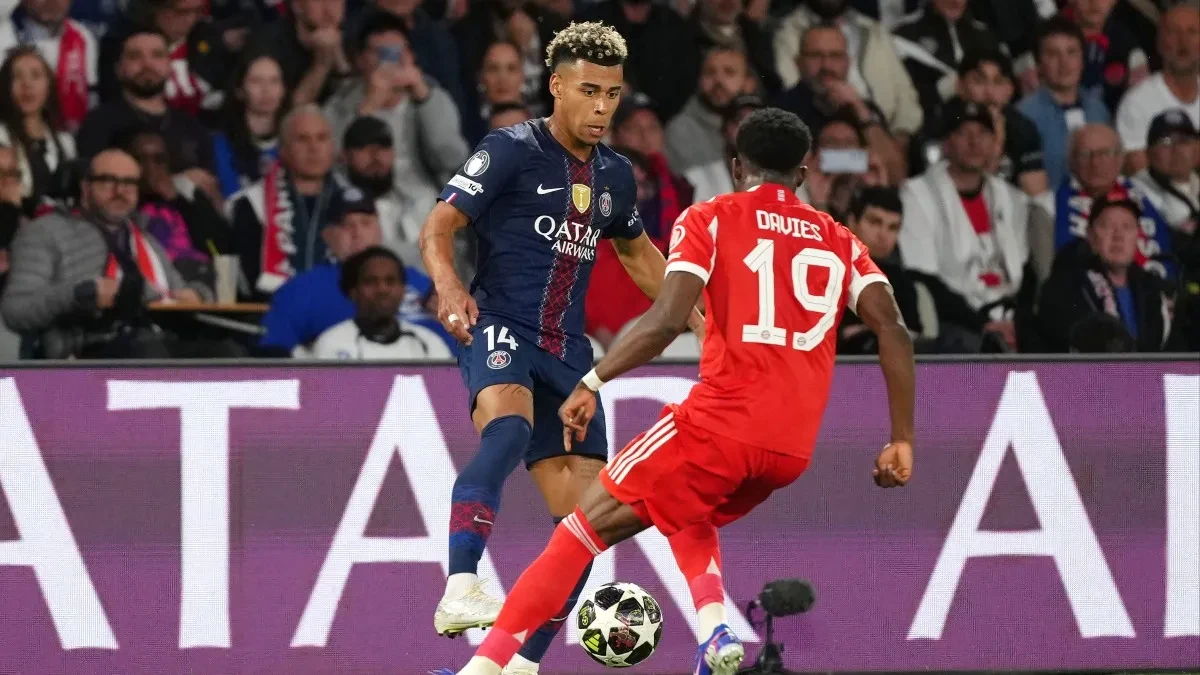
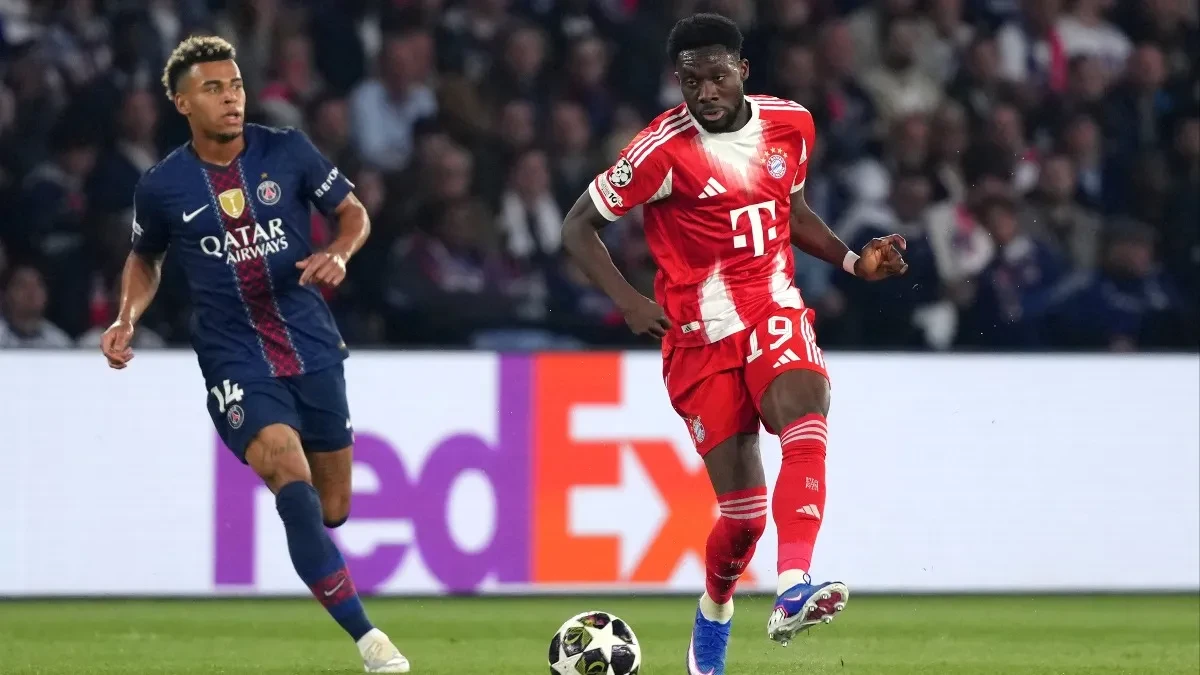
Paris Saint-Germain defeated Bayern Munich 5-4 in Paris in the first leg of a Champions League semifinal, in a match universally described as one of the most dramatic and high-scoring in the competition’s history. Both opposition and pro-government outlets agree that the game produced nine goals, that Bayern initially led through a Harry Kane penalty before PSG turned the match around with strikes from Kvaratskhelia and João Neves, and that the second half featured rapid-fire scoring and a late Bayern surge that cut PSG’s lead from 5-2 to 5-4. Coverage converges on the fact that the tie remains open ahead of the second leg despite PSG’s narrow advantage, that several key moments involved controversial penalties and VAR checks, and that the spectacle, tempo, and constant lead changes made the encounter instantly memorable.
Across both camps, the match is framed within the broader context of Champions League history and PSG’s long-running quest to win the trophy. Media on both sides highlight that this fixture broke the record for goals in a Champions League semifinal, surpassing the previous mark set by Liverpool and Roma in 2018, and emphasize that the offensive quality and individual star performances will be referenced for years. They concur that the clash showcased the attacking philosophies of both clubs, spotlighted France’s role as a stage for top-tier European football, and intensified scrutiny on coaching decisions, defensive frailties, and squad depth heading into the decisive second leg, all while reinforcing the competition’s status as the pinnacle of club football.
Areas of disagreement
Tone and symbolism. Opposition outlets tend to treat the 5-4 win as a thrilling but fragile advantage, emphasizing defensive lapses and warning that the late collapse from 5-2 to 5-4 could symbolize deeper structural weaknesses in French football and national sporting management. Pro-government outlets instead cast the same match as “football for gods” and “history being written,” using it as a symbol of national sporting prowess and proof that domestic investment has turned Paris into the epicenter of elite European football.
Responsibility and risk. Opposition reporting is more inclined to stress coaching risks and board-level decisions at PSG, framing the game as a potentially dangerous blueprint built on attacking excess and tactical recklessness that might backfire in the second leg. Pro-government media generally celebrate the attacking audacity as visionary, praising the staff and ownership for assembling a squad capable of outgunning Bayern and portraying the high-risk approach as a calculated, modern style that aligns with France’s broader sports strategy.
Assessment of Bayern and the tie’s balance. Opposition sources are likelier to underline that Bayern’s comeback from 5-2 to 5-4 exposes how narrow PSG’s margin truly is, portraying the German side as still structurally superior and warning that the tie remains heavily in doubt. Pro-government outlets acknowledge the comeback but frame Bayern primarily as a great rival vanquished on the night, arguing that psychological momentum and the record-breaking nature of the victory give PSG a tangible edge going into the return leg.
Domestic political framing. Opposition coverage tends to connect PSG’s performance to wider criticisms of how the state and political elites align with high-profile clubs, suggesting that focusing on spectacular wins can obscure unresolved issues in grassroots sport and public policy. Pro-government narratives more often integrate the match into a success story about the country’s international image, presenting PSG’s record-breaking night as validation of long-term policies that aimed to make France a global center of football and major events.
In summary, opposition coverage tends to treat the 5-4 thriller as a double-edged spectacle that exposes vulnerabilities, politicizes the club’s choices, and questions how sustainable such victories are, while pro-government coverage tends to elevate the match as a historic triumph that validates current sporting and political trajectories and underscores France’s status at the heart of European football.