pro-government
Република / Фотогалерея / Анђела Игњатовић Бресквица
Открила све детаље!
3 days ago
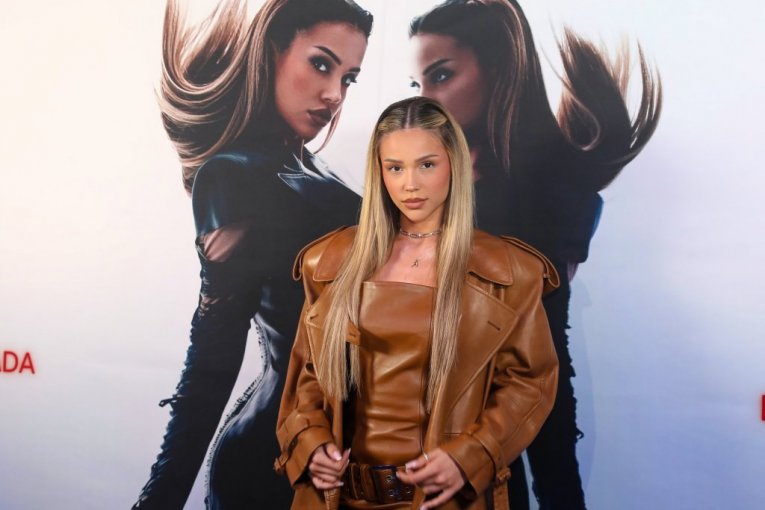
Singer Anđela Ignjatović, known as Breskvica, has launched her new album titled "Descarada" at the Belgrade venue Ložionica, with media from both sides noting the event as a high‑profile promotion attended by colleagues and friends. Across outlets, coverage highlights that she spoke about the creative process, the support she received from those close to her, and the way she is handling intense public attention to both her music and private life.
Both opposition-leaning and pro-government outlets agree that Breskvica directly addressed rumors tying her to basketball star Luka Dončić, framing them as speculation rather than confirmed romance, while admitting that attention from such a successful figure is flattering. They also converge on her self‑description as calm under media pressure, careful not to show anger publicly, yet increasingly willing to be more assertive or "bold" in defending her boundaries and image in the entertainment scene.
Focus and framing. Opposition-aligned coverage tends to downplay the promotional glamour, using the album launch and Dončić rumors mainly as an entry point into broader commentary on celebrity culture and media spin. Pro-government outlets instead foreground the spectacle and lifestyle angle, emphasizing visuals from the event, outfit details, and the excitement surrounding the premiere as a feel-good entertainment story. Where opposition sources present the promo as one of many routine showbiz happenings, pro-government media frame it as a major cultural moment showcasing a rising domestic star.
Treatment of the Dončić rumors. Opposition outlets are more inclined to treat the Luka Dončić angle skeptically, stressing the unverified nature of the rumors and hinting that such narratives can be manufactured to boost visibility for both entertainment and sports brands. Pro-government coverage, while echoing Breskvica’s denial of a confirmed relationship, leans into the flirtatious and aspirational aspects of the story, highlighting her admission that the attention flatters her. As a result, opposition media position the rumors as a media-constructed distraction, whereas pro-government outlets use them to add light intrigue and glamour to the album campaign.
Portrayal of Breskvica’s agency. Opposition sources tend to frame Breskvica as a case study in how young performers navigate an invasive tabloid environment, emphasizing her remarks about staying calm under pressure as a quiet critique of sensationalism. Pro-government outlets, in contrast, present her as confidently mastering publicity, stressing her comment that sometimes one should be "brazen" as proof of her strength and charisma rather than a defensive reaction to media excess. Thus, opposition coverage foregrounds vulnerability and systemic pressure, while pro-government reporting highlights empowerment and personal branding.
In summary, opposition coverage tends to treat Breskvica’s album launch and the Dončić rumors as routine showbiz material that illustrates broader problems of tabloidization and media spectacle, while pro-government coverage tends to amplify the glamour, romance speculation, and narrative of a self-assured young star skillfully riding public attention.