
pro-government
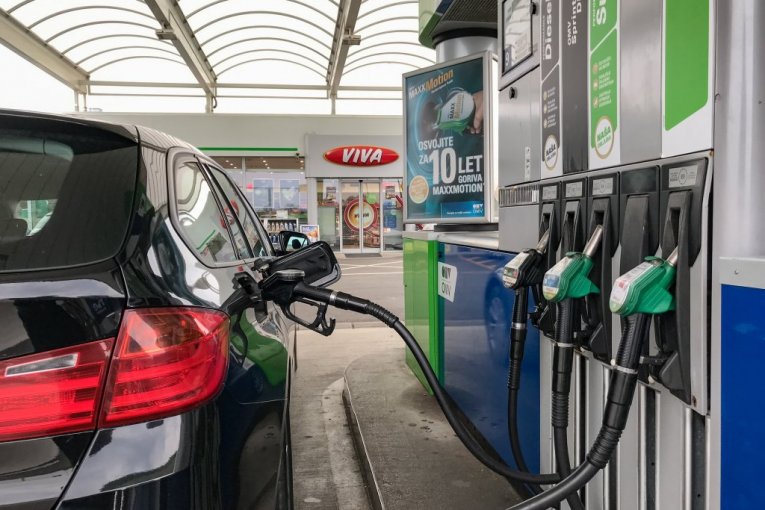
ЭТО НОВЫЕ ЦЕНЫ НА ТОПЛИВО: Вот что нас ждет на заправках перед Первым мая!
Новые цены на топливо публикуются каждую пятницу до 15:00.
11 days ago
New fuel prices in Serbia now set eurodiesel at 219 dinars per liter and gasoline at 191 dinars per liter, with these levels applying from Friday 3 p.m. until April 30 across the country’s filling stations. Both opposition and pro-government outlets acknowledge that the government has formally extended the decree limiting maximum fuel prices, that excise duties on gasoline and diesel have been reduced by a little over three dinars per liter, and that the regulatory changes enter into force immediately and will remain in place at least until early May.
Across the spectrum, media agree that the central institutional actor is the Serbian government, which is using its legal authority to regulate derivatives and cap maximum fuel prices via amendments to the existing fuel pricing decree. Outlets on both sides also point to external economic pressures, particularly the rise of global oil benchmarks such as Brent above about 105 dollars per barrel amid geopolitical tensions in the Middle East, and they note that fuel policy is being shaped within a broader environment of volatile international energy, currency, and commodity markets.
Framing of government action. Opposition-aligned sources tend to frame the new fuel prices primarily as a visible increase in the cost of living and highlight the fact that eurodiesel has become more expensive despite regulatory interventions. Pro-government outlets, by contrast, foreground the government’s decision to reduce excises and extend price caps, presenting the state as actively shielding citizens from even higher market prices. While opposition reporting stresses the burden on ordinary drivers, pro-government coverage emphasizes protective measures and rapid decision-making.
Causes and responsibility. Opposition media are likely to acknowledge global oil trends but underline domestic policy choices, arguing that high taxes, past fiscal decisions, or dependence on imports have left Serbia vulnerable to price spikes. Pro-government outlets place much greater weight on international factors, especially geopolitical tensions and rising Brent prices, portraying domestic authorities as largely constrained by external shocks. Where opposition narratives search for accountability at home, pro-government narratives redirect responsibility toward global markets and crises.
Economic impact and beneficiaries. In opposition coverage, the main theme is the negative impact on households, professional drivers, and small businesses, with suggestions that fuel distributors and the state budget may still benefit from elevated prices. Pro-government media instead stress that excise cuts and regulated margins limit profits for fuel companies and reduce fiscal room for the state, implying that the government and suppliers are sacrificing revenue to protect consumers. Opposition narratives thus question who really gains from the new pricing, while pro-government narratives insist the primary beneficiary is the average driver.
Stability and outlook. Opposition sources are inclined to highlight uncertainty, warning that the current price levels are temporary and could rise again after the decree expires, casting doubt on the sustainability of the government’s approach. Pro-government outlets, however, underscore regulatory continuity and present the extension of the decree as a stabilizing measure that brings predictability at least through early May, sometimes pairing this with broader reassurances about economic and market stability. While opposition reporting stresses the risk of future shocks and policy reversals, pro-government reporting stresses short-term stability and the authorities’ readiness to react if conditions worsen.
In summary, opposition coverage tends to portray the new fuel prices as a fresh burden driven in part by domestic policy choices and benefiting the state or companies more than citizens, while pro-government coverage tends to present them as a necessary adjustment to global conditions, softened by government intervention designed to shield consumers and preserve stability.