

pro-government
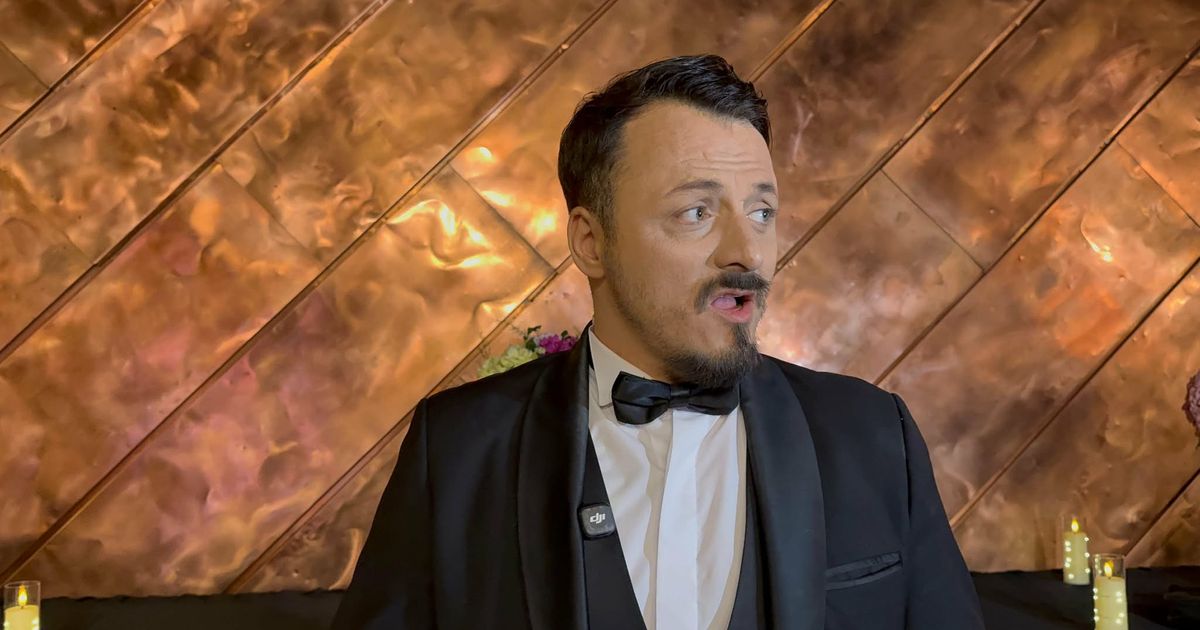
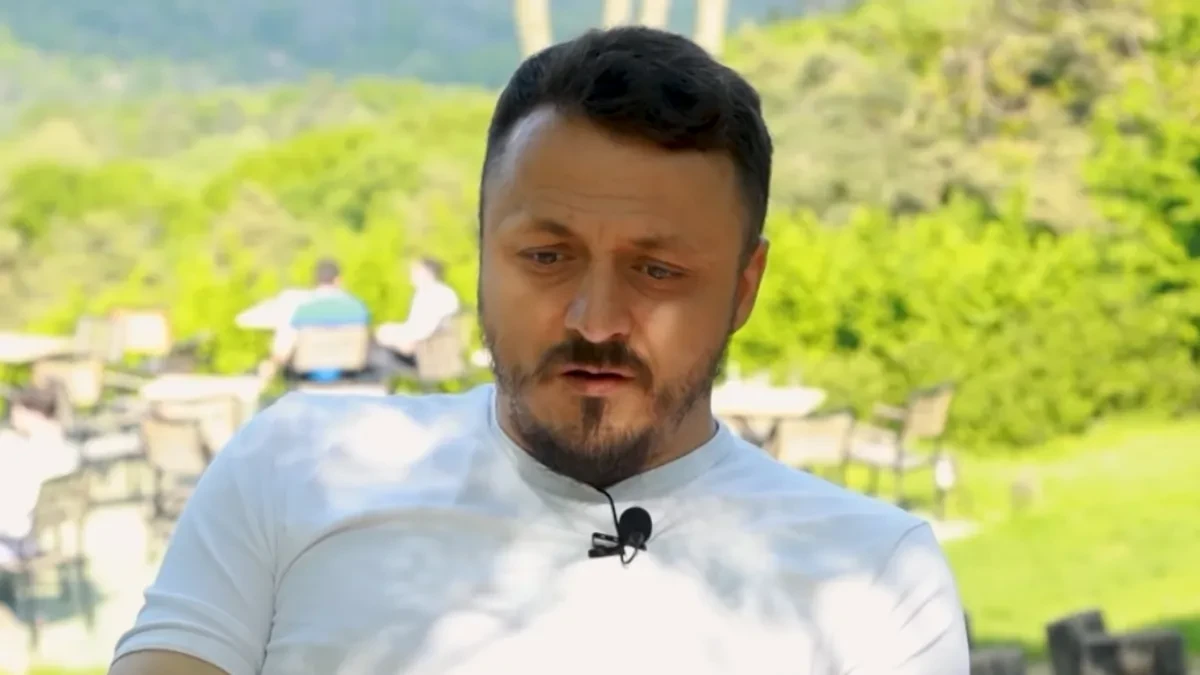
"I CONSCIOUSLY WITHDREW"! Danijel Kajmakoski SPEAKS FOR THE FIRST TIME ABOUT THE KIDNAPPING, has a strong message for the youth!
Photo: Tanjug/Jadranka Ilić, DIETER NAGL / AFP / Profimedia
6 days ago
Singer Daniel Kajmakoski, a Macedonian performer appearing at the long-running "Beogradsko proleće" (Belgrade Spring) festival in the MTS Hall, has recently spoken publicly for the first time about being the victim of a kidnapping. In his comments, he briefly confirms that the incident happened, describes it as a traumatic experience, and stresses that he has now moved past it, repeatedly insisting that his main pillars are his family and his music, and that he consciously withdrew from public life for a period to protect and prioritize his loved ones.
Across the available coverage, Kajmakoski is depicted as framing his reaction through identity, resilience, and values: he presents himself as strong as a Balkan and Macedonian, a devoted father, and an artist whose work continues despite the trauma. Stories highlight his respect for older musical legends performing alongside him at the festival and relay his message to young people that family is eternal while fame and other worldly things are fleeting, underscoring that maintaining a smile and inner stability is crucial in life and in artistic work.
Framing of the incident. Pro-government outlets portray the kidnapping primarily as a closed chapter in Kajmakoski’s life, mentioning it briefly and then emphasizing that he has moved on and is focused on family and music, which keeps the narrative calm and de-escalated. Opposition-aligned sources, by contrast, are more likely to highlight any remaining ambiguities, potential security failures, or unanswered questions around the incident, casting it as part of a broader climate of insecurity and institutional weakness.
Role of institutions and security. In pro-government coverage, state institutions and law enforcement are typically either absent from the narrative or implicitly assumed to have done their job, with attention diverted to Kajmakoski’s personal resilience and his appearance at a prestigious cultural event. Opposition media would more often question whether police and judicial bodies responded adequately, use the case to illustrate systemic problems in public safety, and suggest that official structures are either ineffective or politicized in handling such crimes.
Political and social context. Pro-government sources largely depoliticize the kidnapping, treating it as an unfortunate but isolated crime and quickly pivoting to the uplifting themes of tradition, family values, and respect for veteran artists at the festival. Opposition outlets, in contrast, tend to embed the story in a wider critique of governance, tying the kidnapping to narratives of rising crime, emigration pressures on young people, and a general erosion of trust in authorities and social stability.
Use of Kajmakoski’s message. Pro-government coverage amplifies Kajmakoski’s call for youth to focus on family and withdraw from superficial public exposure as a broadly moral, apolitical lesson that aligns with conservative social messaging. Opposition-aligned coverage is more likely to interpret the same remarks as a subtle commentary on a toxic public sphere, suggesting that people retreat to private life not just for values-based reasons but also out of disappointment, fatigue, or fear generated by current political and social conditions.
In summary, opposition coverage tends to treat Daniel Kajmakoski’s kidnapping as a symptom of deeper security and governance problems that demand scrutiny, while pro-government coverage tends to minimize controversy, foreground his personal strength and family values, and keep the episode detached from systemic political critique.