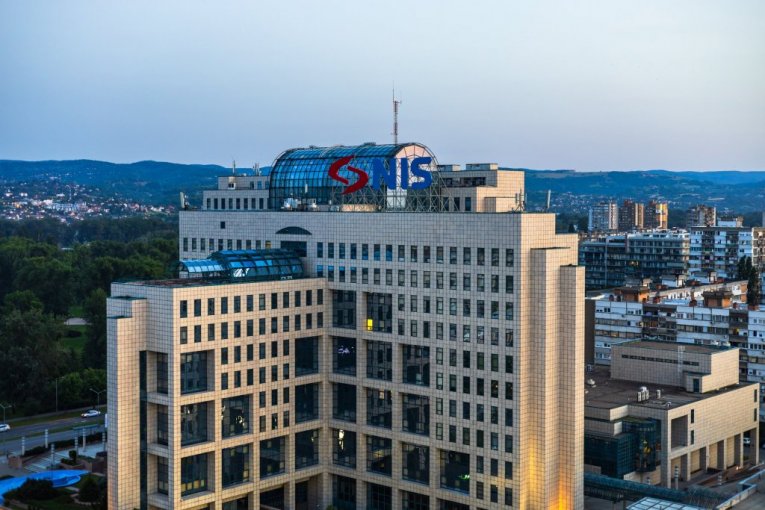
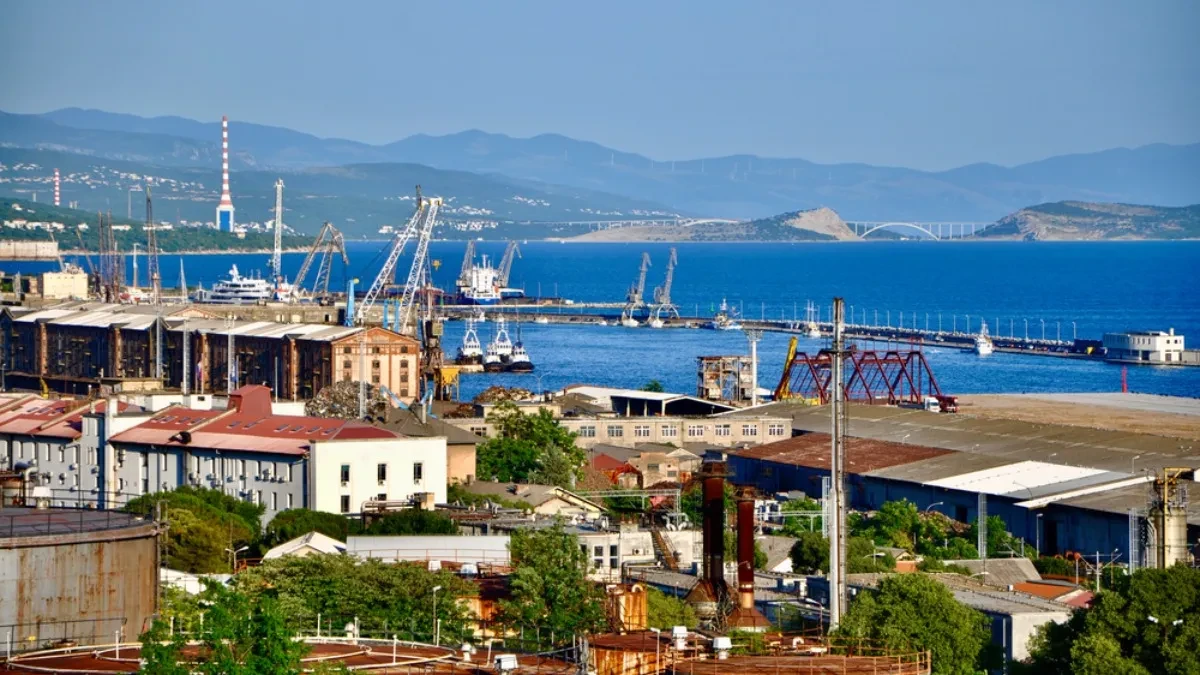
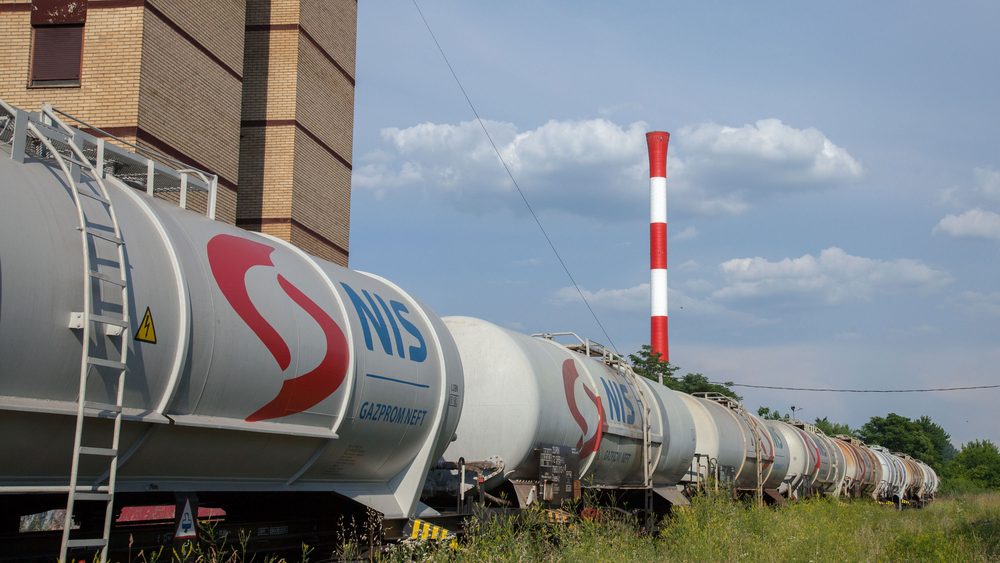
OFAC, the US Treasury’s sanctions authority, has extended the operating license for Serbia’s oil company NIS and related licenses for Croatian pipeline operator JANAF, with all outlets agreeing that the current authorization runs until 16 June and effectively adds about 60 days to NIS’s sanctioned operations. Both opposition and pro-government sources concur that the license permits NIS to continue core business activities such as refining, crude oil imports, and key financial transactions, and that JANAF can keep transporting oil for NIS under its contract during this period. They also agree that the extension is tied to ongoing negotiations for Hungarian company MOL to acquire the Russian-controlled majority stake in NIS from Gazprom Neft, and that OFAC approval is a necessary condition for finalizing any ownership change.
Across the spectrum, coverage notes that NIS has been under US sanctions because of its Russian ownership, with OFAC resorting to time-limited licenses to avoid sudden disruption of regional fuel supplies. Both sides describe the license as important for planning crude oil procurement and ensuring stable fuel availability in Serbia and parts of the region, and they highlight JANAF’s role as a critical transport route within the broader European energy system. They also agree that the Serbian government is involved in or closely monitoring the ownership restructuring, that a possible minority investor from the UAE has been discussed, and that long-term energy security, market stability, and compliance with Western sanctions rules are central to the ongoing process.
Areas of disagreement
Significance of the US decision. Opposition-aligned outlets frame the license as a temporary, technical waiver that underscores Serbia’s vulnerability to US sanctions leverage and the unresolved status of NIS’s Russian ownership, stressing the short 60-day horizon and the need to secure permanent solutions. Pro-government media, by contrast, present the same extension as a major diplomatic and economic success, emphasizing continuity until 16 June 2026 in some reports and portraying US decisions as recognition of Serbia’s responsible behavior. While opposition sources stress the stop‑gap nature and uncertainty, pro-government coverage foregrounds stability, reassurance to markets, and the notion that Serbia has gained time and space to complete a favorable ownership restructuring.
Portrayal of the government’s role. Opposition reporting casts the government mostly as a reactive actor forced to adapt to sanctions imposed because of earlier strategic choices that left NIS under Russian control, pointing to the need for OFAC and multiple Serbian authority approvals as evidence of diminished autonomy. Pro-government outlets highlight the cabinet’s priorities—energy security, job preservation, and a higher state stake in NIS—and present officials as proactive negotiators coordinating with MOL, Gazprom Neft, and potential UAE investors. Where opposition media suggest the government is cleaning up its own past mistakes under external pressure, pro-government sources argue it is skillfully navigating great-power politics to protect national interests.
Framing of ownership change and foreign partners. Opposition coverage treats the MOL–Gazprom Neft negotiations and possible UAE minority entry as complex, uncertain processes influenced by shifting politics in Hungary and wider geopolitical constraints, underlining that any deal hinges on OFAC and other regulators. Pro-government media stress that talks are progressing and imply that ownership restructuring will lead to the permanent removal of NIS from the US sanctions regime, often describing MOL and potential Gulf investors as strategic partners strengthening Serbia’s position. Thus, while opposition outlets underline risk, dependency, and conditionality, pro-government reports emphasize opportunity, diversification, and an improving international profile for NIS.
Impact on citizens and the energy market. Opposition-leaning sources acknowledge that the license extension helps avoid immediate supply shocks but warn that repeated short-term waivers keep the energy sector and prices exposed to external decisions, with planning horizons limited by OFAC’s timetable. Pro-government outlets stress that the extension guarantees stable supply, protects jobs, and supports broader regional energy security, downplaying volatility and presenting the arrangement as a safeguard for households and the economy. In opposition narratives, citizens face ongoing uncertainty tied to geopolitical risk, whereas pro-government narratives use the same facts to underscore continuity, reliability, and government stewardship.
In summary, opposition coverage tends to underscore the temporary, sanctions-driven nature of the license and Serbia’s dependence on US and foreign corporate decisions, while pro-government coverage tends to present the extension as a strategic success that secures stability, confirms Serbia’s reliability, and paves the way for a positive restructuring of NIS’s ownership.