
pro-government
Here's who among the famous attended Lepa Lukić's concert! The singer speaks sharply about her colleagues
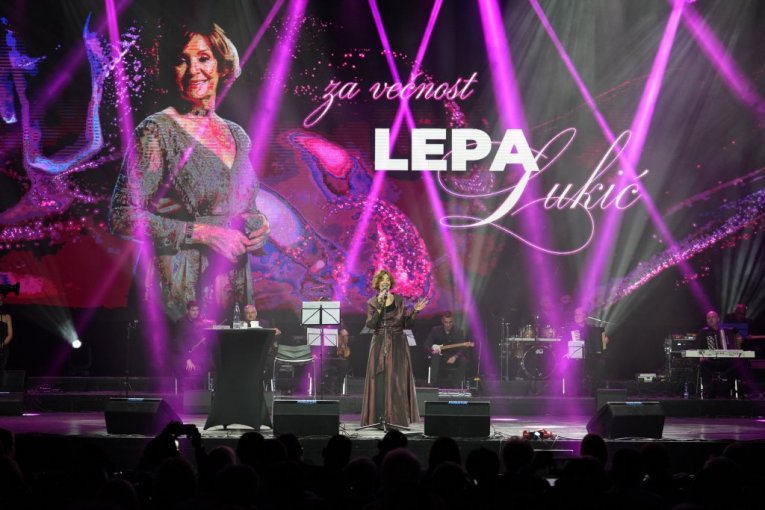
Music diva Lepa Lukić is organizing a solo concert at Sava Centar tonight.
14 days ago
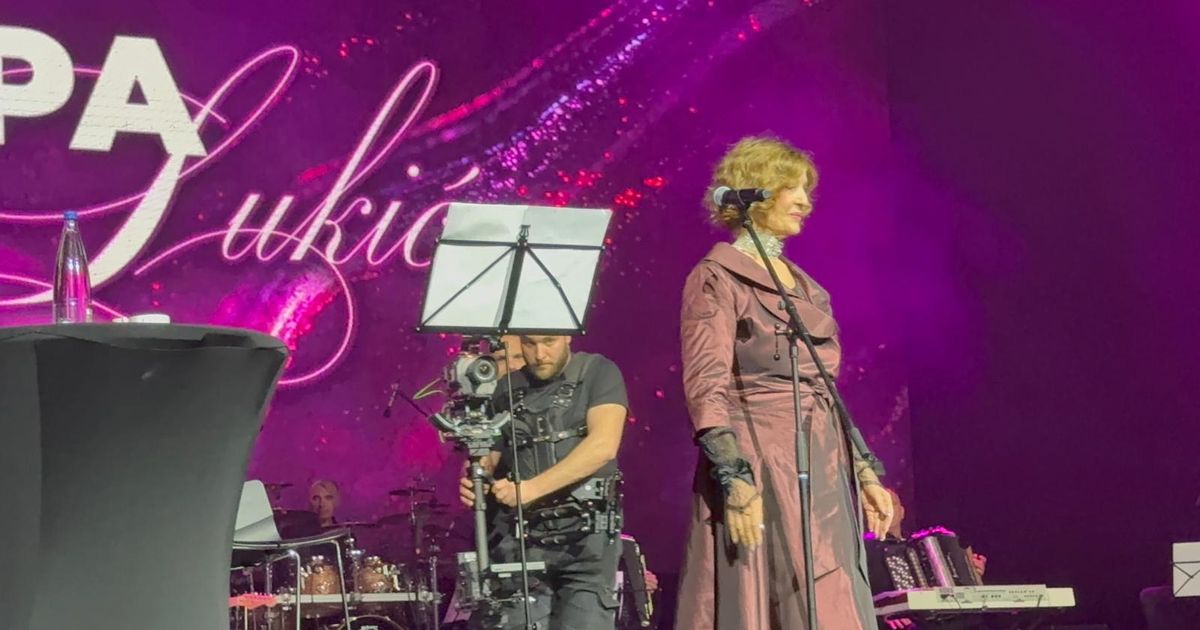
Lepa Lukić, a long-standing star of Serbian folk music, held a solo concert at Belgrade’s Sava Center, framed in coverage on both sides as a major career milestone. Both opposition and pro-government outlets agree that she appeared in a striking stage outfit designed and styled by Boki 13, widely cited as being worth around 10,000 euros, and that she opened the evening with an a cappella rendition of a song dedicated to her native village Miločaj. Reports consistently highlight that this was presented as a special, possibly farewell‑themed concert drawing many famous guests, and that Lukić spoke directly to the audience about her decades‑long career and the emotional weight of the occasion.
Across the spectrum, media emphasize Lukić’s roughly 60 years of professional activity, portraying her as a revered “music diva” and a living symbol of an older era of folk music that still commands loyalty from audiences. Outlets of all types stress her gratitude to fans for sustaining her through six decades on stage, quoting her remarks about intending to perform for as long as her health allows rather than treating this as a definitive farewell. They also converge on depictions of Sava Center as a prestigious venue whose reconstruction has restored it to prominence, situating the concert within broader narratives about preserving cultural heritage, celebrating veteran performers, and bridging generational gaps in Serbia’s popular music scene.
Framing of the event’s cultural significance. Opposition-aligned sources tend to present the concert primarily as a personal and cultural milestone for Lepa Lukić and her audience, emphasizing nostalgia, continuity of folk tradition, and the emotional bond with long‑time fans, while downplaying any institutional symbolism. Pro-government outlets, by contrast, more often fold the evening into a success story about contemporary Belgrade and the restored Sava Center, implying that such high-profile concerts demonstrate the vitality of national culture under current governance. While opposition coverage treats the venue as a backdrop to an artist-centered narrative, pro-government reports use the same facts to underscore state-supported cultural infrastructure and its ability to host glamorous, star‑studded events.
Focus on glamour versus artistry. Opposition media are more inclined to stress Lukić’s vocal performance, song choices, and rapport with the audience, framing the expensive wardrobe and celebrity attendance as secondary details or even as a distraction from her artistic legacy. Pro-government outlets give extensive attention to the 10,000‑euro outfit designed by Boki 13 and to the presence of well-known guests, using fashion, luxury, and showbiz elements to construct a celebratory spectacle. Thus, while both sides mention the same sartorial and celebrity details, opposition narratives describe them as embellishments to a long career, whereas pro-government narratives foreground them as key markers of the event’s importance.
Interpretation of the ‘farewell’ narrative. Opposition-aligned coverage is more likely to treat references to a “farewell concert” cautiously, portraying them as media framing or as an unresolved question about aging artists and their place in the current music industry. Pro-government reports tend to highlight Lukić’s own humorous insistence that she will not truly retire and will sing “as long as she is alive,” presenting this as an uplifting message about vitality and resilience, and as evidence that the system still makes room for veteran performers. In doing so, opposition sources can hint at structural challenges for older folk stars, whereas pro-government pieces frame the same remarks as proof that the environment remains welcoming and supportive.
Role of colleagues and the music scene. Opposition outlets are more prone to interpret her pointed comments about not sending invitations to colleagues, and her teasing about possible male or female special guests, as subtle criticism of cliques, rivalries, or lack of solidarity in today’s entertainment world. Pro-government coverage relays the same remarks more playfully, focusing on the light-hearted tone and the fun speculation about surprise appearances rather than any underlying tensions, thereby preserving an image of a harmonious, glamorous scene. For opposition media, these comments can serve as an entry point to question the state of contemporary folk music and industry politics, while pro-government media use them to add color and intrigue without challenging the status quo.
In summary, opposition coverage tends to treat Lepa Lukić’s Sava Center concert as a culturally important but artist-centered and sometimes ambivalently framed event that hints at broader industry and societal issues, while pro-government coverage tends to fold the same concert into a triumphant narrative of national culture, institutional success, glamour, and optimistic continuity.