

pro-government
Partizan's Triumphant Farewell: Black and Whites Play a Perfect Game Against Baskonia and Lower the Curtain on the Euroleague for This Year
Black and Whites celebrated against Baskonia
3 days ago
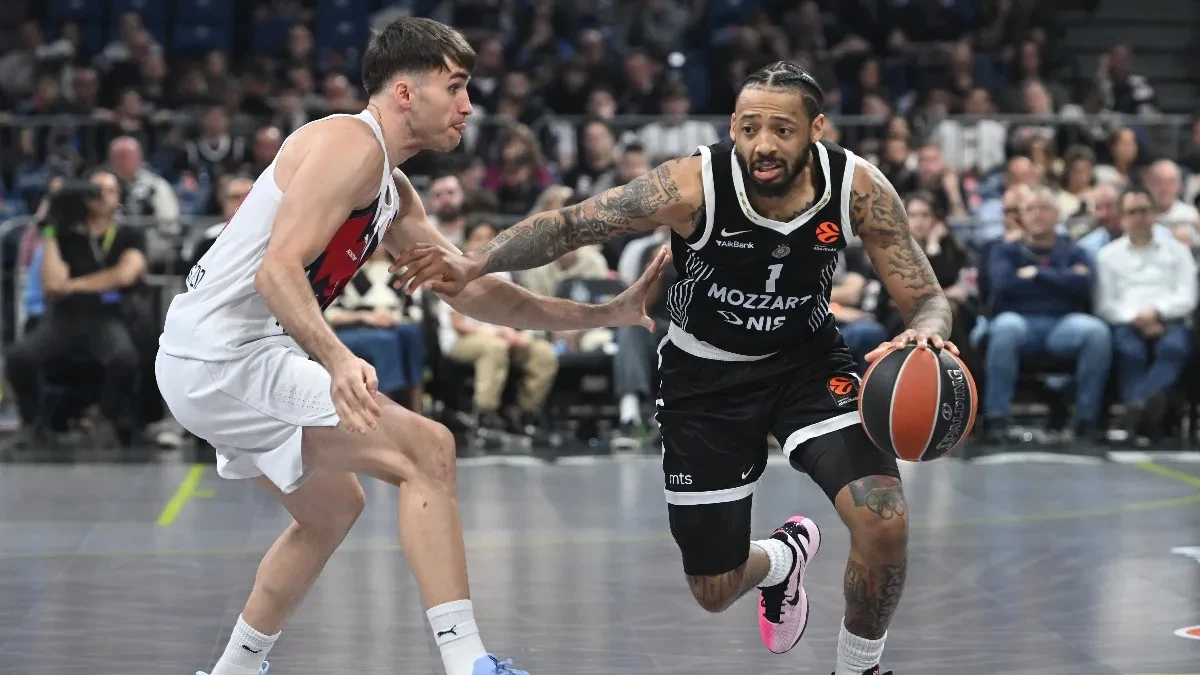
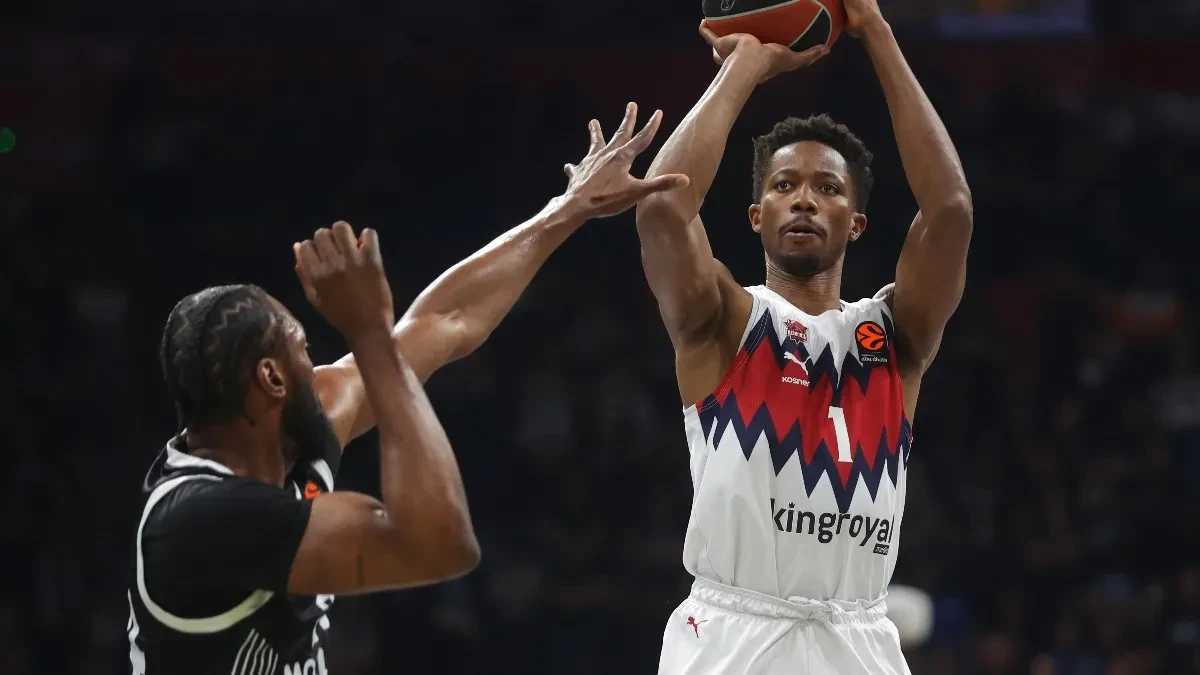
Partizan Belgrade defeated Baskonia in their final EuroLeague game of the season, played in the Belgrade Arena, closing the regular season with a 91:79 win and an overall 16-22 record. Reporting from both opposition and pro-government-leaning sports outlets agrees that Partizan controlled the match for most of the 40 minutes, kept Baskonia at arm’s length, and used a broader rotation as coach Joan Penarroya spread minutes across the roster. Coverage converges on the significance of strong individual performances on both sides, and on the fact that, despite this victory, Partizan’s EuroLeague campaign ended without a playoff berth.
Across the spectrum, media note that the game doubled as a ceremonial moment: Partizan marked roughly half a century since its first major title, with a special break in the first quarter dedicated to honoring members of the 1975/76 championship team. Reports highlight the emotional return of club legends, including the particularly warm reception for Josip Farčić, who shot commemorative free throws as part of the jubilee program. Both sides also stress the importance of fan support in the Arena, and agree that the team’s immediate competitive focus now pivots to domestic and regional competitions such as the ABA League, viewed as the remaining route to salvage the season.
Significance of the win. Opposition-aligned outlets tend to frame the Baskonia game as a consolation victory that cannot mask a fundamentally disappointing EuroLeague season and missed strategic objectives. Pro-government outlets, by contrast, cast the result as a “triumphant farewell,” emphasizing the quality of play, the convincing nature of the win, and the positive momentum it supposedly generates. While opposition coverage focuses on the structural failure to reach the playoffs, pro-government narratives prioritize the feel-good factor of ending on a high note and the symbolism of a dignified exit.
Assessment of the season. Opposition sources generally treat the 16-22 record as hard evidence of underperformance relative to the club’s budget, ambitions, and fan expectations, frequently invoking comparisons with previous seasons or rival clubs. Pro-government media, however, soften that verdict by contextualizing the record with references to injuries, roster changes, and the overall competitiveness of the EuroLeague field. Where opposition outlets use the season-end to question planning and sporting management, pro-government pieces tend to highlight individual growth, “valuable experience,” and the idea that the groundwork has been laid for a stronger return.
Framing of responsibility and future. Opposition-aligned reporting usually points to coaching decisions, roster construction, and, indirectly, the broader management culture as key reasons for the poor EuroLeague outcome, often hinting that club leadership must answer tough questions. Pro-government coverage distributes responsibility more diffusely, stressing external factors such as scheduling, tough draws, and bad luck in close games, and quickly pivots to optimistic messaging about next year. In this narrative, quotes like Kevin Jones’s eagerness for the next season and players’ focus on the ABA League are foregrounded as proof that the project is on the right track rather than in need of deep reform.
Political and symbolic undertones. Opposition sources are more likely to situate Partizan’s EuroLeague exit within a broader pattern of what they portray as systemic sporting stagnation under current national leadership, using the club’s struggles as a metaphor for governance issues and misaligned priorities. Pro-government outlets keep the political dimension nearly invisible, instead employing the anniversary ceremony and the presence of club legends to underscore tradition, continuity, and national pride. Where opposition coverage may question whether political influence and patronage hinder long-term planning, pro-government media lean into the celebratory imagery of a storied institution honoring its past and confidently looking ahead.
In summary, opposition coverage tends to treat the win over Baskonia as a cosmetic flourish over a failed EuroLeague campaign that raises uncomfortable questions for club and broader sporting leadership, while pro-government coverage tends to spotlight the emotional farewell, historical jubilee, and optimistic signals about next season as evidence that Partizan remains on a positive, stable trajectory.