


pro-government
Details of the ceasefire agreement between Israel and Lebanon revealed
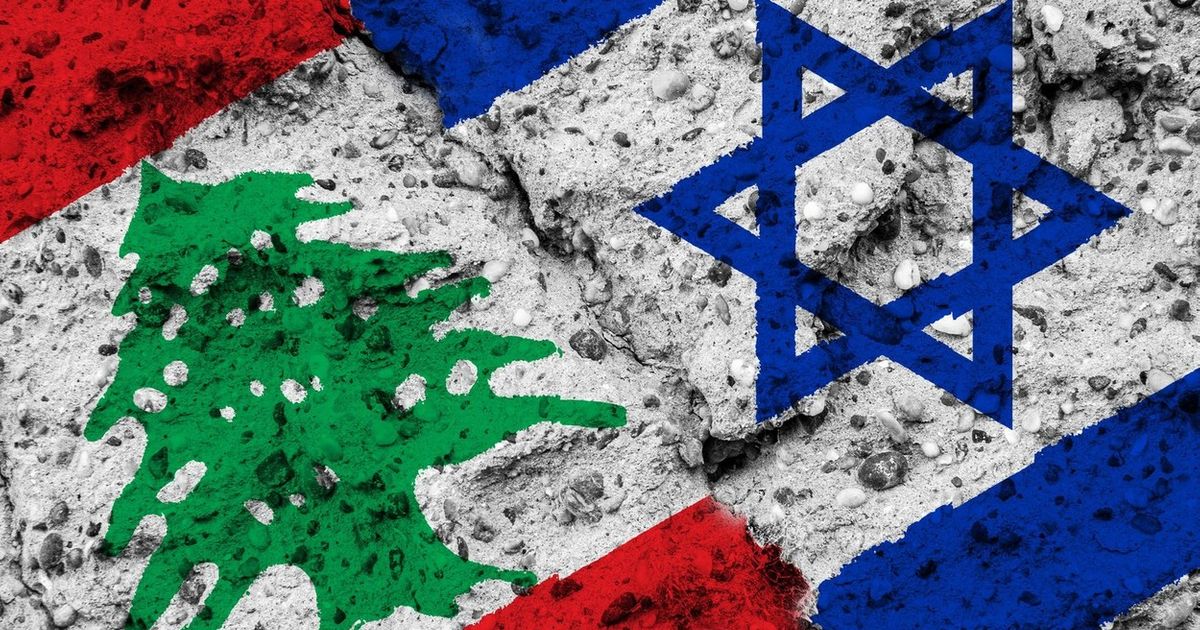
The US has revealed details of the ceasefire agreement between Israel and Lebanon. The ceasefire goes into effect tonight and should last for ten days.
3 days ago
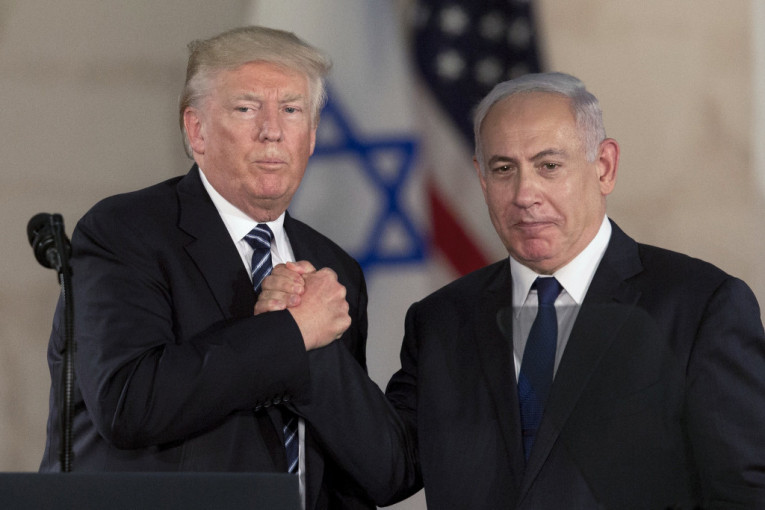
A ten-day ceasefire between Israel and Lebanon, brokered by the United States and announced by President Donald Trump, is reported by both opposition and pro-government outlets as taking effect on or around April 16 and “starting tonight” from Washington’s perspective. Both sides agree that the truce covers hostilities across the Lebanon-Israel front, is formally limited to ten days but can be extended, and was reached after US-facilitated talks that included representatives of the two countries in Washington. They also concur that Israel retains an explicit right of self-defense against planned, imminent, or ongoing attacks, that Israeli forces will halt offensive operations against Lebanese targets in principle, and that the arrangement is closely tied to the conflict involving Hezbollah, described as an Iran-backed militant group in Lebanon. Both types of outlets cite Trump framing the ceasefire as part of his broader peacemaking record, mention Netanyahu’s role in accepting the deal without a formal cabinet vote, and note that Lebanese officials have ruled out any near-term direct conversation between President Joseph Aoun and Prime Minister Benjamin Netanyahu.
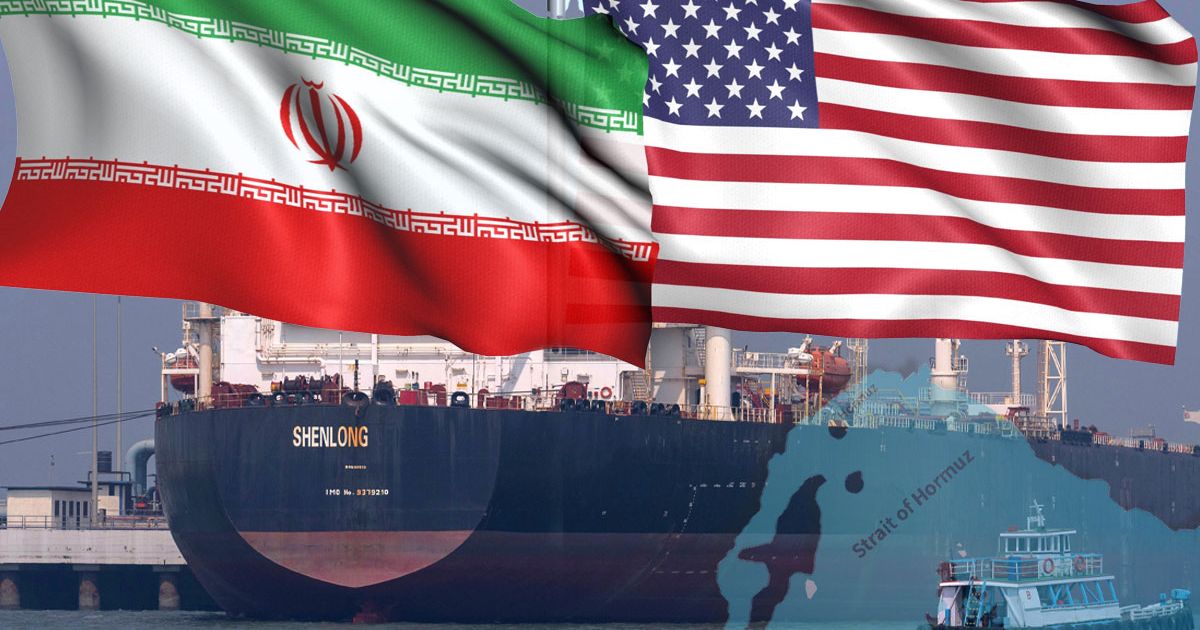
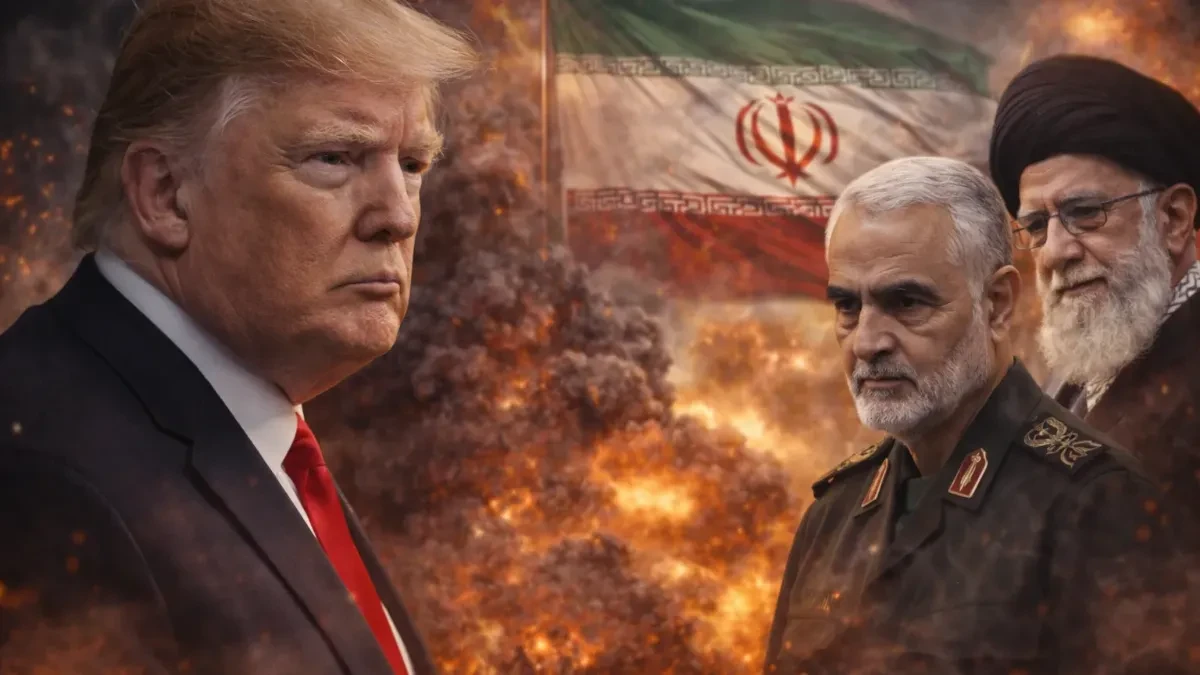
Both opposition and pro-government coverage connect the ceasefire to a broader regional confrontation involving the United States, Israel, Iran, and Hezbollah, and acknowledge Pakistan’s mediation role or related diplomatic channel in some aspect of US-Iran or Lebanon-related talks. They describe the truce as emerging amid an extended conflict, with pro-government sources specifying that the broader Middle East fighting has been ongoing for 47 days, and agree that the ceasefire sits within a broader US attempt to manage parallel tracks with Iran and NATO while stabilizing Lebanon’s border. Both perspectives reference institutional involvement by the US State Department and Congress, including the US House of Representatives’ vote supporting Trump’s military campaign against Iran, and recognize that the ceasefire is fragile, with its extension and durability linked to ongoing negotiations and compliance by armed actors on the ground. There is shared recognition that Hezbollah’s position is central to the agreement’s success, even as both sides acknowledge reports that Hezbollah did not directly participate in the ceasefire negotiations, and that the Lebanese presidency and diplomatic missions are carefully managing their distance from overt normalization with Israel.
Nature and effectiveness of the ceasefire. Opposition sources portray the agreement as largely “on paper,” emphasizing reported violations such as an ambulance being hit and highlighting Israel’s continued maintenance of a security zone and troop presence in southern Lebanon as evidence that hostilities and occupation-like conditions persist. Pro-government outlets, by contrast, stress the formal terms that Israel will refrain from offensive operations against Lebanese targets, describe the ceasefire as a significant de-escalation milestone, and highlight the possibility of extension if talks progress. While opposition coverage questions whether the truce has any real restraining effect on Israeli actions, pro-government reporting presents it as an operative, structured pause in fighting that could lead to more durable calm.
Responsibility and blame. Opposition-aligned media underscore Israel’s role in violating or undermining the ceasefire, focusing on incidents of continued strikes and presenting US statements about Israel’s right to self-defense as a political cover for Tel Aviv’s actions. They also criticize the fact that Hezbollah was not included in negotiations, framing this as a structural flaw that shifts pressure onto the Lebanese state without addressing the main military actor on the Lebanese side. Pro-government outlets, meanwhile, frame the ceasefire terms as balanced and lawful, stressing that Israel is only authorized to respond to imminent or ongoing attacks and that Hezbollah’s activities, as an Iran-backed group, are the primary trigger for Israeli defensive measures. In their coverage, any residual violence is contextualized as responses to threats rather than as violations attributed to Israeli policy.
Role and portrayal of the United States. Opposition sources treat the US primarily as a self-interested broker whose State Department and president articulate Israel’s right to defend itself while tolerating on-the-ground breaches of the truce, casting doubt on Washington’s neutrality. They highlight that US political institutions, including Congress, are simultaneously backing Trump’s military campaign against Iran, which they link to the instability in Lebanon, and frame Trump’s optimism and talk of broader deals with Iran as speculative or self-promotional. Pro-government outlets, in contrast, present the US—especially Trump—as the decisive mediator who persuaded Netanyahu to accept a halt to targeting Lebanon and who is energetically pursuing a wider US-Iran understanding, sometimes even describing the Lebanon ceasefire as part of a broader US-Iran ceasefire framework. In this telling, Pakistani-facilitated diplomacy and Trump’s personal involvement are proof of constructive American leadership rather than evidence of partiality.
Regional framing and political implications. Opposition coverage situates the ceasefire within a narrative of ongoing Israeli aggression and a broader US-Israel confrontation with Iran spilling into Lebanon, emphasizing that Lebanese officials are resisting moves that might signal normalization, such as a direct Aoun-Netanyahu call. They stress Hezbollah’s exclusion from negotiations as a sign that the deal is externally imposed and potentially destabilizing domestically, and they regard Trump’s talk of future Iran agreements as a political show detached from Lebanese realities. Pro-government sources, however, cast the ceasefire as one component of a regional de-escalation process that includes Iran’s own endorsement of the truce and is framed by Tehran as part of a larger arrangement with the US, facilitated by Pakistan. They tend to highlight diplomatic gestures, Iran’s welcoming statements, and Trump’s claims of resolving multiple conflicts as indicators that the Lebanon ceasefire could be a gateway to wider stabilization rather than just another front in a proxy war.
In summary, opposition coverage tends to depict the ceasefire as fragile, asymmetric, and largely symbolic—constrained by Israeli actions, US partiality, and the exclusion of Hezbollah—while pro-government coverage tends to present it as a meaningful US-brokered step toward de-escalation that balances Israel’s security needs with a halt to offensive operations and may feed into broader regional peace efforts.