
pro-government
DOK GA JE MUČIO, NOSIO JE MASKU BETMENA! Bizarni detalji stravičnog ubistva sina estradnog menadžera
Полиция продолжает работу над этим делом, чтобы установить все обстоятельства и мотивы преступления.
5 days ago
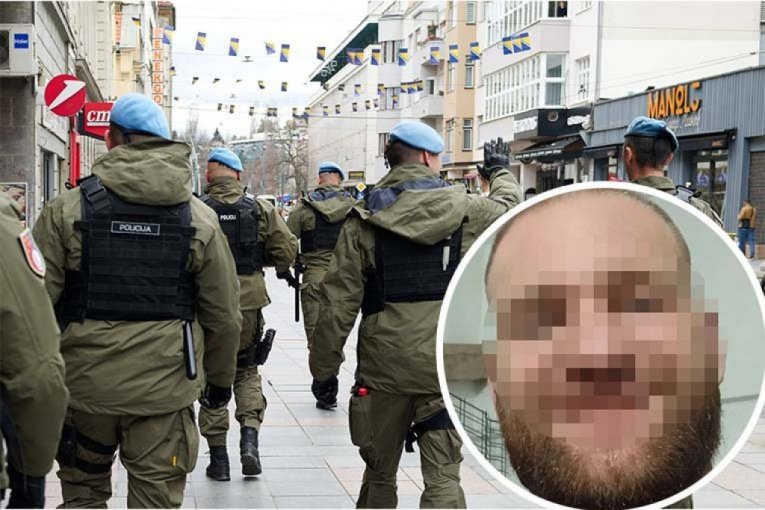
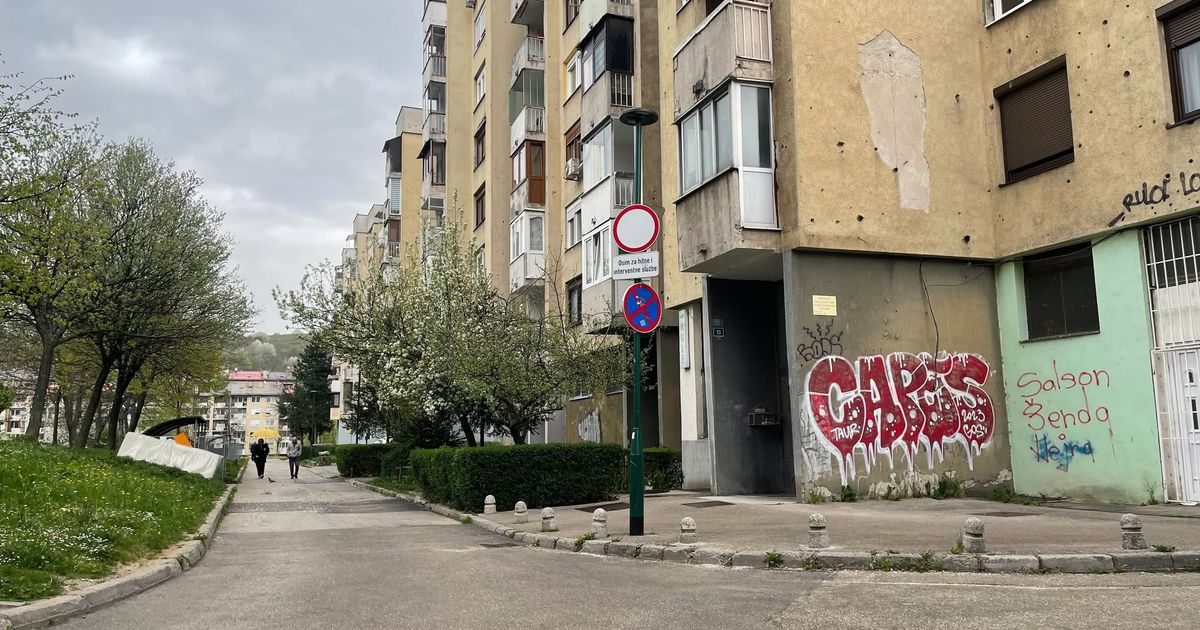
Adnan Metanović, a 35‑year‑old man and son of a well‑known entertainment manager, was found dead below a residential building in Sarajevo after initially being treated as a possible suicide. Both opposition and pro‑government sources agree that three young men, most often identified as Nikola P., Dino Ć., and Armin Š., were arrested and are suspected of brutally beating Metanović for hours in an apartment before he was thrown or fell from a sixth‑floor balcony or terrace. Coverage on both sides notes that the Cantonal Prosecution in Sarajevo requested pre‑trial detention, that the suspects admit to violent behavior and drug use but deny murder, and that investigators now treat the case as a violent homicide rather than self‑harm. Reports also converge on disturbing details: prolonged abuse, filming of parts of the violence, the use of a Batman mask by at least one suspect, and efforts by the group to portray the death as a suicide.
Across both opposition and pro‑government outlets, the case is framed as a shocking example of extreme urban violence that has resonated nationally because of the victim’s public‑facing family background and the cruelty involved. They describe the institutional response in similar terms: Sarajevo police quickly reclassified the case once forensic indicators contradicted the suicide scenario, prosecutors moved to secure custody and preserve evidence, and the court scheduled and held detention hearings. Both sides situate the murder within wider concerns over youth violence, drug use, nightlife culture, and the limits of existing criminal‑justice tools, including questions about how effectively authorities monitor repeat offenders and high‑risk social environments. There is shared emphasis that the investigation is ongoing, that formal indictments and trial phases will follow, and that the public is demanding clarity and accountability from law enforcement, the prosecution, and the courts.
Responsibility and blame. Opposition‑aligned media tend to distribute responsibility beyond the three suspects to systemic failures, portraying the murder as an indictment of policing, prosecution, and political leadership that allegedly tolerate rising violence and drug markets. Pro‑government outlets, while describing the brutality in detail, typically focus blame squarely on the accused individuals and their personal choices, emphasizing that state bodies reacted properly once new evidence emerged. The former more often raise questions about who enabled the environment in which such a crime occurred, while the latter underline that the crime is exceptional rather than symptomatic of structural collapse.
Institutional performance. Opposition sources characterize the initial handling of the case as a serious professional lapse, stressing that authorities first accepted the suicide narrative and implying incompetence or political complacency in law enforcement. Pro‑government coverage highlights the speed with which the classification shifted to murder once forensic contradictions appeared, framing this as proof that institutions are capable and responsive under current leadership. Opposition reporting is more likely to link this case to earlier unsolved or mishandled crimes, while pro‑government media isolate it as a single investigation that is now moving correctly through prosecutorial and judicial channels.
Political framing and social diagnosis. Opposition outlets often insert the case into a broader critique of governance, arguing that youth despair, drug proliferation, and weak social policy under the ruling structures have produced a volatile mix that makes such crimes more likely. Pro‑government coverage, although acknowledging drug use and youth problems, tends to treat them as general societal issues not uniquely tied to current officeholders or one party’s rule. While opposition narratives lean on the murder as symbolic of a decaying social fabric under entrenched elites, pro‑government narratives present it as a horrific but isolated criminal act occurring despite, not because of, existing policies.
Media tone and focus. Opposition‑aligned reporting typically blends human‑interest elements with investigative angles, pressing for deeper scrutiny of prior police knowledge of the suspects, possible criminal histories, and any connections to politically protected circles. Pro‑government outlets devote more space to sensational factual details of the torture, the Batman mask, and courtroom testimony, foregrounding the drama of the case rather than systemic implications. The former more frequently quote critical lawyers, activists, or opposition politicians, while the latter rely on official police and prosecutorial statements to underscore a message of institutional control.
In summary, opposition coverage tends to frame the murder as proof of systemic decay and institutional failure that implicates the current political order, while pro-government coverage tends to focus on the brutality of the individual perpetrators and present the state’s response as evidence that existing institutions are functioning and in control.