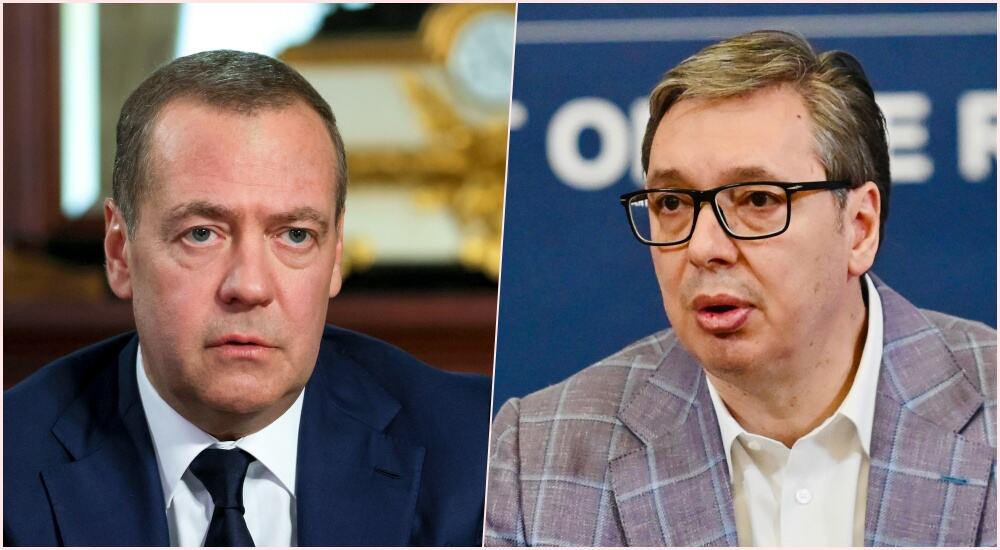
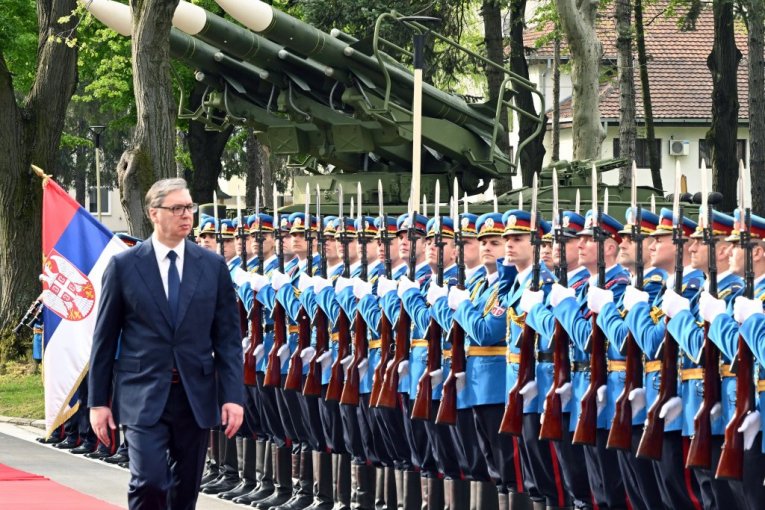
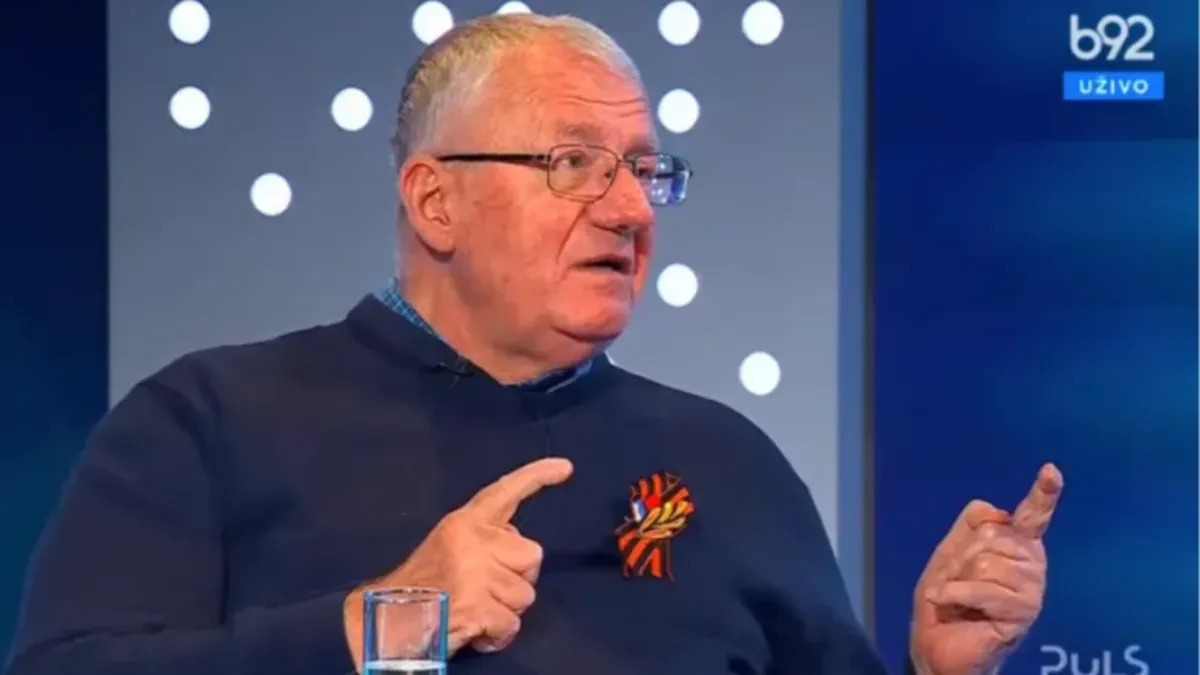
Russian officials, including former president Dmitry Medvedev and the Ministry of Defense, have publicly stated that drone production facilities in Europe supplying Ukraine are considered legitimate military targets for Russia. Reports agree that these statements come amid plans or ongoing efforts by various European countries to ramp up drone manufacturing and deliveries to Ukraine, with Russian warnings framed as a response to what Moscow views as deeper European involvement in the conflict. Coverage converges on the idea that Russia is singling out factories and companies involved in producing drones and drone components for Ukraine across several European states, and that these declarations are being interpreted as a threat of possible future strikes on such sites. Outlets also consistently note the timing of these remarks, highlighting heightened tensions tied to the war in Ukraine and broader NATO-Russia confrontation.
Across outlets, there is shared recognition that the Russian Ministry of Defense is portraying European support for Ukraine as transforming those states into a strategic rear for Kyiv, potentially making their infrastructure part of the conflict. Both sides describe Russia’s statements as part of an evolving pattern in which arms production sites and supply chains are increasingly treated as fair game in modern warfare, especially in proxy-style confrontations. There is agreement that the rhetoric taps into public fears of wider escalation, up to and including references to a possible world war, and that it is being used to influence both European policymakers and domestic audiences in Russia and neighboring countries. Media from all sides acknowledge that the situation reflects deeper structural tensions between Russia and NATO countries over security arrangements in Europe and the extent of Western military support for Ukraine.
Areas of disagreement
Severity and meaning of the threat. Opposition-aligned sources tend to depict Russia’s designation of European drone factories as legitimate targets as a dangerous escalation and potential prelude to direct strikes on NATO territory, emphasizing the risk of miscalculation and rapid spiral toward a broader war. Pro-government outlets instead present the statements as a logical and almost routine military pronouncement, stressing that any country producing weapons for a belligerent must expect to be treated as part of the battlefield. While opposition coverage underscores alarmist implications and questions Russia’s restraint, pro-government coverage highlights the conditional nature of the threat, portraying it more as deterrent signaling than immediate war planning.
Framing of responsibility. Opposition sources typically frame Russia as the primary escalator, arguing that threatening to hit factories deep inside Europe violates norms and shifts the conflict beyond Ukraine, thereby increasing insecurity for civilians. Pro-government outlets invert this, assigning blame to European leaders and NATO, asserting that expanded arms production for Ukraine forces Russia to respond in kind and that Western governments are consciously dragging their populations into danger. Where opposition narratives stress the aggressiveness of Russian rhetoric and its destabilizing effect, pro-government narratives stress Western culpability and portray Moscow’s stance as reactive self-defense.
Interpretation of geopolitical stakes. Opposition coverage generally interprets references to a looming world war as reckless brinkmanship or propaganda designed to intimidate European publics and fracture support for Ukraine. Pro-government outlets, by contrast, lean into the idea that the conflict is already a proxy world war initiated by NATO, suggesting that only European de-escalation on arms production can avert a larger catastrophe. Opposition voices often question the credibility of doomsday language and warn against normalizing it, while pro-government voices treat such rhetoric as a realistic description of how close the current trajectory is to global conflict.
Portrayal of European publics and leaders. Opposition media usually depict European societies as victims of Russian intimidation who nonetheless retain agency to support Ukraine and strengthen deterrence, and they often criticize both the Kremlin and local pro-Russian figures for stoking fear. Pro-government media portray European publics as misled by their own elites and inadequately informed about the risks posed by hosting drone production, stressing Russian warnings as a kind of candid disclosure that citizens should "know where these factories are." While opposition narratives emphasize solidarity with Ukraine and resilience against threats, pro-government narratives emphasize European vulnerability, elite irresponsibility, and the prudence of heeding Russian cautions.
In summary, opposition coverage tends to emphasize Russian responsibility for escalation, the illegitimacy and danger of threatening European industrial sites, and the need to maintain support for Ukraine despite intimidation, while pro-government coverage tends to frame Russia’s stance as a justified response to NATO-backed arms production, stress Western culpability for pushing Europe toward war, and use the threat narrative to argue for reduced military support to Kyiv.