

pro-government
RUSSIA DEFENDS ALLY: We don't want to see an invasion, blockade, or any other pressure on Cuba!
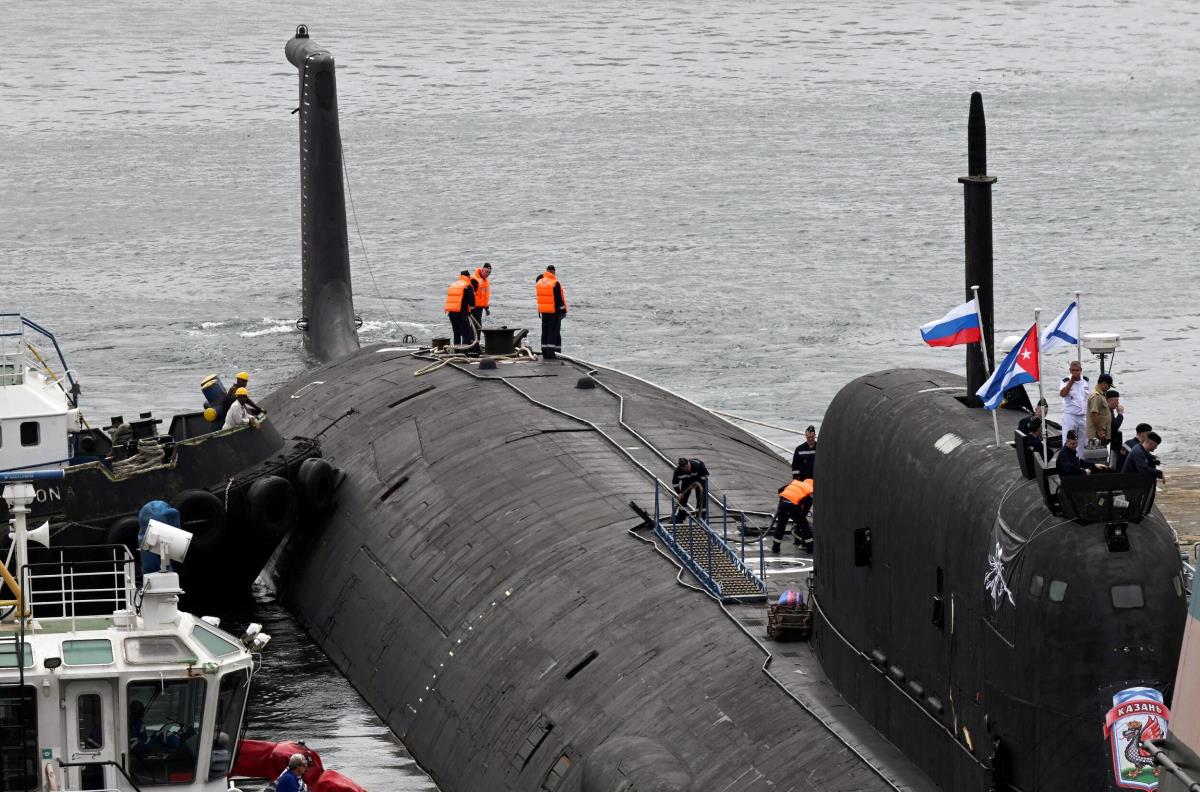
Russia does not want to see an invasion, blockade, or any other pressure on Cuba, Kremlin spokesman Dmitry Peskov said today.
3 days ago
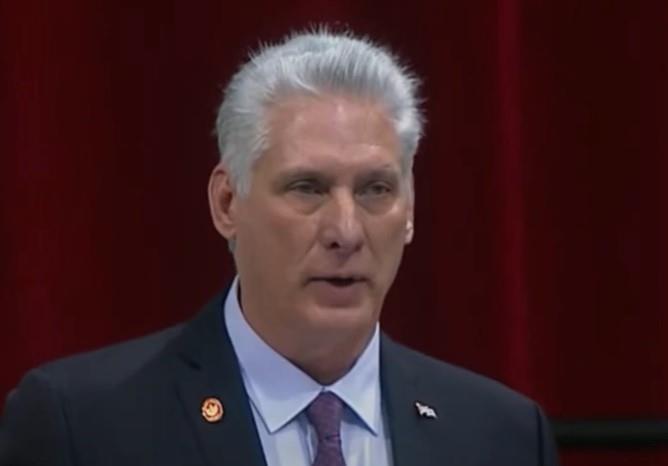
US and Cuban officials, along with Russian representatives, are referenced across coverage as tensions rise over what is described as a confirmed Pentagon plan or set of preparations for potential military action against Cuba. Pro-government outlets report that the US Department of Defense has acknowledged planning a series of actions and being ready to execute orders from President Trump, in a context of earlier US oil supply cuts and suggestive remarks about taking over Cuba. They note firm statements from Cuban President Miguel Díaz-Canel, who insists there is no legal or political justification for US aggression or attempts to overthrow his government, and reiterates that Cuba will defend its territory "even to the death" if attacked. Russia is consistently portrayed as publicly backing Cuba, with Kremlin statements emphasizing that it does not want an invasion, blockade, or other forms of pressure on what it calls a long-time partner and friend.
Shared context across accounts centers on the historically fraught US–Cuba relationship, Cuba’s economic and energy difficulties, and Russia’s longstanding alliance with Havana dating back to the Cold War. Both sides recognize that Cuba is under significant economic strain, with US restrictions on energy supplies and broader sanctions featuring as a structural factor in the crisis, while Havana marks the 65th anniversary of the revolution and highlights its socialist achievements. There is also acknowledgment that some form of negotiations between Washington and Havana is taking place, even as details remain opaque and the rhetoric on all sides grows sharper. The role of international norms about sovereignty and non-intervention, as well as the legacy of past US interventions in the region, is invoked as the broader backdrop for assessing any potential operation against Cuba.
Nature and scale of the US plan. Opposition-aligned sources are likely to frame the Pentagon’s "plan for Cuba" as either exaggerated, conditional, or part of routine contingency planning that falls short of an imminent invasion, stressing the lack of public evidence for a near-term attack. Pro-government outlets, by contrast, present the Pentagon as actively accelerating preparations for a possible military operation and "ready" to carry out Trump’s orders, implying a high probability of aggressive action. While opposition coverage would tend to parse official US statements cautiously and emphasize uncertainty and bureaucratic checks, pro-government coverage treats them as a clear signal of hostile intent and imminent danger.
Responsibility and blame. Opposition coverage would typically distribute responsibility more broadly, pointing to Cuba’s internal economic mismanagement, political repression, and systemic inefficiencies as central causes of the current crisis, even while acknowledging the impact of sanctions. Pro-government reporting instead places almost exclusive blame on Washington, describing Cuba as a "country under siege" facing multidimensional aggression, and explicitly rejecting the label of a failed state. Where opposition narratives might criticize both the Trump administration’s pressure tactics and Havana’s refusal to reform, pro-government narratives defend the Cuban leadership and attribute hardship primarily to external hostility, especially US oil and energy restrictions.
Characterization of Cuba and its leadership. Opposition-aligned outlets are inclined to depict the Díaz-Canel government as authoritarian, fragile, and increasingly disconnected from public needs, often framing its survival as dependent on repression and foreign backing rather than popular support. Pro-government media present Díaz-Canel as a legitimate, embattled leader who speaks for a resilient people ready to "fight and die" for their homeland, emphasizing the revolution’s achievements and the continuity of socialist ideals. While opposition sources would read such rhetoric as propaganda masking domestic discontent, pro-government sources elevate it as evidence of national unity and resolve in the face of US threats.
Role of Russia and international reaction. Opposition coverage is likely to cast Russia’s statements as opportunistic, using Cuba to challenge US influence and score geopolitical points without committing to real military risk, and may warn that Moscow’s involvement could further escalate tensions. Pro-government outlets instead highlight Russia as a steadfast ally that publicly opposes any invasion, blockade, or pressure on Cuba and signals that "if it happens, there will be a fight," portraying this as a meaningful deterrent to US aggression. Where opposition narratives might stress the dangers of renewed great-power confrontation in the Caribbean and question Havana’s reliance on Moscow, pro-government narratives frame Russian backing as a stabilizing factor and a necessary counterweight to US power.
In summary, opposition coverage tends to question the imminence and wisdom of US military action while highlighting Cuba’s internal failings and Russia’s opportunism, while pro-government coverage tends to depict a near-term US threat, emphasize Cuban resilience and legitimacy, and present Russian support as principled and protective.
pro-government
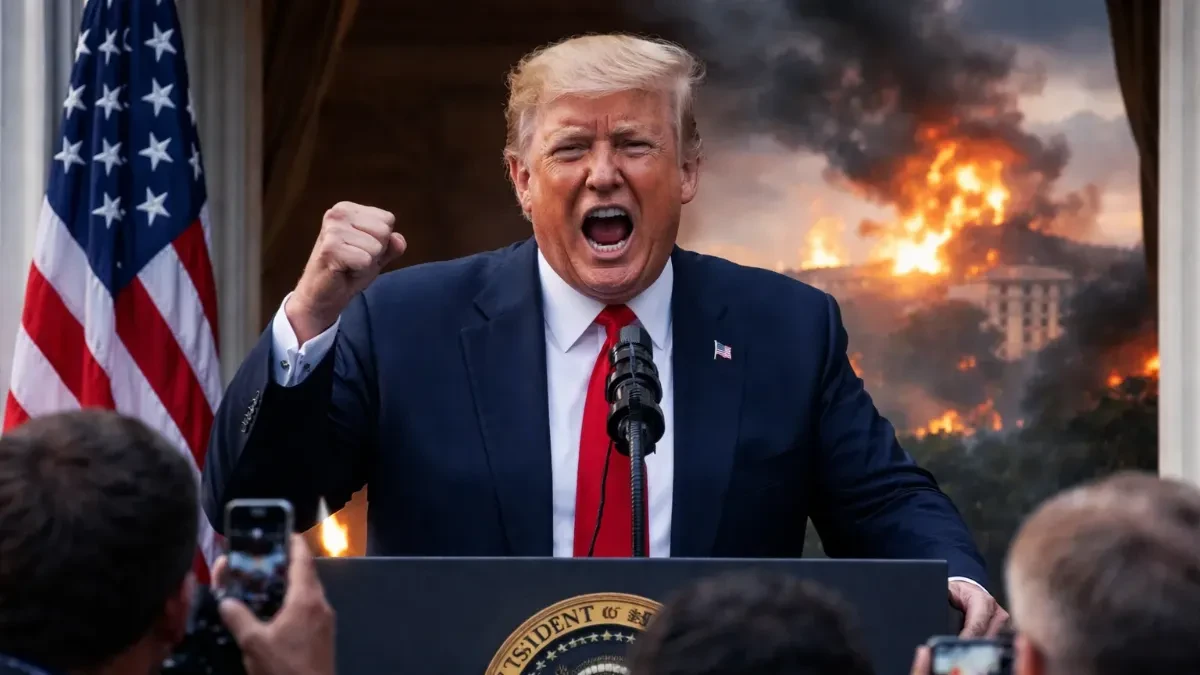
After Iran, they will 'drop by'
4 days ago