pro-government
As a guest of Branko Babić in Ratkovo: A great holiday marked by tradition and family
Kurir
2 days ago
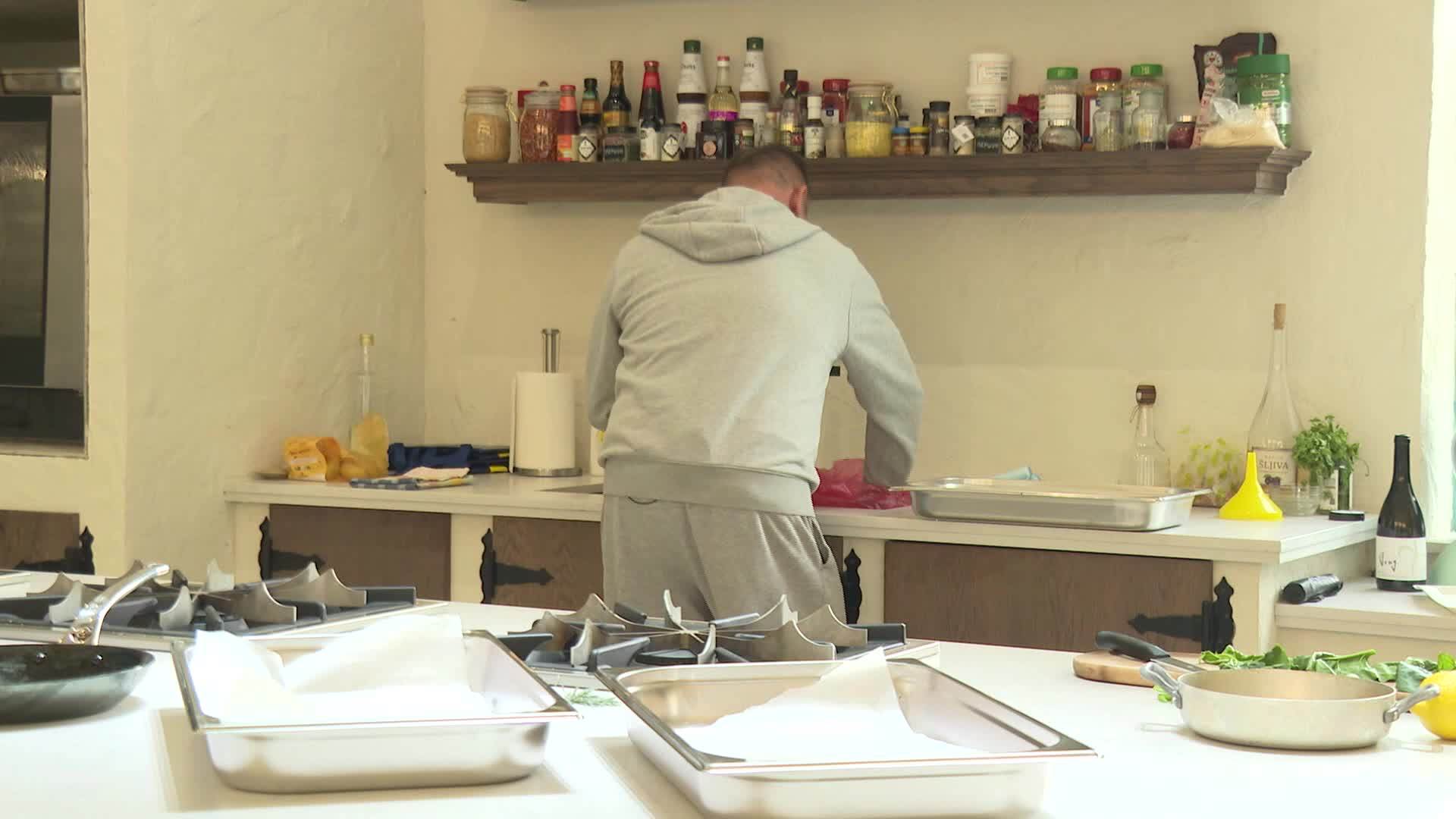
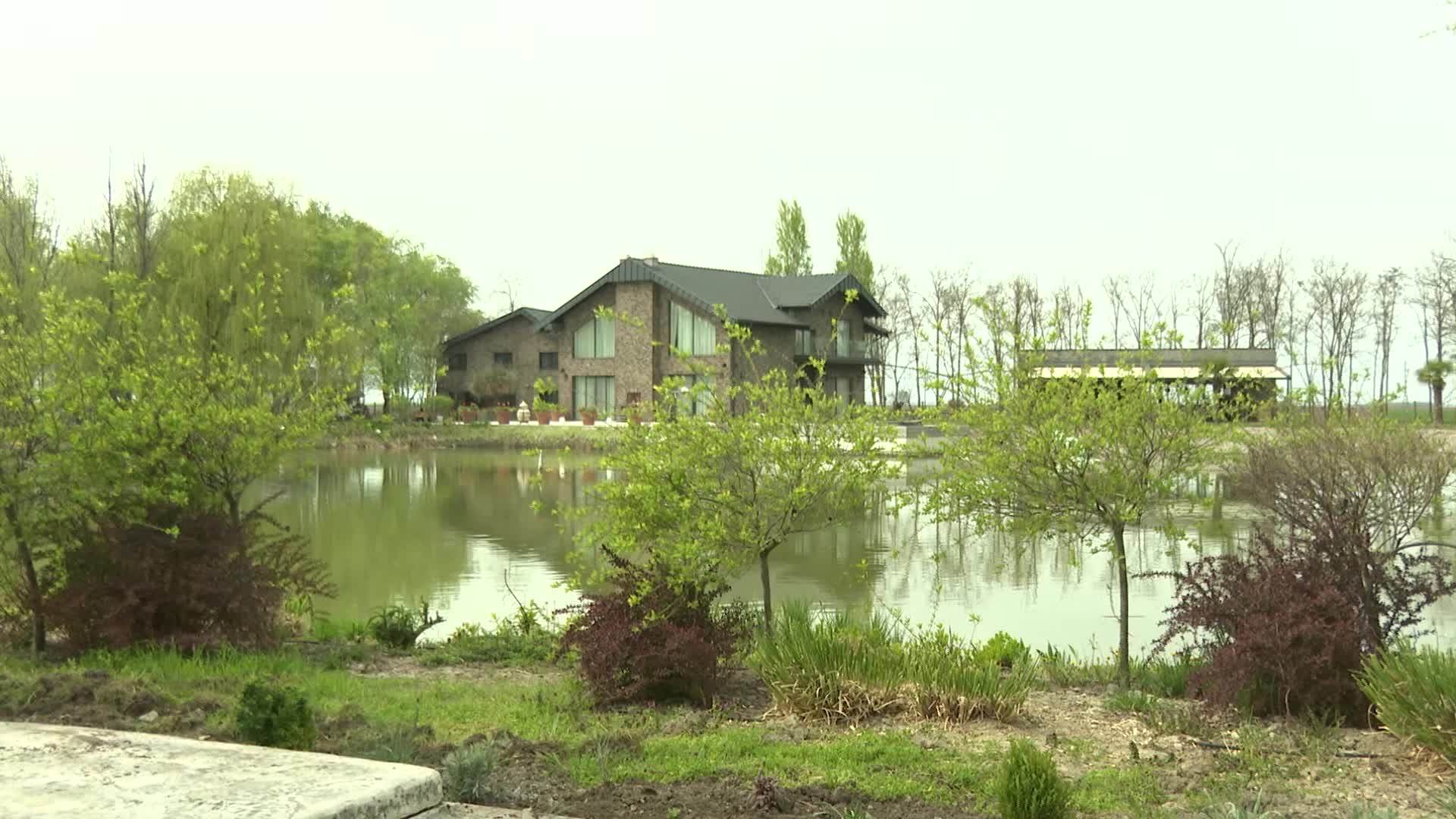
Kurir TV’s visit to Branko Babić’s home in Ratkovo on Good Friday is commonly described as a feature segment centering on his family estate, the Good Friday atmosphere, and the celebration of a major Christian holiday. Across coverage, the core facts are that Kurir TV, through the weekend edition of the show “Puls Srbije vikend” hosted by Kruna Una Mitrović, filmed at what is presented as one of Serbia’s most beautiful rural properties, where Babić demonstrated how he produces his own oil, milk, and flour and joked that he only needs to buy salt and pepper. Reports agree that the cameras followed Babić’s household during the Good Friday observance, highlighting the festive yet solemn religious setting, the hospitality extended to the TV crew, and the emphasis on tradition, family cohesion, and local customs in Ratkovo.
Beyond the concrete visit, the shared context in available coverage frames the segment as part of a broader media narrative that promotes rural life, family farming, and the preservation of customs tied to major Orthodox holidays. Both sides typically acknowledge that Good Friday is a significant date in the liturgical calendar, that Serbian media often use it to broadcast feel‑good stories on faith and heritage, and that Ratkovo is one of many communities where such traditions are maintained. There is also general agreement that Kurir TV’s lifestyle and holiday programming frequently blends human‑interest storytelling with visual promotion of the countryside, positioning households like Babić’s as examples of self‑reliance, intergenerational family life, and continuity of religious practice.
Framing of the visit. Opposition-aligned outlets, where they comment at all, tend to portray or imply the visit as a choreographed, quasi‑propagandistic lifestyle piece designed to distract from pressing political and socio‑economic issues, emphasizing its polished, idyllic imagery. Pro-government media, led by Kurir TV itself, frame it as an apolitical, heartwarming holiday story that simply showcases a model household and celebrates Good Friday traditions. The former underscore the timing and tone as evidence of a soft‑focus public relations strategy, while the latter insist it is standard holiday programming consistent with audience expectations for uplifting content.
Portrayal of Branko Babić. Opposition narratives are more likely to question why Babić is being spotlighted, hinting that he is used symbolically as an idealized rural citizen whose self‑sufficiency and satisfaction implicitly validate the status quo. Pro-government reports depict Babić almost exclusively in positive, personal terms: a hardworking host, devoted family man, and guardian of customs whose estate is presented as “the most beautiful in Serbia.” Critics see a selectively curated image that ignores broader challenges facing rural residents, while loyalist media emphasize his success story as inspirational rather than political.
Socio-economic subtext. Opposition voices interpret the segment as glossing over rural poverty, unemployment, and depopulation, arguing that showing one exemplary farm risks masking systemic problems and inequality in the countryside. Pro-government coverage instead highlights Babić’s self‑reliance—producing his own oil, milk, and flour—as proof that individual initiative and traditional ways can secure a good life, indirectly supporting the narrative that current policies enable such success. The former stress structural constraints and absent reforms, while the latter celebrate personal effort and heritage as the key explanatory factors.
Use of religion and tradition. Opposition commentary tends to be wary of how religious holidays and symbols are used in pro-government media, suggesting that frequent Good Friday and Easter features help tie the ruling camp to national and Orthodox identity. Pro-government outlets frame the Good Friday visit as a natural occasion to document living faith and customs, rejecting the idea that showing icons, fasting meals, and family gatherings is politically instrumental. Detractors argue that this sacral‑national imagery routinely bolsters the regime’s legitimacy, while supportive media insist it merely reflects the genuine values of viewers.
In summary, opposition coverage tends to cast the Kurir TV Good Friday visit to Branko Babić’s home as a carefully curated, symbolically loaded segment that idealizes rural life and diverts attention from systemic issues, while pro-government coverage tends to present it as a straightforward, uplifting holiday feature that honors family, faith, and tradition without any underlying political agenda.