
pro-government
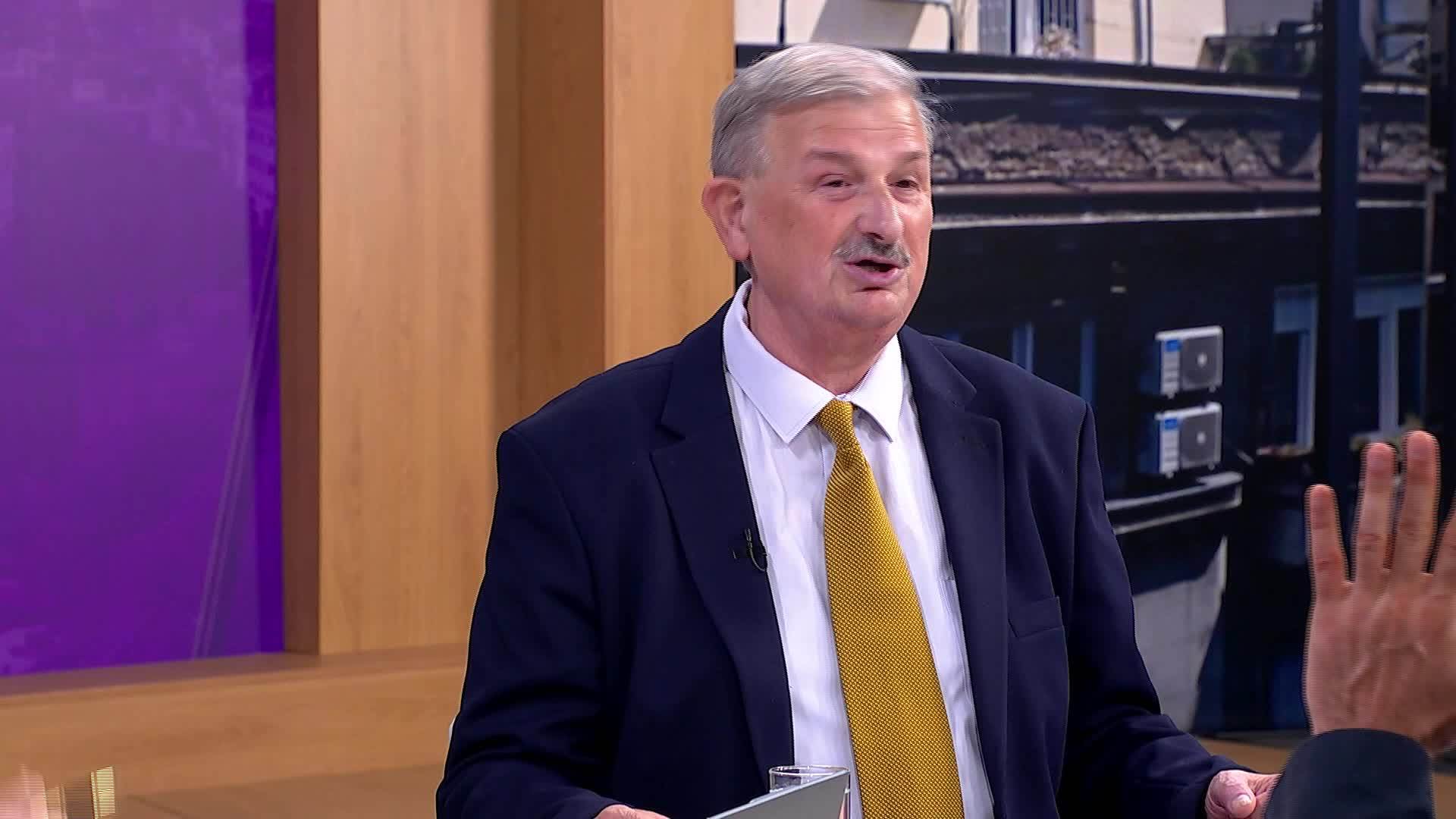
Fierce Conflict Between Ljuban Karan and Miodrag Kapor Continues Live on the Show “Puls Srbije Weekend”
Kurir
2 days ago
Ljuban Karan and Miodrag Kapor engaged in a live and very heated verbal clash on the television program "Puls Srbije vikend" (also referred to as "Puls Srbije Weekend"), a political talk show broadcast on Serbian TV. Both opposition and pro‑government outlets agree that the confrontation unfolded in real time during the show, that it was unusually intense for a studio debate, and that it centered on a sharp disagreement between the two commentators rather than on a technical or procedural issue.
Across the spectrum, coverage situates the incident within the broader format of Serbian political talk shows, where current affairs and government policy are debated by regular commentators and guests. Media on both sides present the clash as part of an ongoing dispute between Karan and Kapor that has surfaced in previous appearances, and as an example of how televised debates in Serbia often blur the line between analysis and personal confrontation. There is consensus that the program serves as a platform for politically charged exchanges reflecting deeper divisions in Serbian public life.
Framing of the incident. Opposition-aligned outlets tend to frame the clash as symptomatic of a degraded media culture and an orchestrated spectacle that diverts attention from substantive issues, portraying the outburst as evidence of how politicized television has become. Pro-government outlets, by contrast, emphasize the drama and intensity of the exchange as proof of the show’s openness to strong opinions and live, unscripted debate. While opposition sources highlight dysfunction and sensationalism, pro-government reports lean into the confrontation as engaging political television.
Political symbolism. Opposition media are inclined to read the argument as a metaphor for broader fractures within Serbia’s power structure, suggesting it reveals tensions among pro-regime commentators or failures in the government’s narrative management. Pro-government coverage, where it touches on symbolism at all, tends to present the dispute as a personal disagreement between two strong personalities rather than a sign of systemic political strain. In doing so, opposition outlets treat the clash as politically revealing, whereas pro-government outlets depoliticize it and keep the focus on the show itself.
Implications for public debate. Opposition sources generally argue that such clashes cheapen public discourse, crowding out policy discussion and reinforcing a culture of shouting matches instead of reasoned argument. Pro-government media, on the other hand, suggest that robust and even fierce exchanges are a normal part of democratic debate and demonstrate that different views can be aired on mainstream television. Thus, opposition coverage sees the incident as corrosive to deliberation, while pro-government coverage presents it as evidence of pluralism.
Responsibility of broadcasters. Opposition-aligned reporting typically questions the editorial responsibility of the channel and the show’s producers, implying they encourage or at least tolerate conflict to boost ratings and shield the government from scrutiny on substantive topics. Pro-government outlets either downplay the role of the broadcaster or implicitly defend it, stressing the spontaneity of the quarrel and the value of letting guests speak freely without heavy-handed moderation. As a result, opposition coverage casts the broadcaster as complicit in spectacle, whereas pro-government coverage casts it as a neutral platform hosting lively discussion.
In summary, opposition coverage tends to portray the Karan–Kapor clash as a manufactured spectacle that exposes deeper political and media dysfunction, while pro-government coverage tends to treat it as a vivid but normal instance of live, competitive debate that showcases a vibrant television forum.