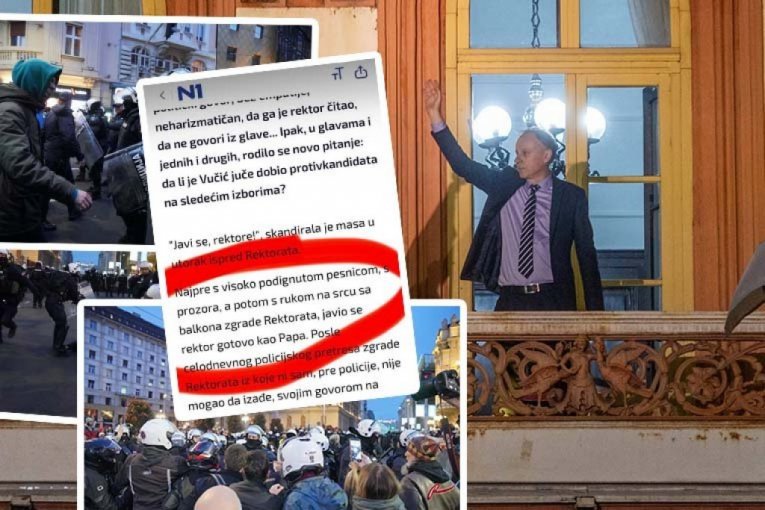
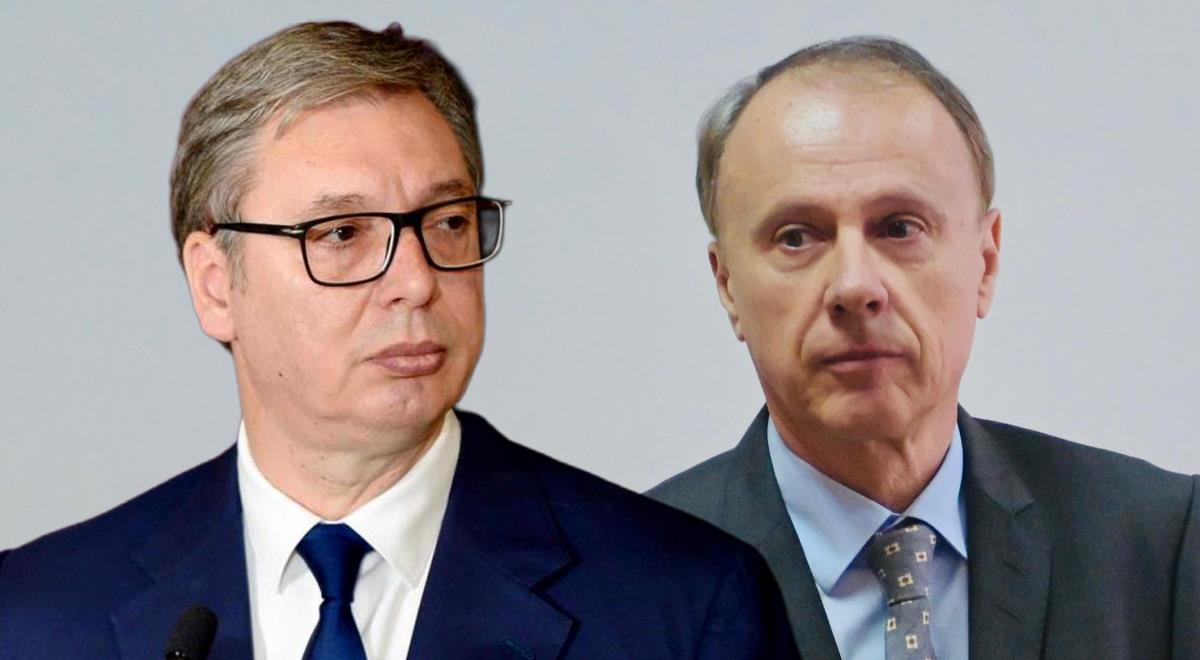
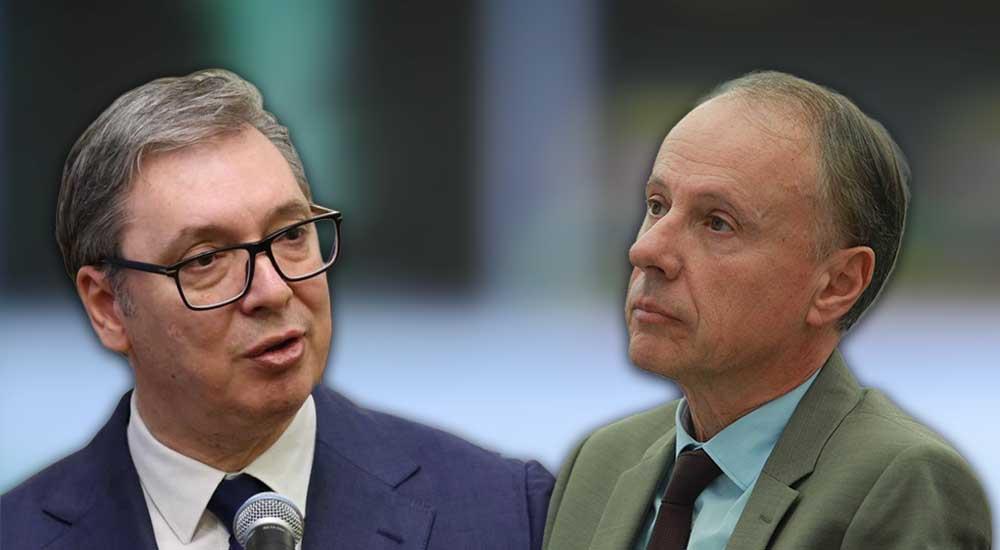
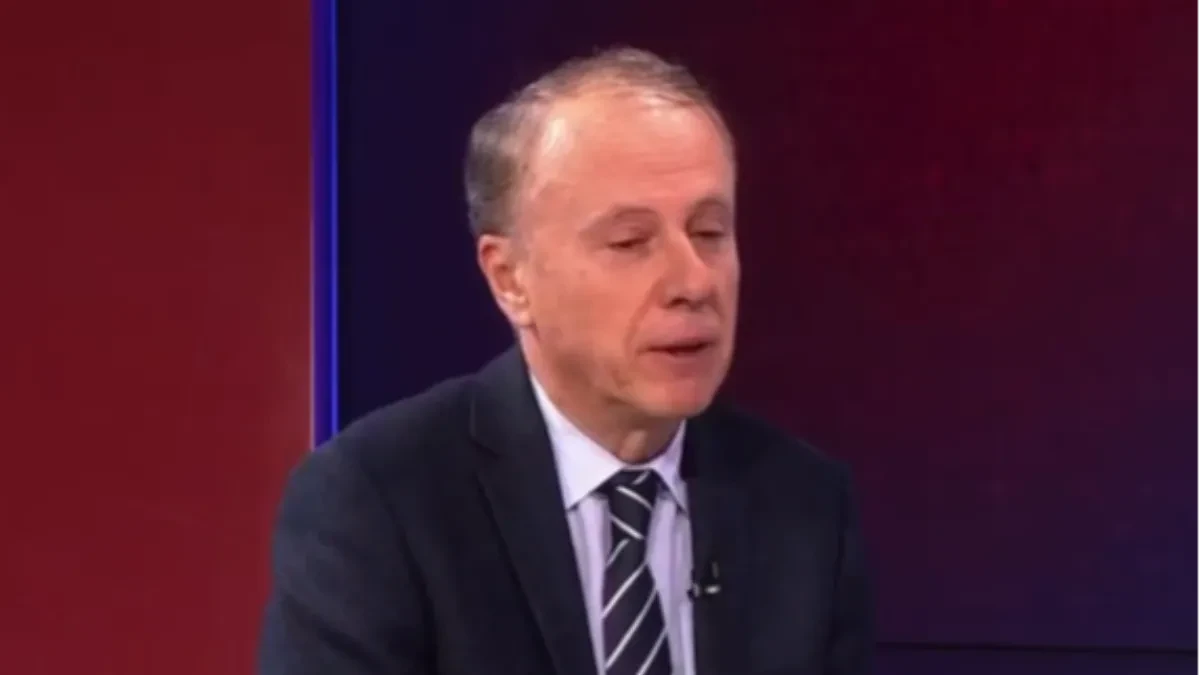
Rector Vladan Đokić of the University of Belgrade addressed citizens from the Rectorate balcony following a police raid on the Rectorate building, delivering a speech that both opposition and pro-government outlets describe as highly charged and politically consequential. All sides agree that Đokić sharply criticized the authorities over the raid, referred to recent student protests and a tragic student death, and framed his remarks around the university’s mission, the protection of students, and the need for accountability. They concur that senior officials, including Serbian President Aleksandar Vučić and Serbian Progressive Party president Miloš Vučević, publicly reacted to the speech, accused Đokić of engaging in politics, and openly discussed the possibility of his candidacy or broader political ambitions in the context of upcoming elections.
Across the spectrum, media describe Đokić as moving from a strictly academic role into a political spotlight, with his Rectorate balcony appearance treated as a key moment in the ongoing confrontation between the government and the “blockaders” and other protest groups. Both opposition and pro-government coverage place the episode in the wider context of tensions over police conduct, academic autonomy, and recent tragedies that have shaken public trust in institutions, as well as in the framework of Serbia’s constitutional order and electoral competition. There is shared acknowledgment that international attention and European institutions are being invoked in the public debate, and that this controversy now touches on broader questions of academic freedom, political rights of university officials, and the legitimacy of street-based protest as a form of political engagement.
Areas of disagreement
Nature of the speech. Opposition-aligned outlets characterize Đokić’s balcony address as a legitimate, principled defense of academic freedom and students in the face of an intimidating and politically motivated police raid, insisting that it was a moral response rather than a partisan rally. Pro-government media, by contrast, portray the same speech as the overt launch of a personal political campaign, accusing him of using the Rectorate as a stage to promote himself as a leader of the “blockaders” and a prospective candidate. While opposition coverage highlights his references to truth, responsibility, and institutional autonomy, pro-government coverage focuses on his rhetoric as evidence that he has turned the university into a de facto opposition platform.
Responsibility and ethics. Opposition sources stress that responsibility lies with state authorities for sending police into a university space and for failing to show adequate remorse for a student’s death, presenting Đokić as calling out this lack of accountability. Pro-government outlets instead accuse Đokić of unethical conduct, claiming he exploited the student tragedy and institutional tensions to boost his profile, and suggesting that his moral stance is a cover for personal ambition. In opposition narratives, the ethical breach is state intimidation and disregard for students, while in pro-government narratives it is the rector’s alleged instrumentalization of grief and institutional authority for political gain.
Political ambitions and candidacy. Opposition media tend to frame Đokić’s potential political engagement as a democratic right and a possible threat to the ruling party, noting Vučić’s and Vučević’s criticisms as attempts to delegitimize a strong challenger and to pressure him because of his influence within the university and protest movements. Pro-government outlets, however, insist that his ambitions are both transparent and overblown, arguing that he openly craves power, seeks foreign backing, and yet hesitates to take the top spot on an electoral list, which they present as proof of weakness or opportunism. Whereas opposition coverage suggests his popularity and civic credibility worry the authorities, pro-government coverage claims the president is relaxed, sees Đokić as an easy opponent, and views his candidacy as making the electoral contest simpler rather than riskier.
Foreign support and media framing. Opposition-aligned reporting emphasizes Đokić’s appeals to international opinion as a call for protection of academic freedom and democratic standards, and depicts channels like N1 as documenting, not manufacturing, his status as a symbol of resistance. Pro-government media recast these same appeals as a bid to undermine Serbian sovereignty by inviting foreign interference, alleging he has long lobbied embassies and European institutions to back his power bid and condemning N1 for “tabloid” glorification that allegedly turns him into a quasi-religious figure. Thus, where opposition outlets see legitimate internationalization of a human-rights and university-autonomy issue, pro-government outlets see a media-driven cult around a rector who is courting outside patrons against the elected authorities.
In summary, opposition coverage tends to present Đokić as a principled academic figure thrust into politics by state overreach and institutional intimidation, while pro-government coverage tends to depict him as an ambitious, media-inflated political actor who misuses his position, international connections, and student tragedies in a bid for power.