
pro-government
Serbia has a new "lotto" millionaire: Here's where the ticket worth more than 5 million euros was paid
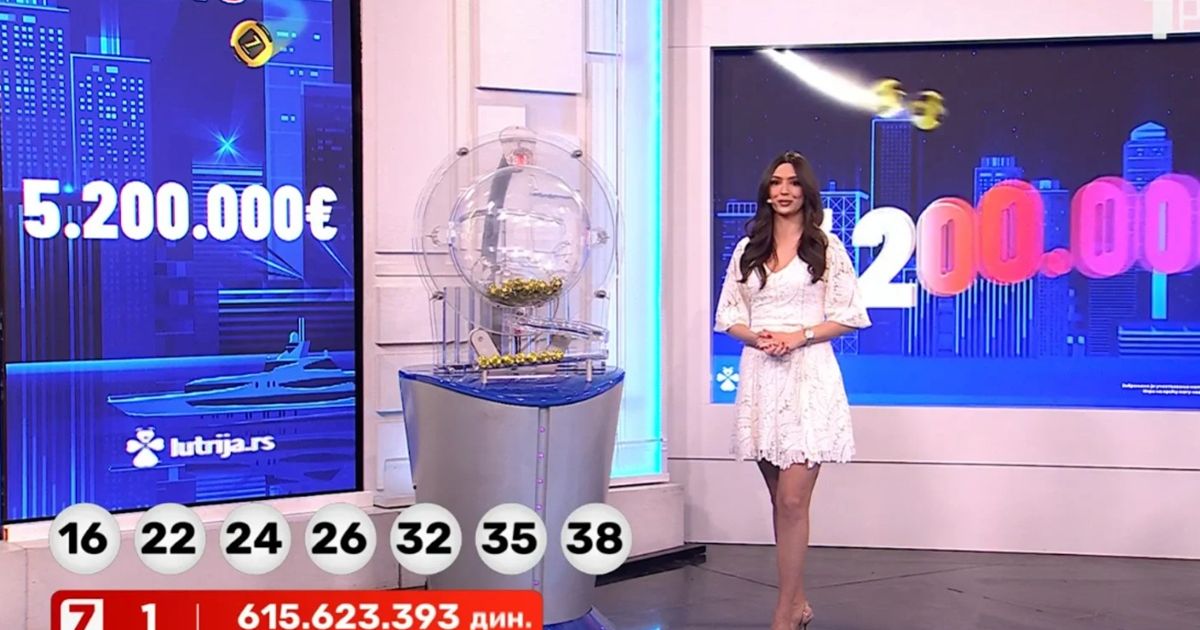
In tonight's 26th round of the lottery game "Loto", a seven was drawn worth 5,200,000 euros or 615,623,393 dinars.
15 days ago
In the latest 26th round of the Serbian state lottery "Loto," media on both sides report that the main jackpot, the so‑called "seven," was won and is worth about 5,200,000 euros, creating a new multimillionaire in Serbia. All outlets agree that the winning ticket was purchased in Paraćin and that this is presented as a major national event, while additional prizes such as a Peugeot 308 car and several six-number winners were also drawn in the same round. Both opposition and pro-government sources note that some associated games like "Loto plus" and "Joker" did not produce a jackpot winner this time, underscoring that the primary focus is on the unprecedented size of the main prize and the identity of the town where the ticket was bought, rather than on the individual winner, who remains anonymous.
Shared context in both opposition and pro-government coverage is that the draw is part of the regular, numbered rounds of the official Serbian lottery, framed as routine yet high-stakes entertainment. All sides depict the lottery as a nationwide phenomenon that periodically creates sudden millionaires, with Paraćin now added to the informal map of "lucky" places in Serbia. They similarly emphasize that the system includes multiple prize tiers (jackpot, six-number category, associated games, and bonus awards like cars), and they reference basic tips or general notions about chance and random combinations without questioning the fundamental legitimacy or operation of the lottery itself.
Framing of significance. Opposition-aligned outlets treat the jackpot mainly as a straightforward news item, focusing on the amount, the winning town, and the absence of winners in side games, with a relatively neutral tone and minimal emotional language. Pro-government outlets, by contrast, frame the event as a national spectacle, using more sensational headlines about a new multimillionaire and presenting the win as part of a broader feel-good narrative about fortune in Serbia.
Emotional tone and language. Opposition coverage uses restrained, fact-first language, listing the figures, locations, and results without dramatic embellishment or extensive human-interest angles. Pro-government sources deploy exuberant wording about "lotto fever" shaking Serbia and a player becoming rich overnight, creating a celebratory atmosphere that aligns the story with broader themes of opportunity and excitement.
Depth and focus of detail. Opposition reports stick to core outcomes such as the draw number, main jackpot value, location of the winning ticket, and mention of the car prize and lack of winners in some additional games, offering little beyond the essential draw data. Pro-government outlets add more granular details, including the exact winning number combination, the number of players who hit six numbers and their individual winnings, and practical "expert" advice on choosing numbers, thereby turning the piece into a mix of results, guidance, and lifestyle content.
Underlying narrative. Opposition-leaning media implicitly frame the lottery as a routine institutional event within Serbia’s gaming system, reporting it similarly to other dry statistical updates without connecting it to broader social or political narratives. Pro-government outlets subtly embed the story into a more optimistic storyline about luck and prosperity in Serbia, presenting the existence of a huge jackpot win as an uplifting national moment rather than just a technical lottery result.
In summary, opposition coverage tends to present the 5.2 million euro Loto win in Paraćin as a concise, factual update centered on numbers and outcomes, while pro-government coverage tends to dramatize the event as a jubilant national story, adding emotional framing, detailed combinations, and advice that reinforce a narrative of excitement and opportunity.