


pro-government
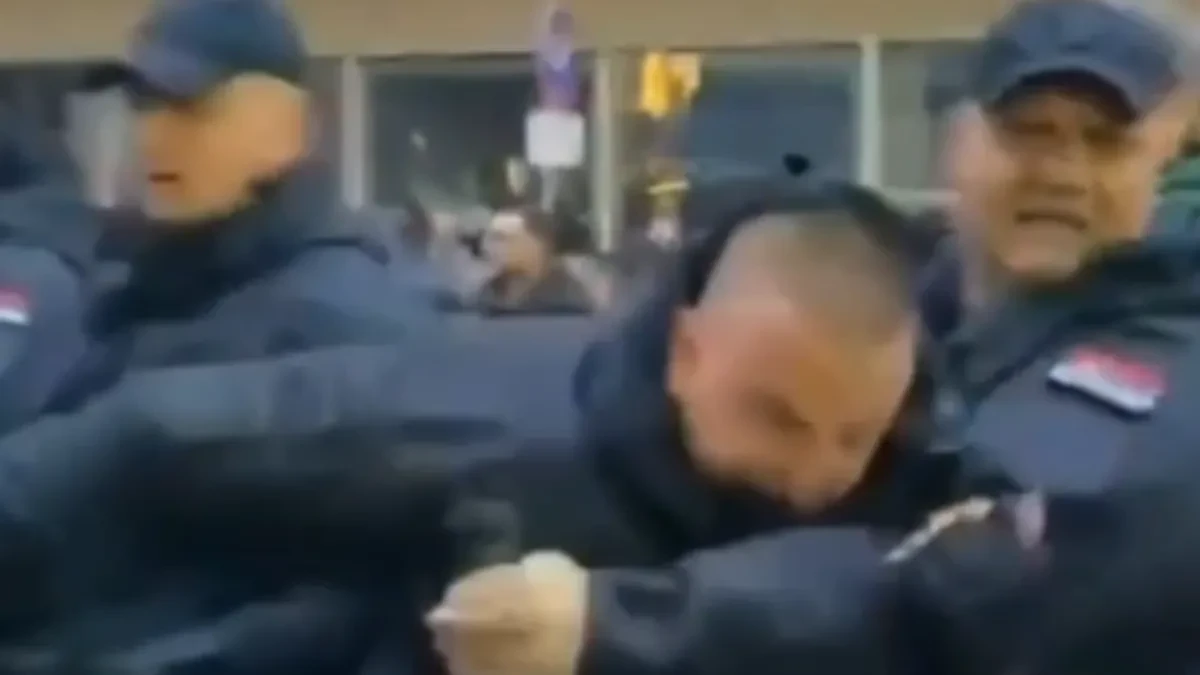
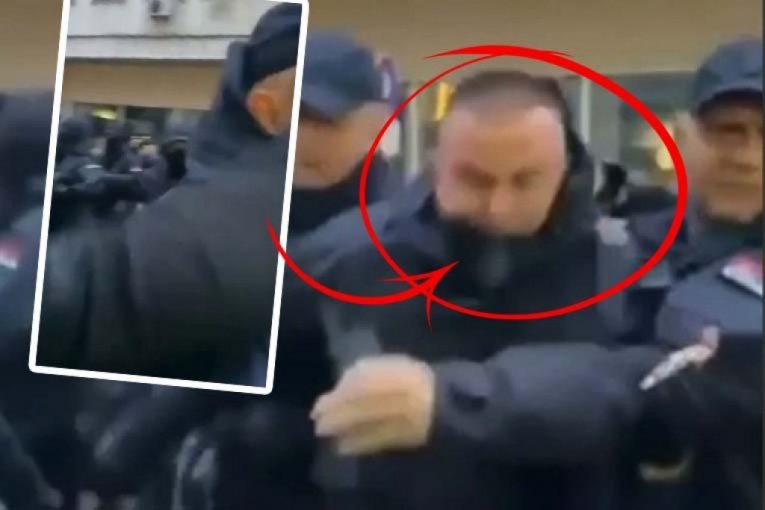
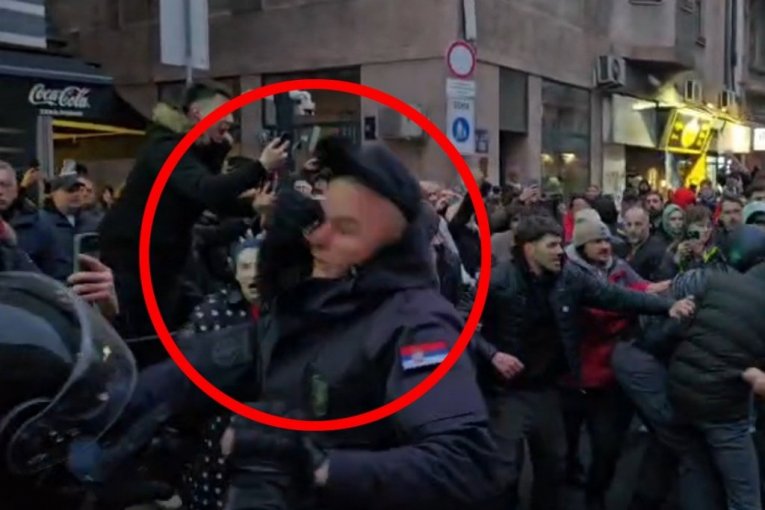
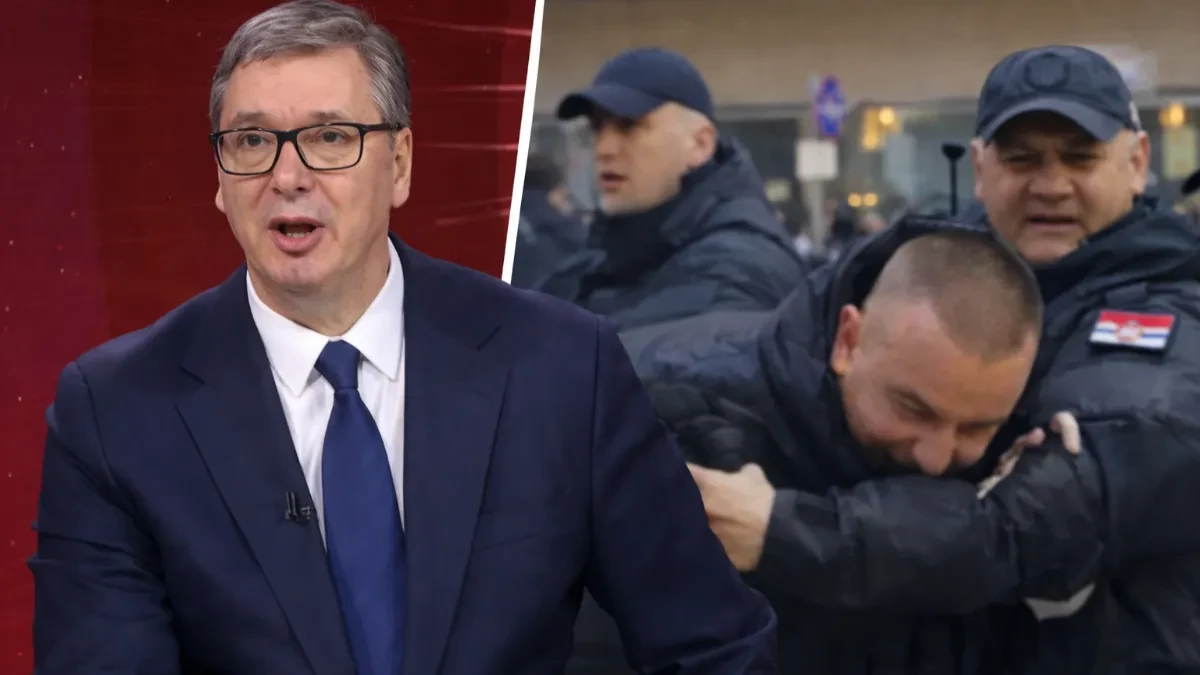
SHOCKING VIDEO OF VIOLENCE! Blocker HITS policeman with a fist on camera in front of the Rectorate! (VIDEO)
Brutal attack on camera tonight
15 days ago
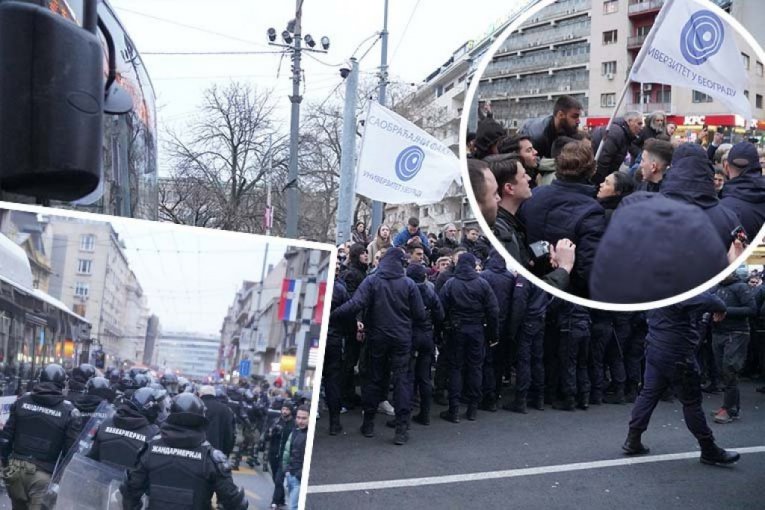
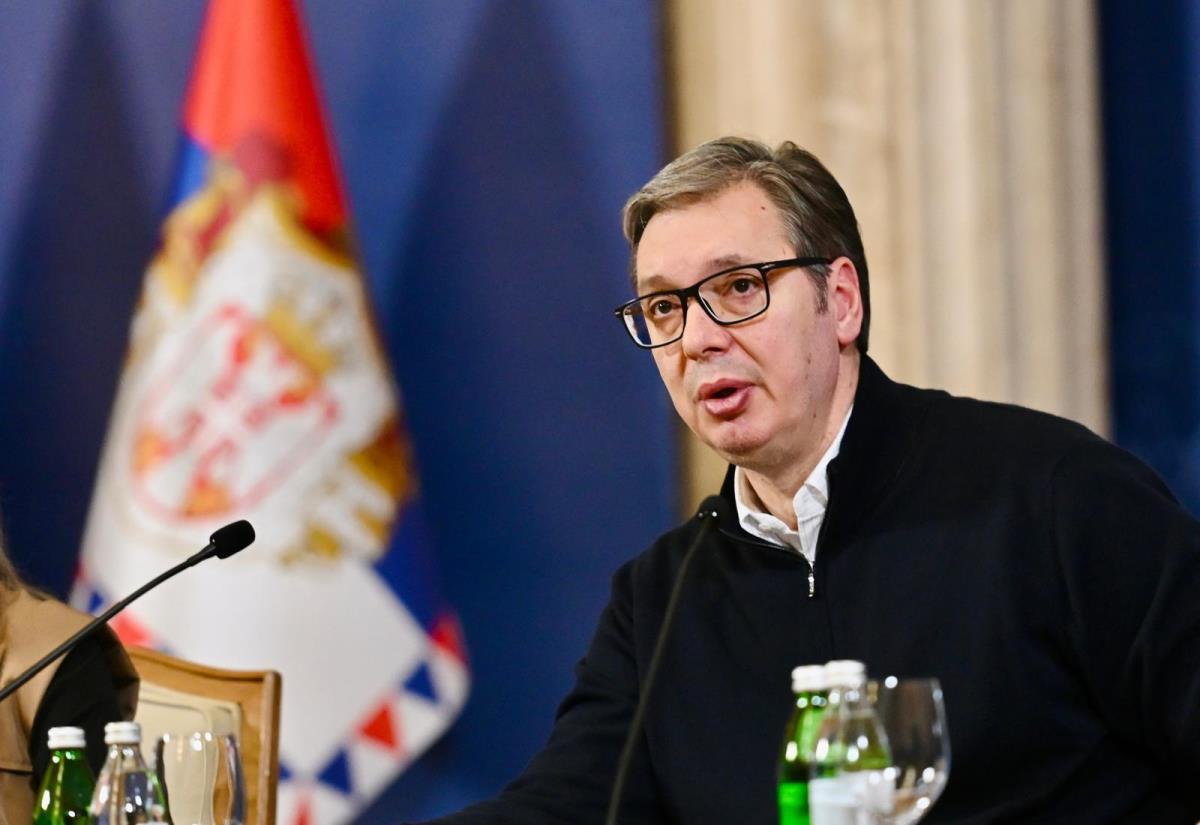
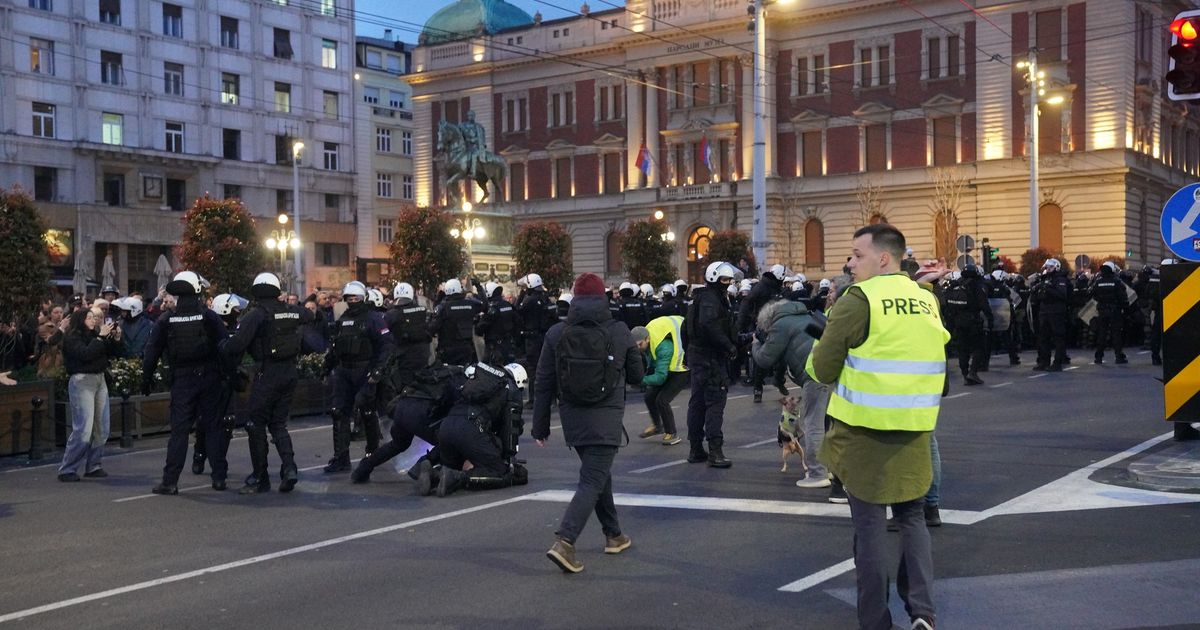
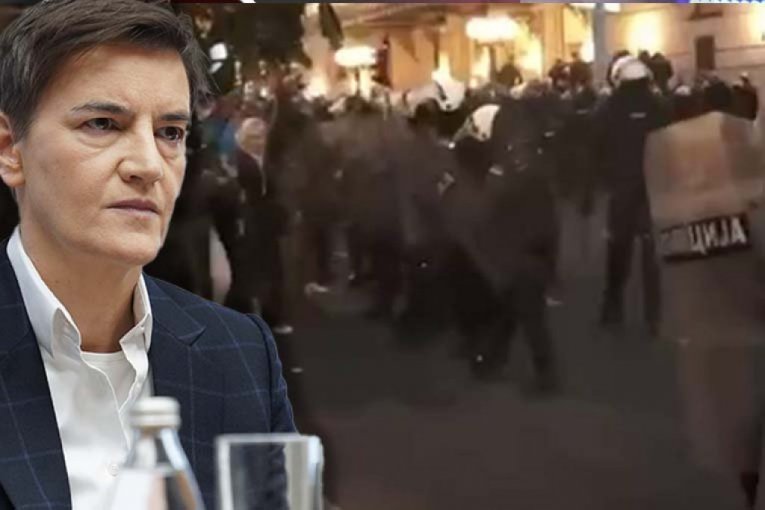
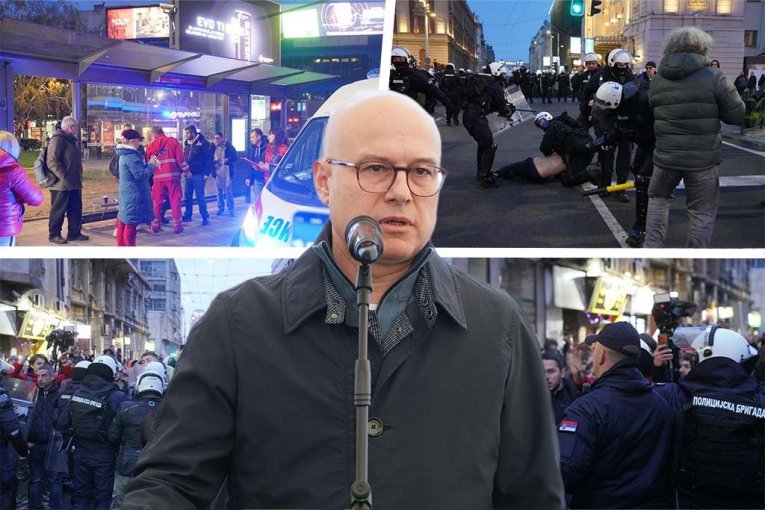
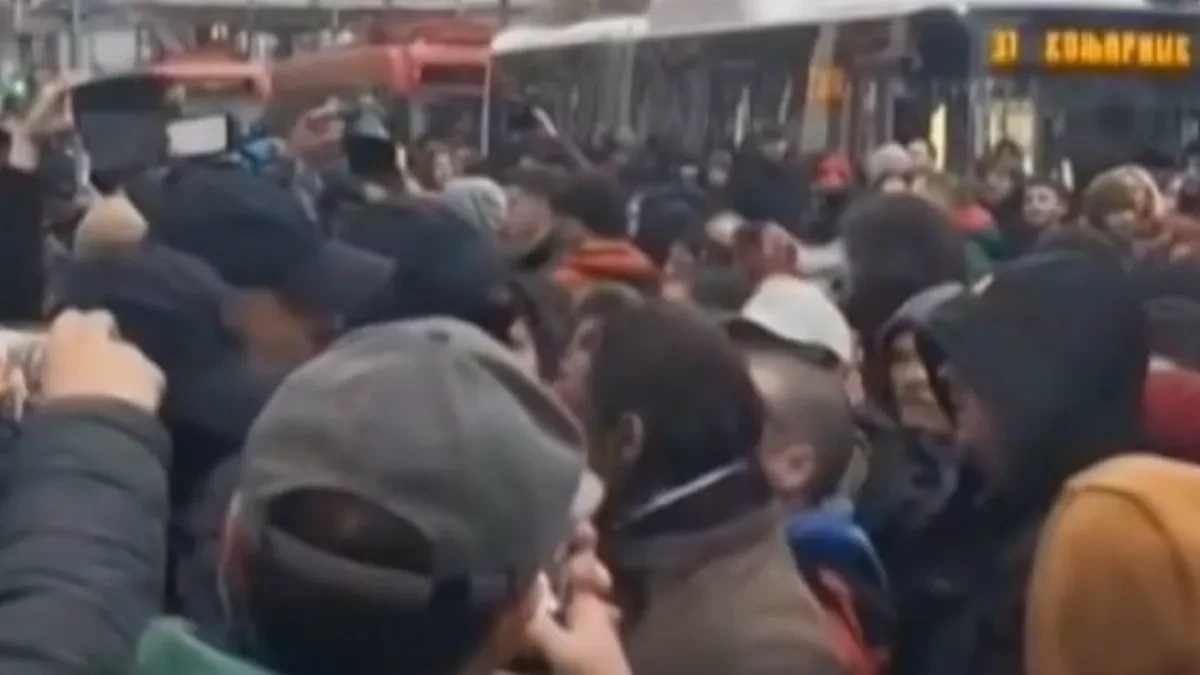
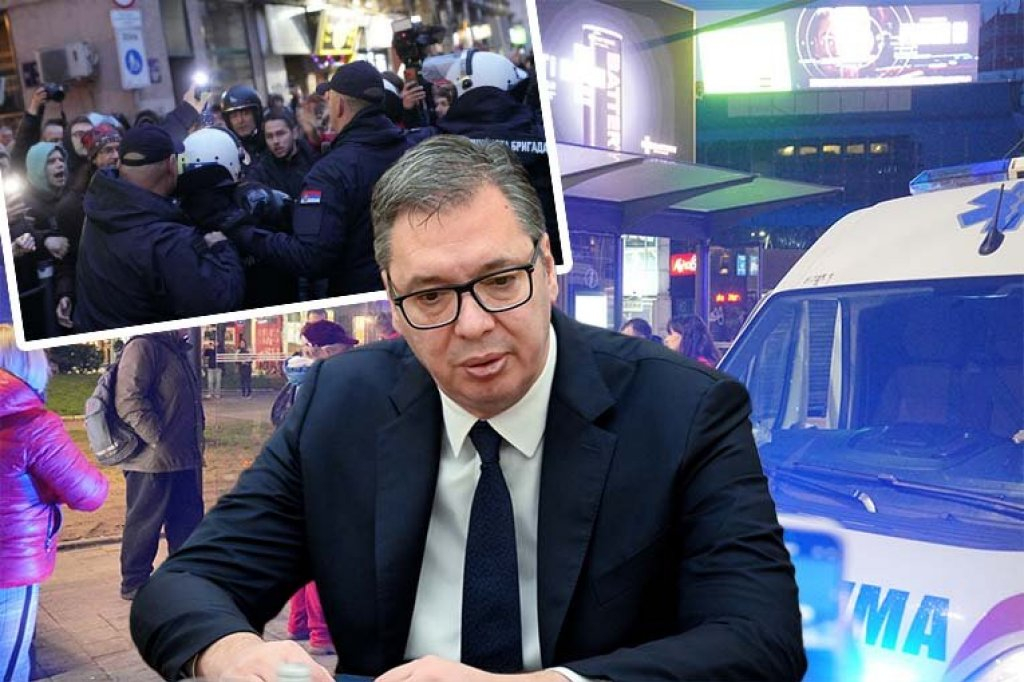
Violent protests and clashes between demonstrators and police occurred outside the University of Belgrade Rectorate, triggered by the police entering the building to secure evidence, including surveillance footage, as part of an investigation into the death of a student from the Faculty of Philosophy. Both opposition and pro-government sources agree that several thousand people gathered near the Rectorate, that tensions escalated into physical confrontations, and that at least one protester was filmed punching a police officer, with objects such as planters and other items thrown at police. They concur that the gathering was not formally registered as a protest, that the incident drew responses from top state officials including President Aleksandar Vučić, Parliament Speaker Ana Brnabić, and ruling-party figures, and that the protest eventually dispersed after Rector Vladan Đokić addressed those assembled. There is shared acknowledgment that criminal police searched the Rectorate premises on the orders of prosecutors, reportedly discovering various items stored in basement areas and offices, and that the university authorities were placed at the center of public attention over cooperation with the investigation.
Across coverage, there is broad agreement that the Rectorate and the university as institutions are caught between the demands of protesters and the authority of the state, with the underlying trigger being public outrage and concern surrounding the unexplained student death and broader questions about safety on campus. Both sides frame the events against a backdrop of long-running political conflict in Serbia, including disputes over recent election results, allegations of politicization of universities, and ongoing tensions between government institutions and segments of civil society. Media on both sides recognize that the protests link immediate anger over the police operation in an academic space with deeper grievances about governance, the rule of law, and accountability, and that the situation has become a symbolic struggle over who legitimately speaks for justice for the deceased student. They also agree that international reactions, especially from European Union representatives, are being invoked in domestic debates about policing standards, protest rights, and Serbia’s broader political trajectory.
Responsibility and blame. Opposition outlets generally depict the protests as a response to perceived government overreach, framing the police entry into the Rectorate and the ensuing clashes as the state’s responsibility and emphasizing grievances over the student’s death and democratic deficits. Pro-government media, by contrast, cast primary blame on the protesters, describing them as radicals, extremists, or “blockaders” who initiated violence, attacked officers with fists and metal objects, and even called for the murder of police. While opposition coverage tends to portray the crowd as citizens demanding accountability and justice, pro-government outlets present them as politically orchestrated mobs intent on challenging state authority and destabilizing order.
Characterization of violence and scale. Opposition-aligned sources are likely to stress instances of police pressure, potential disproportionate force, and the intimidating impact of law enforcement’s presence inside an academic institution, while minimizing or contextualizing isolated scuffles as defensive or provoked. Pro-government coverage, however, concentrates on graphic video footage of protesters striking officers, throwing planters, and allegedly preparing for confrontation with items like metal pipes and medical supplies, portraying police as restrained professionals under assault. The opposition side tends to question official estimates that downplay turnout, suggesting broader public backing, whereas pro-government media echo Vučić’s figures of roughly 3,900 participants and describe the crowd as relatively small and politically marginal.
Political motives and symbolism. Opposition narratives usually frame the protests as organically driven by outrage over the handling of the student’s death, fears of institutional cover-up, and accumulated anger over electoral irregularities and authoritarian tendencies, insisting that demonstrations are about justice and democracy rather than partisan gain. Pro-government outlets, on the other hand, repeatedly assert that the unrest is a calculated move by opposition actors who lost recent elections, calling the events “desperate twitches of the powerless” and alleging that their real goal is to seize institutions, damage Serbia’s image, and impose an ideology of division. While opposition media interpret chants and slogans as expressions of anti-government dissent and solidarity with students, pro-government sources highlight alleged pro-UCK slogans to frame the protest as aligned with anti-state or even “terrorist” sympathies.
Role of institutions and international actors. Opposition reporting typically questions the independence and professionalism of police and prosecutors, suggesting that their actions in the Rectorate reflect political instructions from the ruling party and that academic autonomy and university leadership are under pressure. Pro-government outlets insist that the police operation was legally mandated and necessary for a thorough investigation, accusing protesters of trying to obstruct justice and prevent the truth about the student’s death from emerging. Regarding external reactions, opposition media tend to call for stronger international scrutiny of Serbia’s handling of protests and rule-of-law standards, whereas pro-government sources invoke comparisons with Brussels to argue that the EU should condemn violence against police and acknowledge that Serbia’s response is comparatively restrained.
In summary, opposition coverage tends to frame the Rectorate clashes as citizen-driven resistance to state abuse, institutional pressure, and unresolved injustice, while pro-government coverage tends to depict them as a violent, minority-led political gambit by defeated opposition forces attacking police, undermining the investigation, and threatening public order.