


opposition
Bosnia Celebrates Footballers, Italy Misses Third Consecutive World Cup
Follow us on our Facebook and Instagram pages, as well as on X account. Subscribe to the PDF edition of the Danas newspaper.
14 days ago
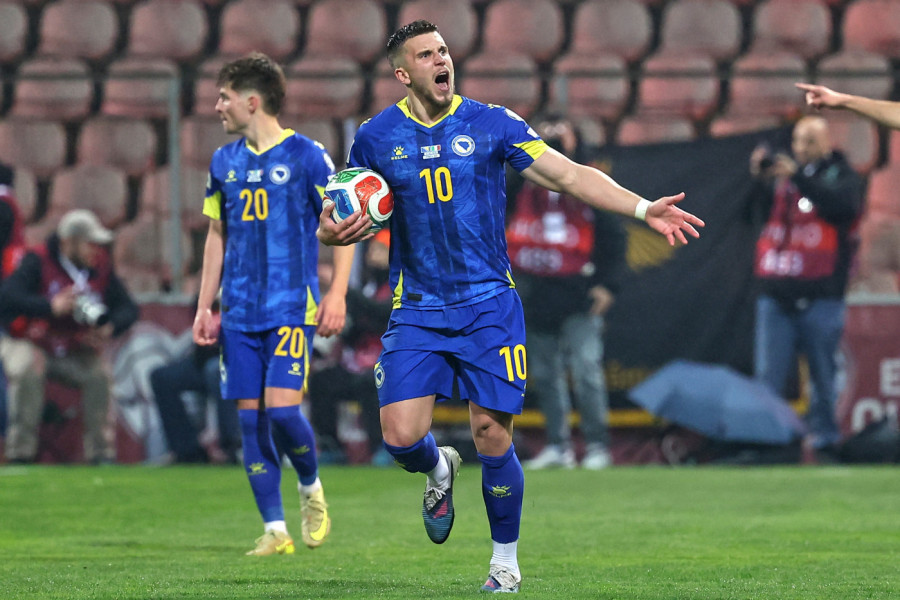
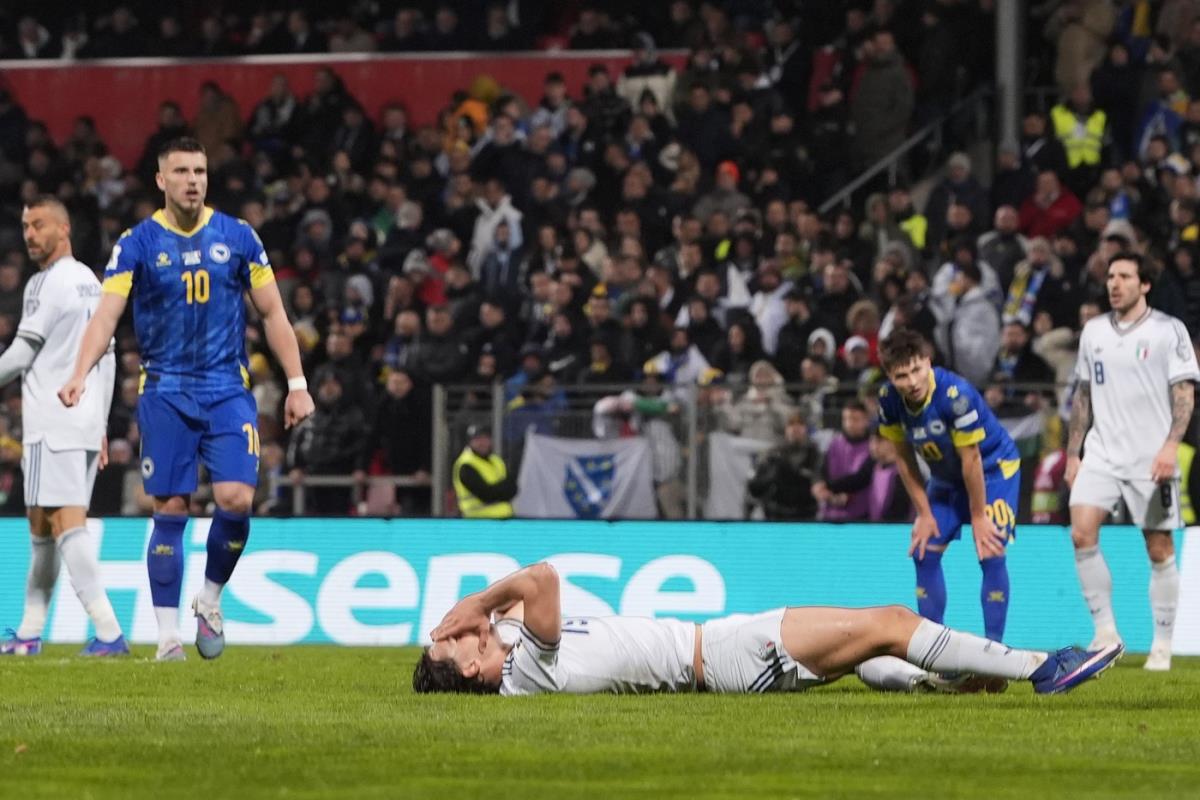
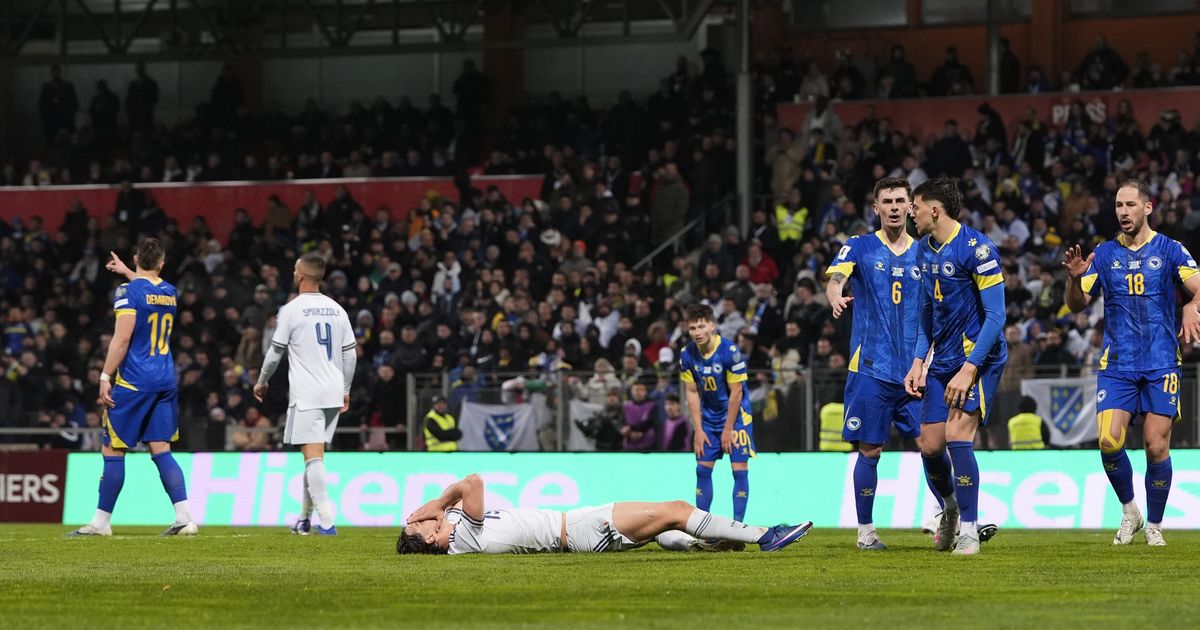
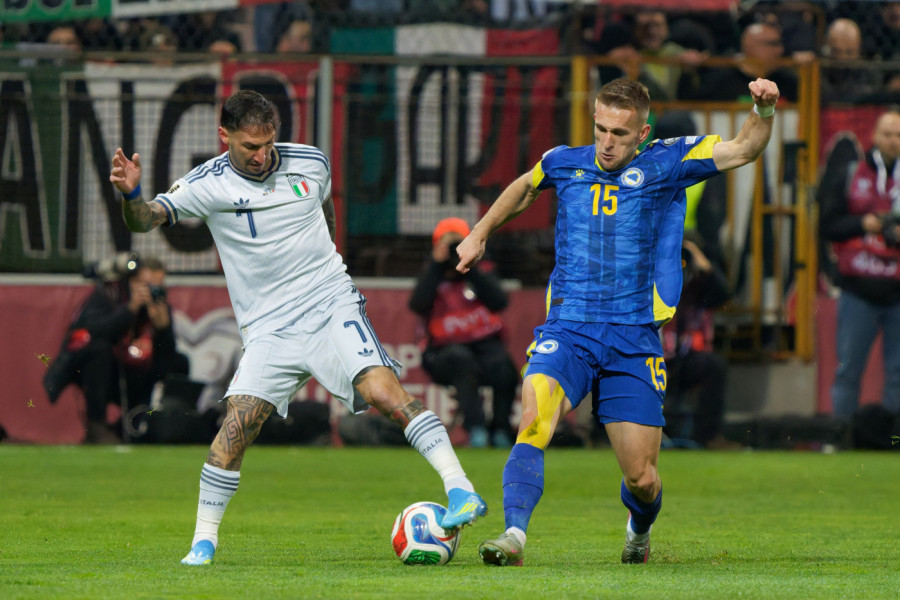
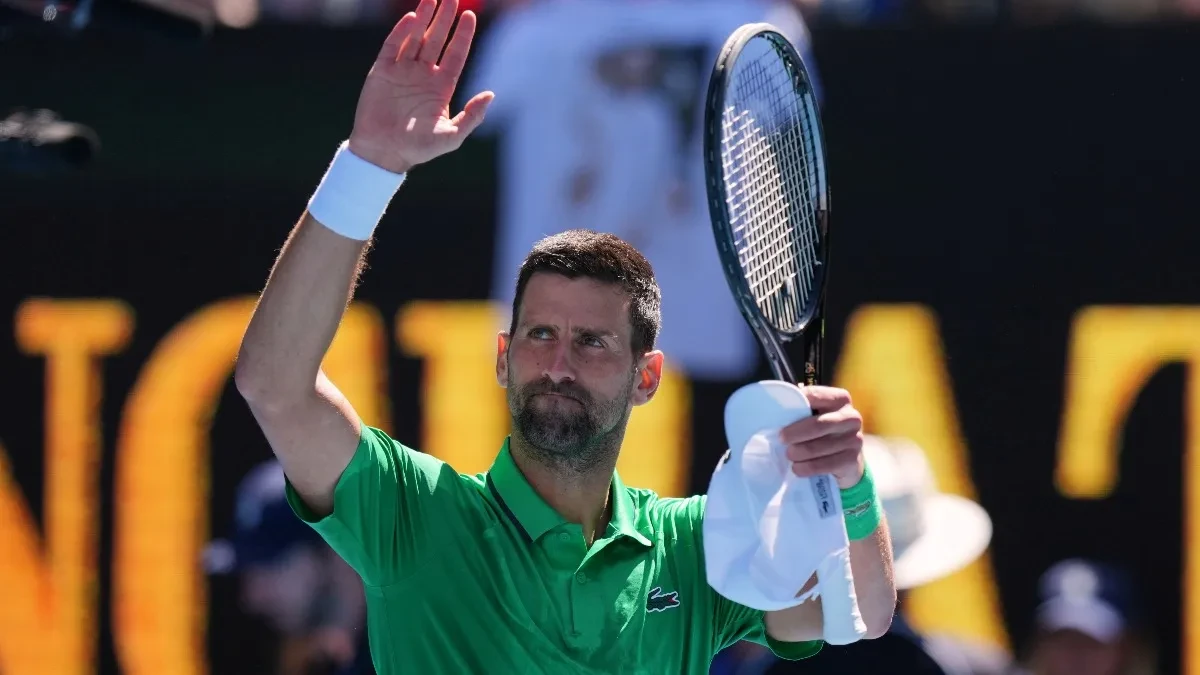
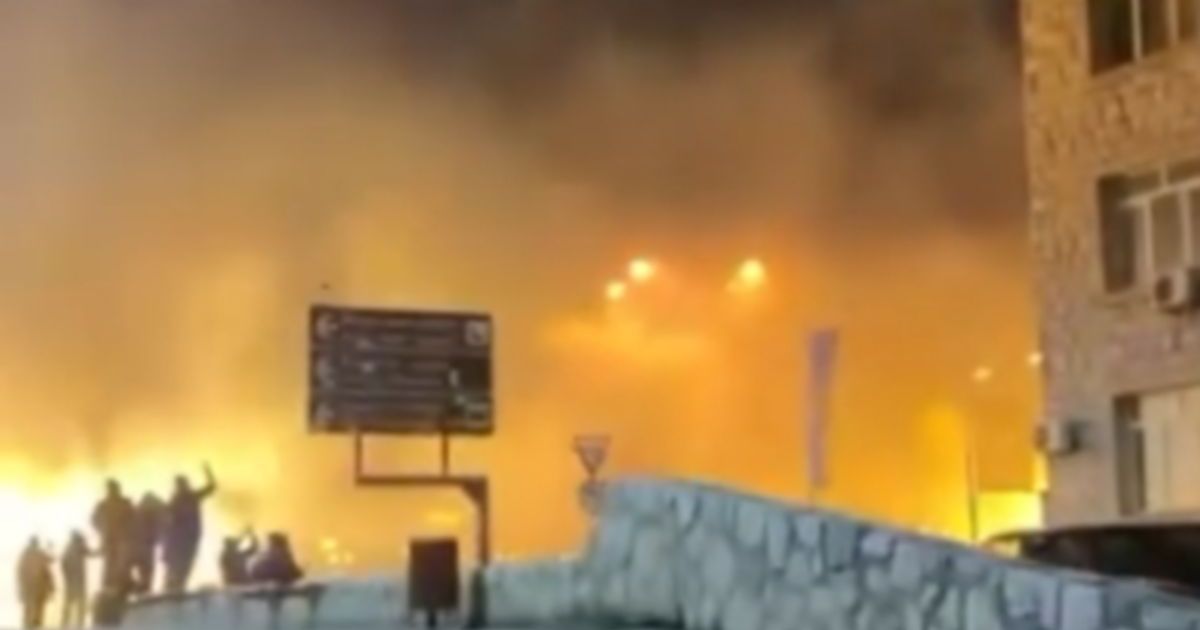
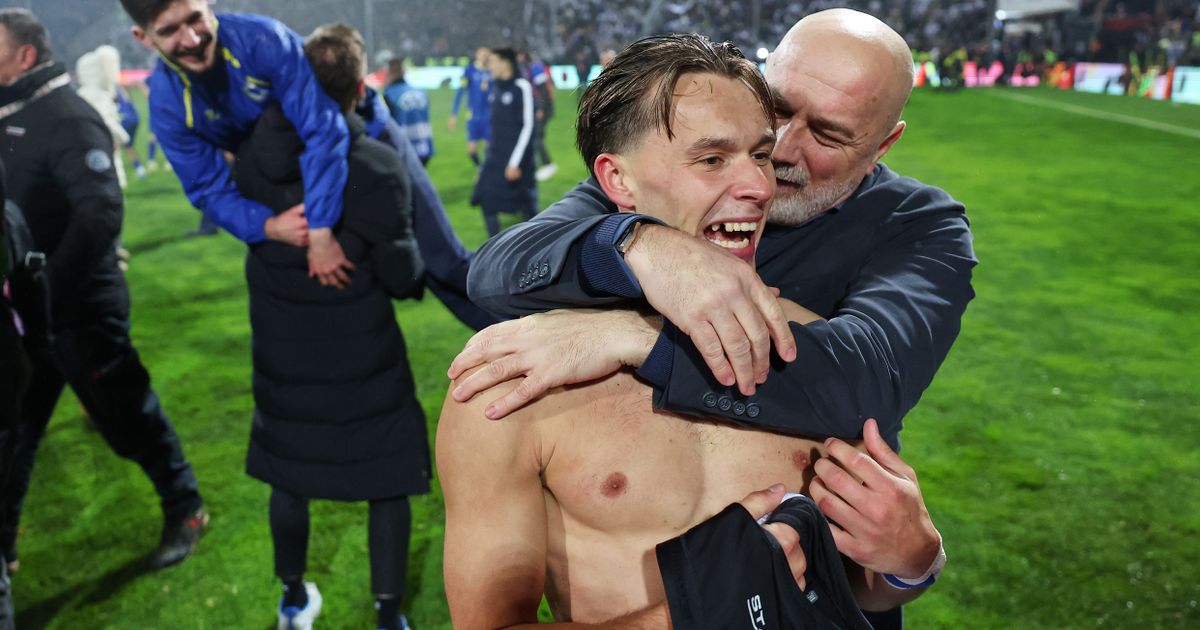
Bosnia and Herzegovina secured World Cup qualification by defeating Italy in a playoff final in Zenica that finished 1-1 after regular and extra time and was decided 4-1 on penalties, a core narrative shared across both opposition and pro-government coverage. Both sides agree this will be Bosnia and Herzegovina’s second World Cup appearance and that Italy, reduced to ten men after a first-half red card, nonetheless took the lead before Haris Tabaković equalized late in the second half, sending the match to extra time and then to a shootout in which Italian players missed twice while all Bosnian takers scored. Reports also concur that the match atmosphere in Zenica was electric, that celebrations erupted across cities like Sarajevo and Zenica and even beyond Bosnia’s borders, and that prominent figures such as Novak Djokovic attended, drawing loud applause and reinforcing the sense of regional magnitude around the result.
Across both sets of outlets, there is shared framing of the match as a historic and dramatic event in Bosnian football, often described as a “miracle” or unprecedented night in Zenica and as an achievement of major symbolic importance for a country with a turbulent past. Both opposition and pro-government media connect the victory to Bosnia and Herzegovina’s broader footballing trajectory, noting that it is the first World Cup qualification since the early 2000s and that the team will now face Canada, Qatar, and Switzerland in the group stage, bringing not only prestige but also substantial financial rewards in the form of FIFA prize money. They likewise situate the win within a pan-European playoff context, referencing parallel qualifiers involving Turkey, the Czech Republic, Denmark, Sweden, and Poland, and they agree that Italy’s third consecutive failure to reach a World Cup deepens the storyline of a fallen former powerhouse. There is also general alignment that this success briefly transcends ethnic and national divides in the region, as celebrations and media narratives highlight mixed-heritage players and staff, diaspora connections, and regional stars rallying behind the Bosnian team.
Hero focus and symbolism. Opposition-aligned outlets emphasize the collective effort of Bosnia and Herzegovina’s squad and the emotional catharsis for ordinary citizens, portraying the players primarily as representatives of a long-suffering public rather than as state or institutional symbols. Pro-government media, by contrast, heavily foreground coach Sergej Barbarez as a near-mythic figure whose mixed heritage and war-scarred personal story embody a reconciled, multiethnic Bosnia aligned with the current leadership’s narrative. While opposition sources briefly acknowledge Barbarez’s role, they are more likely to frame the win as a broader national moment and to avoid personal cult-building around him, whereas pro-government stories linger on his biography and the notion that his success vindicates the state and its protective role during and after the war.
Political ownership and nation-building. Opposition coverage tends to treat the qualification as a grassroots victory that belongs to fans and players rather than to political elites, often leaving politicians conspicuously in the background or implicitly contrasting popular joy with ongoing governance failures. Pro-government outlets, however, weave the achievement into a wider story of national progress and stability, underlining instances where the state allegedly protected Barbarez’s family, highlighting cross-border celebrations, and implying that such unity reflects successful nation-building under current authorities. Where opposition narratives hint that the euphoria is fleeting relief from chronic problems, pro-government narratives portray it as evidence that Bosnia is maturing institutionally and socially.
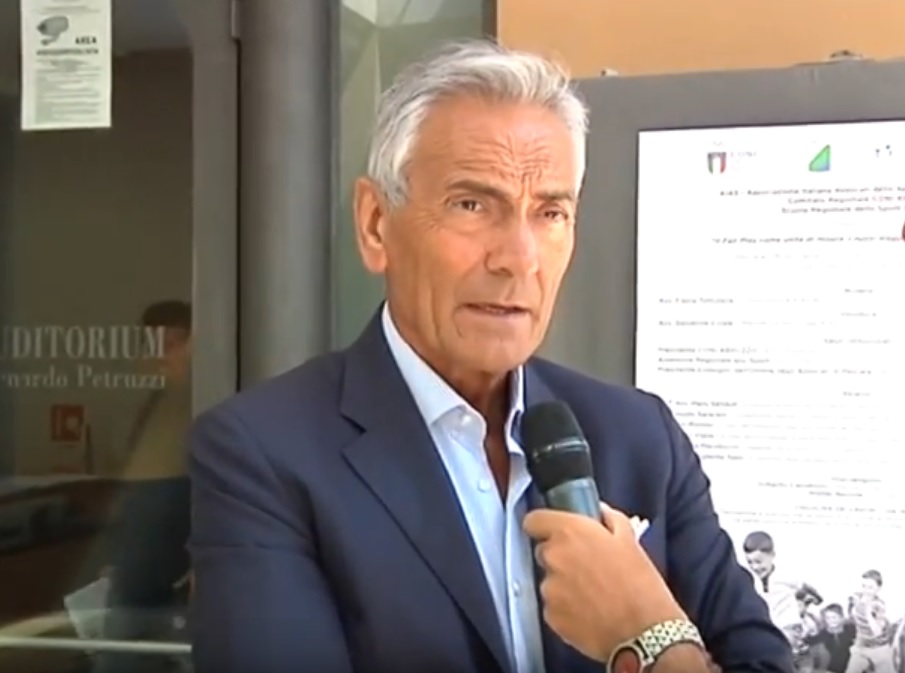
Framing Italy’s failure versus Bosnia’s rise. Opposition-aligned media often stress Italy’s humiliation and systemic crisis, underscoring the historic weight of a third consecutive World Cup absence and the turmoil within Italian football institutions, partly to amplify the scale of Bosnia’s achievement. Pro-government sources acknowledge Italy’s collapse but focus more on Bosnia’s resilience, tactical discipline, and mental strength in the shootout, casting the story less as Italy’s disaster and more as Bosnia’s deserved ascent. While opposition coverage may indulge in schadenfreude and highlight foreign criticism of Italy, pro-government reports prefer celebratory language that keeps Bosnia, not Italy, at the center of the narrative.
Economic and regional impact. Opposition outlets generally underplay the financial windfall and future commercial benefits, treating prize money and sponsorship opportunities as secondary to the emotional and sporting dimensions and occasionally gesturing at the risk of funds being mismanaged by existing structures. Pro-government media prominently foreground the millions of euros expected from qualification, new group-stage fixtures against Canada, Qatar, and Switzerland, and the marketing boost from global exposure, arguing that this will benefit the wider economy and showcase Bosnia positively abroad. Where opposition voices are more skeptical or silent on how these gains will be translated into broader public good, pro-government reporting tends to assume or assert that the current government and football authorities will channel the windfall into development and cohesion.
In summary, opposition coverage tends to frame the victory as a people-driven, cathartic upset that casts a shadow over foreign football elites and leaves domestic politics at arm’s length, while pro-government coverage tends to personalize the success around Barbarez and allied figures, highlight state-provided security and unity, and present the qualification as proof of broader institutional and national progress.