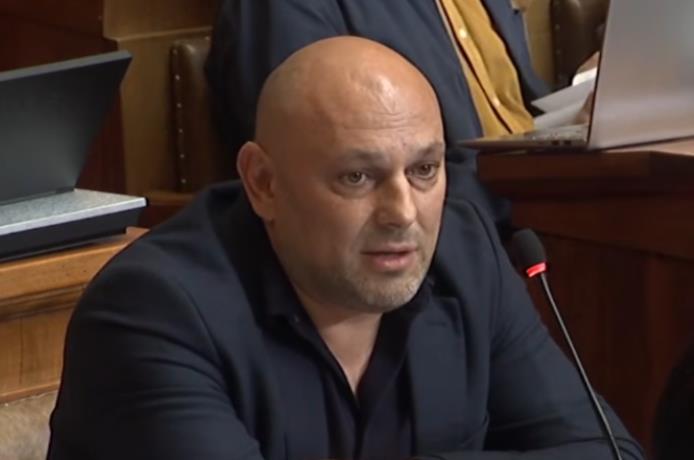
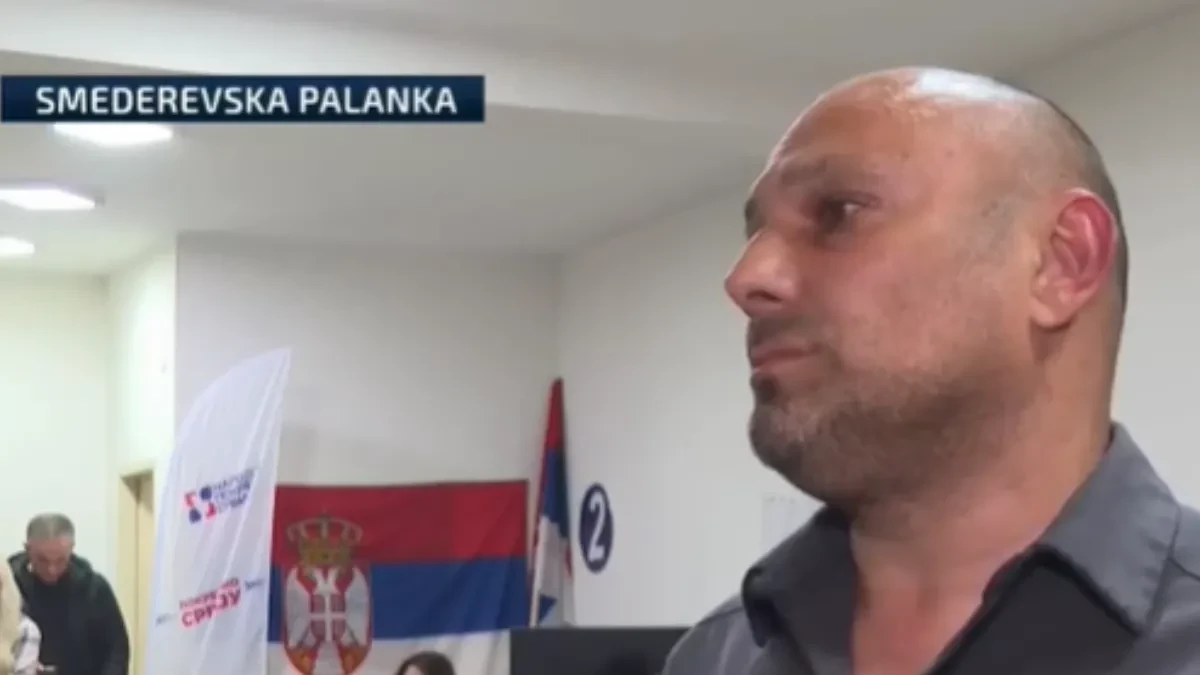
Opposition and pro-government outlets both report that a public dispute has erupted in Smederevska Palanka among opposition-aligned “blockaders” on election day, centering on relations between the local coalition “United for Palanka” and a separate student list. Across coverage, key facts match: student activists entered the race very late, roughly two days before the candidate list deadline, and positioned themselves as being “against everyone,” which hindered coordination with existing opposition structures. All sides agree that the student list’s leader simultaneously appeared on another list, and that this overlap and timing fueled mutual accusations and visible friction within the anti-government camp. The conflict is framed as taking place within the broader opposition landscape, not involving the ruling parties directly, and is tied to tactical decisions over coalition-building and ballot positioning rather than any single policy issue.
Outlets from both sides also agree that the dispute reflects deeper tensions inside the opposition over strategy, credibility, and how to organize local resistance to the national government. There is a shared picture of a fragmented opposition scene in Smederevska Palanka, with multiple lists, including right-center parties, monarchists, and student activists, each pursuing their own approach to confronting the authorities. Both perspectives describe students as having mobilized under a protest or “blockader” identity that emerged from wider demonstrations, and acknowledge that such movements have struggled to translate street activism into coherent electoral alliances. The coverage converges on the idea that the episode exemplifies long-standing challenges in building durable opposition fronts and that institutional rules around deadlines and list registrations can exacerbate existing divisions.
Areas of disagreement
Responsibility and blame. Opposition-aligned sources tend to portray the conflict as the product of entrenched party structures sidelining grassroots activists, suggesting that established local leaders mishandled outreach and unity talks with the students. Pro-government outlets, by contrast, place responsibility on the student list for entering too late, with unclear goals and a self-isolating “against everyone” stance that made cooperation impossible. While opposition narratives emphasize systemic exclusion and pressure in which missteps are understandable, pro-government narratives frame the students’ behavior as politically immature and evidence that the opposition cannot organize itself.
Characterization of the blockaders. Opposition coverage generally presents the blockaders as genuine civic activists and citizens frustrated with unfair electoral conditions, treating internal quarrels as growing pains of a broad democratic movement. Pro-government media depict them as fractious, opportunistic, or even confused actors who “got lost” in a failed coalition, using that phrase to imply weakness and incompetence. Where opposition outlets stress ideals and sacrifice behind the protests, pro-government reports highlight disunity, suggesting that the blockaders are more interested in internal fights than in coherent programs.
Framing of the failed coalition. From the opposition side, any mention of a “failed coalition” is usually contextualized by arguing that regime-controlled conditions, media imbalance, and legal hurdles make broad alliances difficult, so electoral underperformance should not be read as a lack of public support. Pro-government outlets, however, stress the coalition’s failure as purely self-inflicted, arguing that constant splits, contradictory lists, and solo runs prove that opposition actors cannot agree even among themselves. Opposition narratives treat the coalition’s fate as part of a broader struggle under adverse conditions, while pro-government narratives treat it as proof that anti-government forces are structurally incapable of forming a credible alternative.
Implications for national politics. Opposition-oriented media tend to minimize the broader damage of this local quarrel, framing it as one episode in a long campaign where lessons will be learned and future coordination improved at higher electoral levels. Pro-government outlets use the incident to generalize about the entire opposition landscape, arguing that similar disputes at the local level mirror national dysfunction and show that the ruling party remains the only stable governing option. Thus, opposition narratives cast the Palanka dispute as a correctable tactical error, whereas pro-government narratives elevate it into a symbol of the opposition’s chronic disarray.
In summary, opposition coverage tends to cast the Smederevska Palanka dispute as an internal growing pain of a besieged but legitimate protest movement learning how to contest elections, while pro-government coverage tends to present it as clear evidence that opposition blockaders are disorganized, self-sabotaging, and unfit to offer a serious alternative.