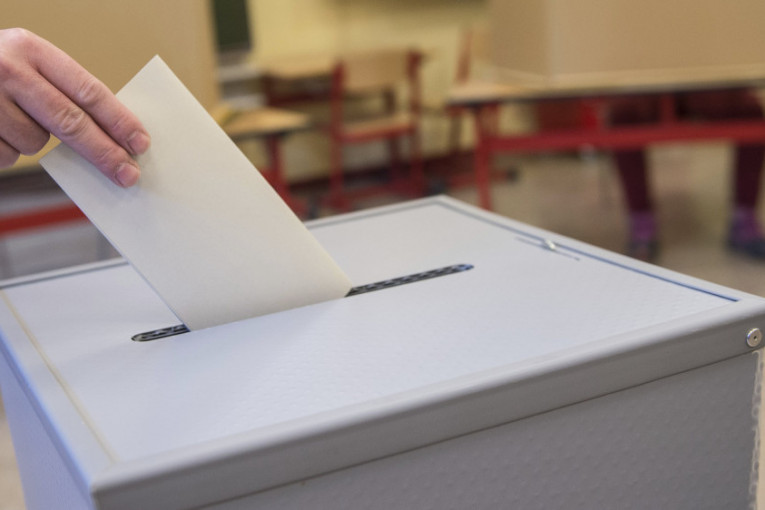
Local elections are being held on March 29 in ten Serbian municipalities and cities, with both opposition and pro-government outlets agreeing on the basic scope and logistics. They report that voting runs from 7 AM to 8 PM, with citizens already at polling stations at closing time allowed to cast their ballots, and that the contests concern the composition of local assemblies and municipal authorities. The ten local self-government units frequently named are Bor, Smederevska Palanka, Knjaževac, Bajina Bašta, Sevojno, Lučani, Majdanpek, Aranđelovac, Kladovo, and Kula, and roughly a quarter of a million citizens appear on the voter rolls. Both sides also note that preliminary and final results are to be announced in the days following the vote, within a legally prescribed timeframe.
Coverage from both camps situates the elections within Serbia’s established framework for managing the Unified Voters Register, overseen at the national level by the Ministry of Public Administration and Local Self-Government. They highlight that institutional mechanisms are in place for citizens to verify and correct their entries in the voters list, including special phone lines and other channels, with the stated aim of ensuring the accuracy of voter data ahead of and during election day. Both acknowledge that these local elections form part of the broader sequence of electoral events in Serbia and are conducted under the same electoral rules governing local assemblies, including thresholds, list-based competition, and centralized reporting procedures.
Areas of disagreement
Significance and framing of the elections. Opposition-aligned outlets tend to present the March 29 contests as one in a series of local elections whose significance lies mainly in the integrity of the process, keeping the focus on technical safeguards like voter list access rather than political momentum. Pro-government media, by contrast, frame the same elections as a major democratic exercise for about 248,000 citizens, emphasizing the breadth of participation, the number of lists, and the importance of choosing stable local authorities. While opposition sources keep the tone restrained and procedural, pro-government outlets use more expansive language to underscore the vitality of the electoral process and its reflection of popular support.
Institutional trust and safeguards. Opposition coverage highlights the ministry’s decision to open telephone lines for voter list inquiries as a necessary transparency tool, implicitly addressing public doubts about the completeness and accuracy of the Unified Voters Register. Pro-government outlets also mention institutional procedures but fold them into a narrative of routine, well-organized elections, stressing that voter rolls, polling stations, and reporting deadlines function smoothly. Opposition sources implicitly question whether institutional safeguards fully resolve concerns about irregularities, whereas pro-government media present these measures as confirmation that the state reliably protects voting rights.
Emphasis on citizen experience versus administrative detail. Opposition media focus on citizen access to information about their voter registration, underscoring practical steps individuals can take if they suspect errors in the list. Pro-government coverage instead concentrates on the administrative and numerical dimensions of the election day itself, such as the number of polling stations, council seats, and eligible voters, portraying the process as orderly and comprehensive. The former centers the voter’s interaction with state systems, while the latter centers the state’s capacity to organize and manage the vote at scale.
Political stakes and outcomes. Where opposition-aligned reporting tends to downplay the political drama of these ten local races, treating them more as procedural checkpoints in a broader struggle over electoral fairness, pro-government outlets subtly present the elections as an affirmation of existing institutions and, by implication, the governing majority’s local strength. Opposition sources are more likely to hint that the real issue is whether rules are applied fairly and consistently, not which party wins how many mandates. Pro-government coverage, conversely, treats the outcomes as normal and expected expressions of voter will, fitting into a narrative of continuity and stability at the local level.
In summary, opposition coverage tends to stress procedural safeguards, voter list transparency, and a cautious framing of the elections’ political weight, while pro-government coverage tends to emphasize high participation numbers, smooth administration, and the elections as a positive validation of existing institutions and local authorities.