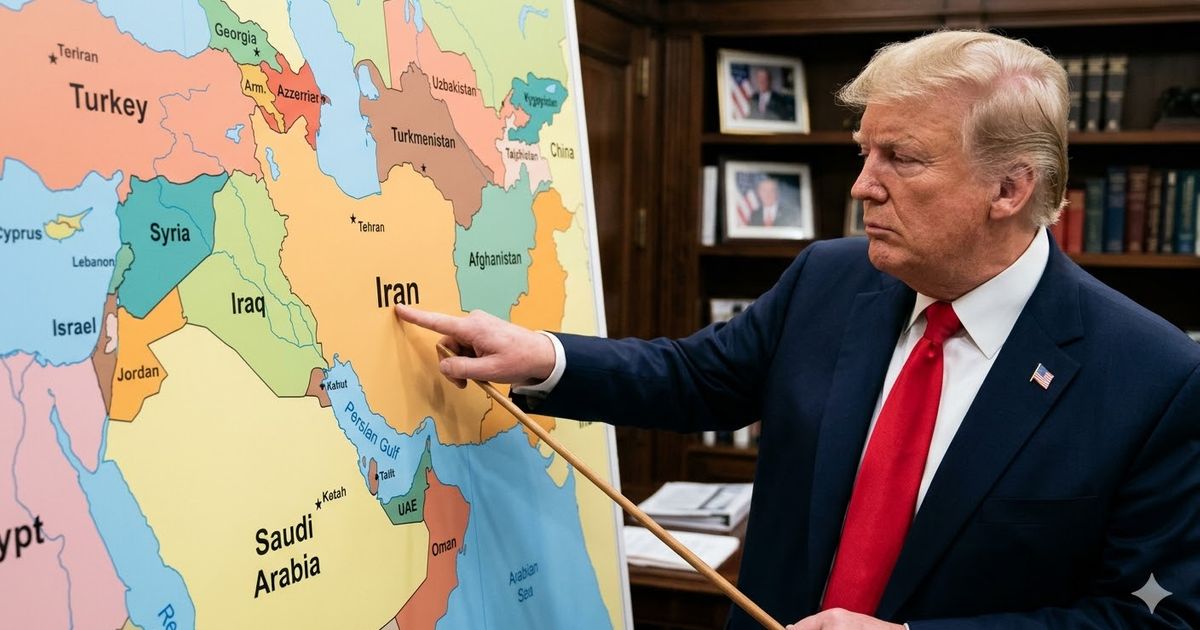

The opposition and pro-government outlets agree that the United States has put forward a 15-point proposal aimed at securing a ceasefire and broader peace framework with Iran, and that the offer is being relayed through intermediaries rather than direct US-Iran talks. Both sides report that Pakistan is a key mediator, with some mention of Egypt and Turkey as additional facilitators, and that Islamabad is under consideration as the venue for a potential peace summit where the 15-point plan would be discussed, though Iran has not committed to attendance. They concur that the plan is framed as a US attempt to open a negotiated track even as military tensions remain high, that top-level Iranian approval would ultimately be required, and that no immediate breakthrough is expected even if talks proceed.
Coverage from both camps situates the 15-point proposal within a longer pattern of US-Iran confrontation and intermittent diplomacy, emphasizing the role of regional states such as Pakistan, Egypt, and Turkey as channels when direct dialogue is blocked. They agree that institutional actors on all sides—the US administration and military, Iran’s supreme religious authority and armed forces, and Israel as a close US ally—shape the constraints on any peace initiative. Both portray the proposed summit as part of broader efforts to manage escalation in the Middle East rather than a standalone event, and acknowledge that domestic politics and leadership dynamics in Tehran and Washington will heavily influence whether the process advances beyond the initial offer.
Areas of disagreement
Nature of the initiative. Opposition-aligned sources characterize the 15-point plan as a tactical ceasefire proposal overshadowed by simultaneous US military moves, such as relocating a parachute unit to the region, implying a coercive or pressure-based diplomacy. Pro-government outlets instead describe it as a potentially historic, game-changing peace initiative, highlighting the breadth of the 15 points and casting it as a comprehensive agreement rather than a narrow truce. While opposition reporting stresses continuity with past US pressure campaigns, pro-government coverage frames the plan as a bold diplomatic reset with transformative potential.
Military posture and timing. Opposition coverage emphasizes that the US is ramping up its military presence in the Middle East at the very moment it is advancing the 15-point plan, suggesting the proposal is backed by or even masked by a threat of force. Pro-government sources downplay or omit the US force movements and instead focus on the choreography of summit preparation, dates, and locations, presenting diplomacy as the center of gravity. Thus, opposition outlets see a dual-track strategy of talks under the gun, while pro-government outlets foreground a diplomatic track that appears less encumbered by military escalation.
Iran’s stance and agency. Opposition outlets stress that Iranian military leaders have already rejected diplomatic efforts and are continuing or launching new attacks, implying Tehran is dismissive of the plan and contributing to ongoing instability. Pro-government coverage, by contrast, portrays Iran as still undecided, noting that attendance at the proposed Islamabad summit has not been confirmed and that the final decision rests with the supreme religious leader, whose reported injury and absence complicate the timeline. In this telling, opposition sources present Iran as obstructive and actively hostile to the initiative, while pro-government outlets depict Iran as a cautious but potential participant constrained by internal leadership dynamics.
Prospects and expectations. Opposition-aligned reporting suggests that, given Iran’s rejectionist rhetoric and ongoing attacks, the chances of rapid de-escalation are slim and the 15-point proposal may function more as signaling than as a realistic pathway to peace. Pro-government outlets acknowledge that US and Israeli officials do not foresee an immediate end to the conflict but still frame the prospective summit and leaked plan as a major diplomatic opportunity that could eventually alter the course of the crisis. As a result, opposition coverage projects skepticism about the plan’s effectiveness, whereas pro-government coverage maintains a more optimistic narrative about its longer-term potential despite anticipated lengthy negotiations.
In summary, opposition coverage tends to cast the 15-point plan as a constrained, pressure-laden diplomatic move overshadowed by military escalation and Iranian rejection, while pro-government coverage tends to present it as a potentially historic peace initiative centered on a forthcoming summit and shaped by high-stakes but ultimately promising negotiations.