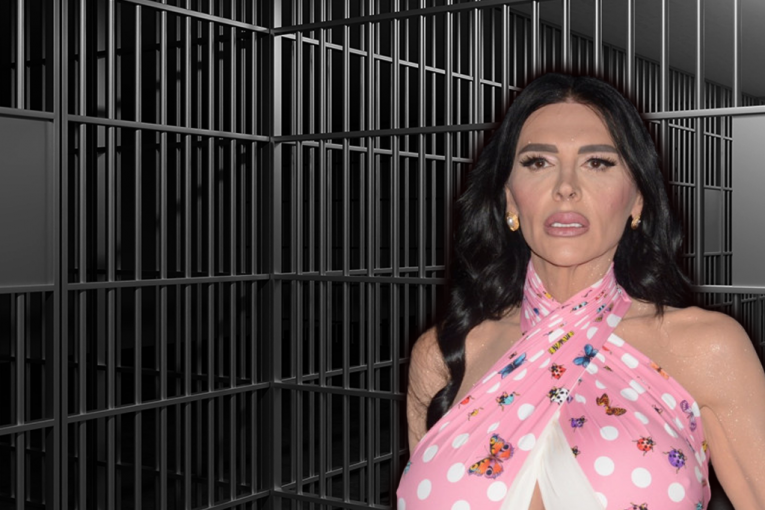


Transgender singer Elektra Elit, a well‑known public figure, has posted a video from outside the detention facility where she spent roughly seven months in custody, with some pro‑government outlets specifying "seven months and four days." Both opposition and pro‑government coverage agree that the video shows her standing by the bars of the prison, describing the place where she was held, and that she addresses viewers directly after her release. They also concur that she thanks her supporters, friends, and family, with particular emphasis on her children and their mother, and that the video has drawn significant attention on social networks and entertainment portals.
Across the spectrum, outlets point to her release as relatively recent and link the prison video to a broader narrative of her post‑custody life. Both sides note that, in addition to the video, she has publicly signaled a major personal milestone by appearing in a wedding dress and indicating she has married, with the groom remaining largely unknown to the public. Coverage also aligns on the idea that her case touches on wider issues of how transgender public figures are treated in the justice and media systems, and that her experience has become part of an ongoing conversation about detention, celebrity, and social attitudes toward gender minorities.
Areas of disagreement
Tone and framing of detention. Opposition outlets tend to describe her seven‑month custody as an injustice or disproportionate measure, speaking of time "robbed" from her life and stressing the harshness or arbitrariness of the system. Pro‑government outlets, while using dramatic tabloid language about the "blood‑chilling" bars, generally frame the custody as a fait accompli legal process without directly questioning the authorities' decisions. Opposition sources more often embed the video in a narrative of state overreach, whereas pro‑government coverage focuses on the emotional spectacle and personal drama.
Portrayal of Elektra Elit. Opposition media are more likely to present Elektra Elit as a victimized artist and a symbol of broader discrimination against transgender people, highlighting her resilience and framing her as a protagonist in a struggle with institutions. Pro‑government outlets emphasize her as a sensational celebrity figure, foregrounding her looks, wedding dress, and mysterious spouse, with less focus on her transgender identity as a political or rights issue. While both note her gratitude toward family and fans, opposition pieces use it to humanize her in the face of systemic pressure, whereas pro‑government pieces use it to reinforce celebrity‑style narrative arcs.
Political and institutional context. Opposition outlets connect her detention and release to perceived flaws in the judiciary and law enforcement, suggesting that her case illustrates selective or biased application of the law, especially toward marginalized groups. Pro‑government coverage generally avoids systemic critique, treating courts and police as neutral background actors and leaving the reasons for her detention vague or depoliticized. Opposition narratives therefore situate the video as implicit testimony against institutional abuse, while pro‑government narratives present it as a personal story of ordeal and comeback without challenging state structures.
Public reaction and societal implications. Opposition sources highlight reactions from activists, human rights advocates, and segments of the public who interpret her story as evidence of entrenched prejudice and the need for reforms in how detainees, especially transgender individuals, are treated. Pro‑government outlets stress curiosity, gossip, and fascination with her wedding and love life, framing public interest as entertainment rather than as a catalyst for political debate. As a result, opposition coverage treats her video and marriage as touchpoints in a discussion about rights and stigma, while pro‑government coverage treats them as the latest twists in a celebrity saga.
In summary, opposition coverage tends to cast Elektra Elit’s prison video and post‑release life as evidence of systemic injustice and discrimination that demands scrutiny of institutions, while pro‑government coverage tends to treat the same events as emotionally charged but apolitical celebrity drama centered on spectacle, romance, and personal gratitude.