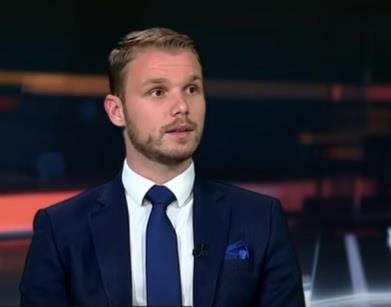

Draško Stanivuković, mayor of Banja Luka, was stopped by Croatian police at the Stara Gradiška border crossing on his way back to Bosnia and Herzegovina, held for around 15 hours, and then released. Both opposition and pro-government accounts agree that his mobile phone and documents were taken, that some of his associates were turned back toward Croatia rather than being allowed to proceed with him, and that he has been subjected to repeated checks and detentions at Croatian border points over the past two months, with neither side reporting that any criminal charges or contraband were found. They also concur that Stanivuković publicized the incident himself only after photographs from the scene appeared, and that subsequent political reactions in Bosnia and Herzegovina and Republika Srpska quickly framed the episode in broader cross-border and ethnic-political terms.
Across the spectrum, coverage situates the episode within the complex institutional setup of Bosnia and Herzegovina, where state-level border policy formally falls under central authorities but practical leverage is often asserted by Republika Srpska leaders, and where relations with neighboring Croatia are highly sensitive. Both sides reference Stanivuković’s public positioning as a Serbian politician advocating the rights and return of Serbs in regions of Croatia such as Lika and Dalmatia, and note that this advocacy, his party activity through the Sigurna Srpska initiative, and ongoing regional tensions over wartime legacies provide the backdrop for how the border actions are interpreted. Outlets from both camps also acknowledge that Croatian institutions have not offered a detailed public explanation of the grounds for his repeated detentions, and that leading RS figures, including Milorad Dodik and PDP representatives, used the case to call for reciprocal measures, protest notes, and stronger protection of citizens at the borders.
Areas of disagreement
Motive and responsibility. Opposition-aligned sources tend to portray the Croatian authorities’ behavior as politically motivated harassment directly linked to Stanivuković’s support for Serbs in Croatia and, by extension, as a symptom of broader EU double standards. Pro-government outlets, while echoing the claim of systematic mistreatment, more strongly stress Croatia’s institutional responsibility and frame it as an abuse of border-control mechanisms rather than a personal vendetta against Stanivuković alone. Opposition media are more likely to implicate both Zagreb and Sarajevo, criticizing Bosnia and Herzegovina’s central institutions for passivity, whereas pro-government media foreground Croatian wrongdoing and highlight Republika Srpska leaders as the main defenders of citizens’ rights.
Role of Republika Srpska leadership. In opposition coverage, Dodik’s reaction is treated with skepticism, often depicted as political opportunism that exploits Stanivuković’s ordeal for nationalist posturing while offering little concrete protection or solutions. Pro-government outlets, on the other hand, emphasize Dodik’s swift condemnation and his threats of reciprocal measures as evidence of responsible leadership and a firm stance in defending RS citizens at the border. Opposition sources are more inclined to credit Stanivuković’s own diplomacy and restraint for preventing escalation, while pro-government narratives present Dodik and the ruling SNSD as the key actors capable of forcing Croatia to change course.
Framing of Stanivuković’s conduct. Opposition-oriented media tend to highlight Stanivuković as a victim of both Croatian pressure and domestic power struggles, underscoring his repeated detentions as a price for independent or reformist politics that sometimes clashes with the RS establishment. Pro-government narratives, especially those close to RS authorities, stress his calm, statesmanlike tone, his emphasis on cultural respect and cooperation, and his refusal to respond with anger, implicitly aligning him with the broader RS diplomatic line. While opposition outlets may underline his critique of all institutions that stayed silent, pro-government outlets selectively amplify his criticism of Croatia and his support for Serb communities, downplaying any implicit rebukes of RS or BiH authorities.
International and regional implications. Opposition coverage typically connects the incident to Croatia’s EU and NATO status, arguing that such behavior toward an elected official exposes Western partners’ tolerance of discriminatory practices and weakens their moral authority in the region. Pro-government outlets more often present the episode as a bilateral RS–Croatia issue, focusing on reciprocity and sovereign responses rather than on appeals to Brussels or international watchdogs. Opposition media invoke regional cooperation in terms of democratization and equal treatment across borders, whereas pro-government media frame cooperation as contingent on Croatia’s respect for RS citizens and its cessation of alleged abuses.
In summary, opposition coverage tends to use the incident to criticize both Croatian authorities and domestic power structures for politicized border abuse and institutional silence, while pro-government coverage tends to foreground Croatian misconduct, showcase RS leadership as a strong protector of citizens, and cast the episode primarily as a bilateral sovereignty and reciprocity dispute.
Story coverage