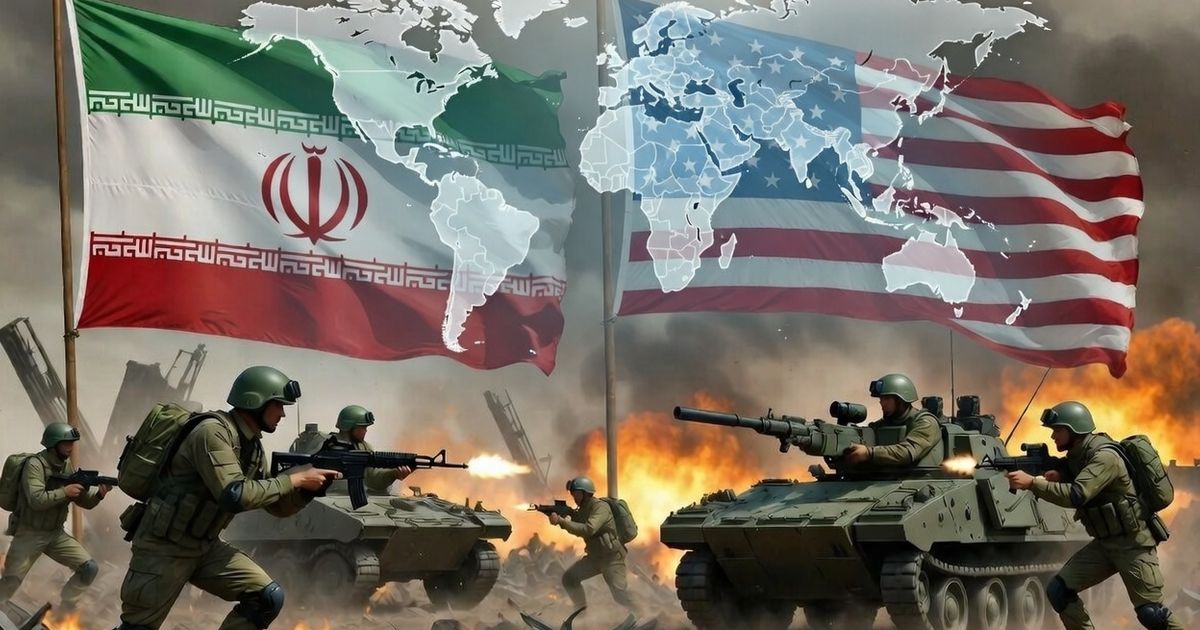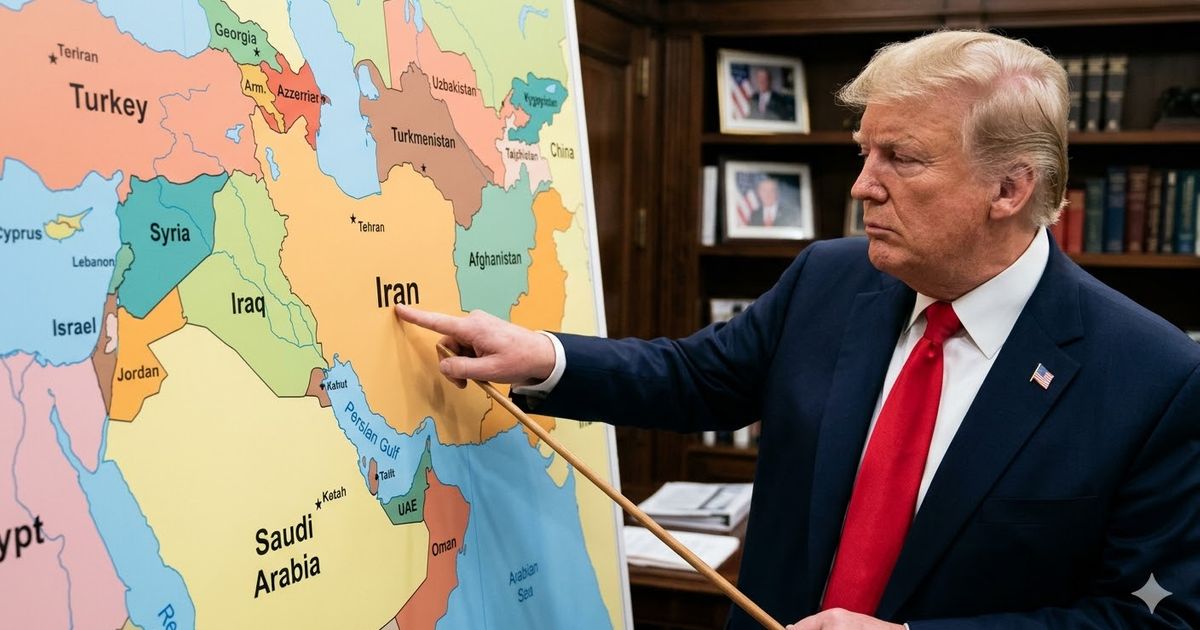


Reports from both opposition and pro-government outlets agree that Washington has circulated a proposed 15-point framework aimed at ending the current US-Iran conflict and addressing Iran’s nuclear program. They concur that US officials, led by Donald Trump, are floating the possibility of a ceasefire or end-of-war understanding on or around a specific target date, reported as April 9 by Israeli media, and that mediators including Pakistan, Egypt, and Turkey are involved in backchannel or preparatory diplomatic efforts for a possible summit in Islamabad. Both sides acknowledge that Iranian officials, especially the parliamentary speaker Mohammad Bagher Ghalibaf, have publicly and repeatedly denied the existence of formal negotiations with the United States, labeling at least some of the reports about talks or draft agreements as fake news. They also agree that these diplomatic signals are unfolding amid ongoing military escalation, including joint US-Israeli operations and Iranian retaliatory attacks, which have not yet definitively ceased.
Across outlets, there is shared recognition that the dispute centers on Iran’s nuclear ambitions, regional military activities, and the broader structure of US sanctions and security guarantees in the Middle East. Both opposition and pro-government sources describe a highly sensitive environment in which market volatility, especially in oil and financial markets, responds immediately to any hint of a breakthrough or breakdown in talks. They also converge on the point that any agreement would require buy-in from Iran’s top leadership, including the supreme leader, and that questions about his health, availability, or political will are directly relevant to whether a summit in Islamabad—or anywhere else—can take place. Finally, all sides treat the current moment as a potential inflection point with implications not only for US-Iran relations but also for regional alignments, the role of mediating states like Pakistan and Turkey, and the internal political balance within Iran between those advocating resistance and those open to negotiation.
Areas of disagreement
Status of negotiations. Opposition-aligned sources generally portray the 15-point plan and summit talk as largely aspirational, emphasizing Iran’s categorical denial of negotiations and suggesting that any channels are informal, coercive, or not yet amounting to real talks. Pro-government outlets, by contrast, highlight Trump’s assertions that an agreement on 15 key points has already been reached in principle, framing this as evidence that negotiations are substantively underway despite Tehran’s public denials. While the opposition stresses ambiguity and the possibility of diplomatic theatrics, pro-government coverage leans toward depicting a concrete, imminent deal-in-the-making.
Initiative and leverage. Opposition media tend to argue that Washington is pushing for talks because its military campaign is costly, politically controversial, or strategically inconclusive, casting the US as seeking a face-saving off-ramp. Pro-government outlets present the opposite narrative, claiming Iran approached or responded to Washington under pressure from US threats against its energy infrastructure, thereby portraying the US as holding the upper hand. In this framing, opposition coverage underscores American overreach and vulnerability, while pro-government coverage emphasizes American deterrent power and Iranian compulsion.
Economic and market implications. Opposition sources often warn that talk of a 15-point agreement and imminent peace is being used to manipulate oil and financial markets, echoing Iranian officials’ claims that rumors are designed to move prices and distract from on-the-ground realities. Pro-government accounts instead embrace Trump’s suggestion that a successful deal would cause global prices, especially energy prices, to fall sharply and rapidly, presenting it as a boon for consumers and evidence of effective deal-making. Thus, while opposition coverage is suspicious of market-related messaging and sees it as possibly deceptive, pro-government coverage highlights potential economic windfalls as a selling point of the negotiations.
Political consequences inside Iran. Opposition-aligned outlets are inclined to interpret any prospective agreement as potentially stabilizing the Iranian leadership by easing external pressure while not fundamentally changing its behavior, sometimes hinting that regime change claims are overstated. Pro-government sources, however, amplify Trump’s remarks that the deal could trigger significant regime change or at least major internal realignments in Iran, tying the diplomatic track to broader transformation and possible weakening of hardline elements. Where the opposition narrative questions whether talks would alter Iran’s internal power structure, the pro-government narrative presents the negotiations themselves as a lever for internal change.
In summary, opposition coverage tends to cast the reported US-Iran peace framework as tentative, market-sensitive, and possibly inflated diplomatic theater with limited real leverage over Iran’s power structure, while pro-government coverage tends to depict it as a substantive, US-driven 15-point agreement process that is already pressuring Tehran, promising economic benefits, and potentially reshaping Iran’s regime.
Story coverage