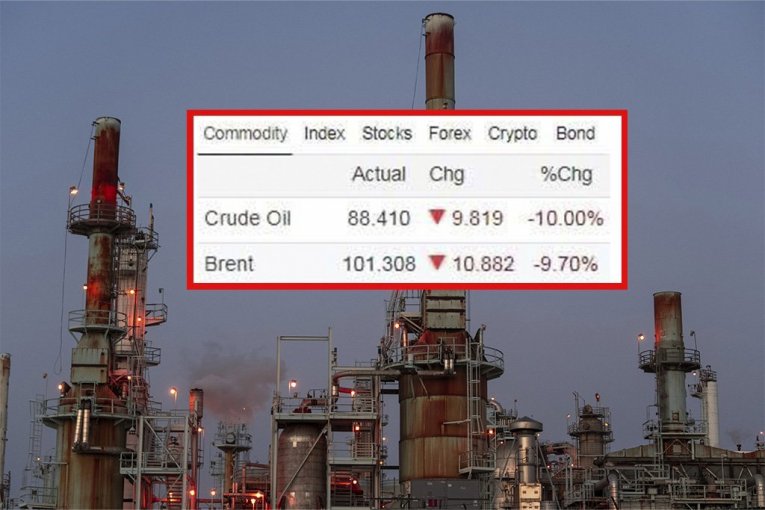


Trump’s announcement centers on a five-day suspension of planned US attacks on Iran’s energy infrastructure and power plants, framed as a pause ordered after what he described as productive talks with Iranian interlocutors over the previous two days. Both opposition and pro-government sources agree on the core timeline and content: Trump had earlier threatened to destroy Iranian power facilities if Tehran did not open the Strait of Hormuz within 48 hours, then publicly declared that no attacks would occur over the next five days while negotiations continued. They also converge on the observable market impact, noting that oil prices fell by roughly 10 percent and that major US stock index futures rose sharply in response, reflecting reduced expectations of immediate disruption to Middle Eastern energy supplies.
Across the spectrum, coverage highlights that the suspension is explicitly conditional and linked to ongoing diplomatic efforts to ease broader hostilities in the Middle East, especially around shipping lanes such as the Strait of Hormuz. Reporting consistently notes that Trump presents the talks as part of an intensive process aimed at a more comprehensive settlement of US-Iran tensions and, potentially, a broader shift in Iran’s behavior or regime orientation. Both sides also mention international reactions, including European support for avoiding strikes on energy infrastructure and fears that attacks on power plants could trigger wider regional escalation, such as retaliatory strikes on Israeli facilities or even a US ground operation targeting strategically important locations like Khark Island.
Areas of disagreement
Nature of the talks and credibility. Opposition-aligned outlets tend to frame Trump’s claim of “productive” or “intensive” talks with Iran as unverified and potentially misleading, amplifying Tehran-linked denials such as those from Fars News that any real negotiations are underway. Pro-government coverage generally takes Trump’s description at face value, portraying the communication as genuine back-channel or direct diplomacy that has already produced tangible de-escalation. Where opposition voices question whether the announcement masks a climbdown from earlier threats, pro-government outlets emphasize the talks as a sign of Trump’s negotiating skill and strategic leverage.
Motivations behind the suspension. Opposition coverage is more likely to cast the five-day pause as reactive, describing it as a “panic message” to calm jittery markets and walk back a risky escalation that had spooked investors and allies. Pro-government reporting instead foregrounds Trump’s stated rationale of creating space for a comprehensive peace arrangement and preventing chaos from infrastructure attacks, suggesting a calculated move to secure both regional stability and economic benefits. The former sees domestic political and market pressure as the key drivers, while the latter stresses strategic foresight and an effort to avoid unnecessary war.
Economic and market framing. Opposition-aligned sources often stress that markets are responding to the volatility created by Trump’s own threats and abrupt reversals, arguing that the price swings reveal policy incoherence and heightened global risk. Pro-government outlets highlight the sharp drop in oil prices and surge in equity futures as evidence that Trump’s announcement reassured investors and immediately lowered perceived supply risks. Whereas critics underline systemic uncertainty and the possibility of renewed spikes if talks fail, supportive coverage emphasizes the administration’s ability to move markets in a stabilizing direction through decisive announcements.
Regional risk and escalation dynamics. Opposition coverage tends to focus on the underlying danger that US threats against Iran’s energy sector—and Iran’s pledges to strike Israeli power plants or strategic assets in response—could spiral into a broader conflict, portraying the pause as a temporary reprieve in a still-volatile situation. Pro-government narratives more often stress that the suspension itself reduces the likelihood of escalation and showcases responsible restraint by Washington, with mentions of EU approval used to bolster that framing. Critics highlight the possibility of future flashpoints, including talk of a potential US ground operation to seize key oil export hubs, while supporters underscore that conditioning attacks on negotiation outcomes is a way to channel pressure into diplomacy rather than open war.
In summary, opposition coverage tends to question the authenticity of talks, portray the pause as a reaction to self-inflicted risk and market panic, and emphasize the persistent danger of escalation, while pro-government coverage tends to treat the negotiations as real, cast Trump’s move as strategically planned de-escalation that stabilizes markets, and stress his role in averting a wider regional conflict.
Story coverage