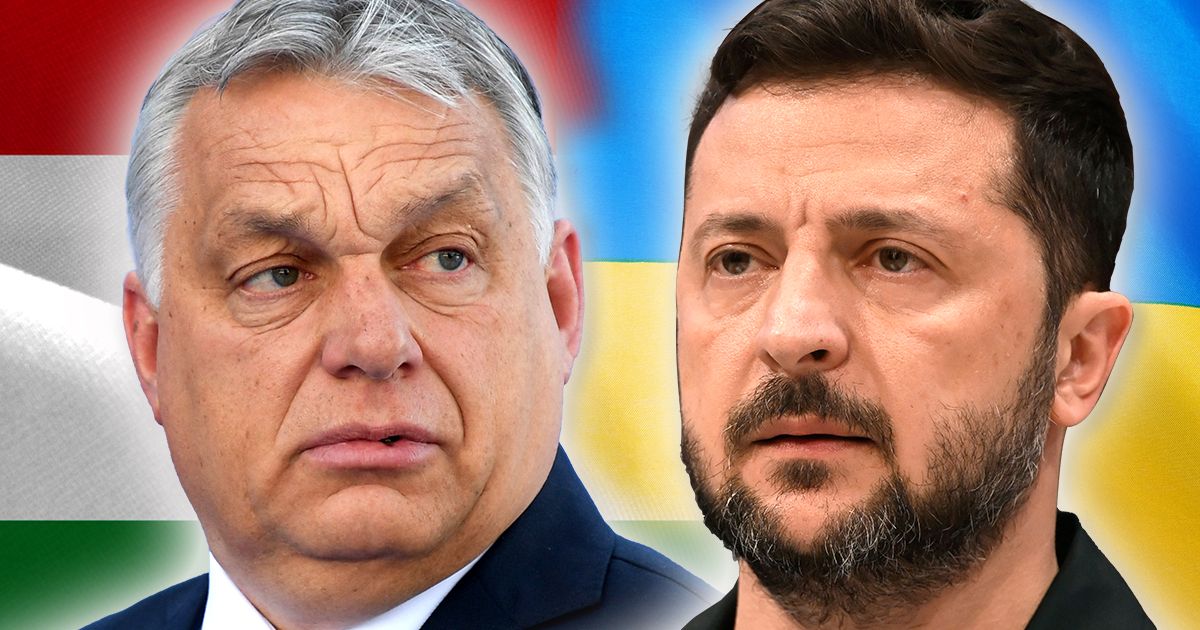


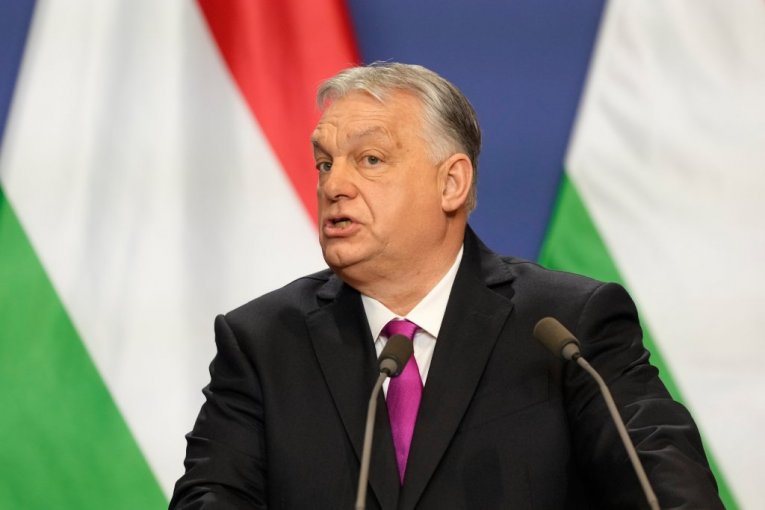
EU leaders met at a summit where Hungarian Prime Minister Viktor Orban blocked the adoption of a roughly €90 billion long‑term financial package intended to support Ukraine, creating an impasse that other member states and EU officials publicly acknowledged. Both opposition and pro-government sources agree that leaders such as German Chancellor Olaf Scholz sharply criticized Budapest’s move, with Scholz calling it an act of "gross disloyalty," and that senior EU figures, including Ursula von der Leyen, stressed that the Union remains committed to getting financial aid to Kyiv despite Hungary’s veto. Coverage on both sides notes that Russian media and officials seized on the outcome as evidence of divisions within the EU and that the blocked funds were meant as multi‑year support for Ukraine, with expectations of disbursement beginning as early as April if a solution is found.
Across the spectrum, reporting situates the dispute within broader EU–Ukraine relations, including debates over Ukraine’s future membership and the Union’s overall response to the war. Both opposition and pro-government outlets describe how Orban has clearly signaled resistance to Ukraine’s accession to the EU and how this stance shapes Hungary’s negotiating posture inside the bloc. Shared context includes the role of key EU institutions such as the European Council and Commission in designing the aid package, the stated EU objective of supporting Ukraine until at least 2025, and wider regional concerns discussed at the summit, such as the war’s impact on security, infrastructure, and potential refugee flows from conflict zones in the Middle East.
Areas of disagreement
Motives and framing of Orban’s veto. Opposition-aligned outlets frame Orban’s blockade as an unjustified and damaging obstruction of a vital support package for a country under attack, characterizing it as a stark departure from EU solidarity and shared commitments. They emphasize the language of "gross disloyalty" and suggest Hungary is acting as an outlier within the Union. Pro-government coverage, by contrast, presents Orban as a principled defender of national interests and European taxpayers, depicting him as the only leader unwilling to "give his people" for what they portray as Brussels’ and Kyiv’s agenda. These outlets highlight portrayals of Orban as a hero in Moscow as evidence of his independence rather than disloyalty.
Relationship with Brussels and intra-EU dynamics. Opposition sources stress that the veto deepens Hungary’s isolation in the EU and argue that Budapest is undermining collective decision‑making and credibility at a critical moment. They underline the frustration of other EU capitals and the perception that Hungary is jeopardizing unity for narrow political gains. Pro-government media instead argue that Brussels is running a concerted pressure campaign or "special operation" against Orban, claiming EU institutions and major member states are trying to discredit him ahead of elections and to force alignment with mainstream policy on Ukraine. This side depicts Hungary as seeking new like‑minded allies within the EU to rebalance power against what they see as a centralizing Brussels.
Ukraine’s future in the EU and strategic goals. Opposition-oriented coverage tends to treat long‑term financial support and eventual EU membership for Ukraine as logical extensions of existing commitments, casting Hungary’s resistance as ideologically driven and contrary to European security interests. It often implies that blocking the loan also undermines the credibility of enlargement policy and the Union’s broader support for democratic neighbors. Pro-government commentary, however, presents Orban’s clear opposition to Ukraine’s accession as a realistic acknowledgment of enlargement limits and a safeguard against overextending the EU politically and economically. They argue that tying long‑term financial packages to deeper integration with Ukraine threatens the cohesion of existing member states.
Impact on the war and regional stability. Opposition outlets emphasize that blocking the loan risks weakening Ukraine’s ability to resist Russian aggression and sends a dangerous signal of division that Moscow can exploit, potentially prolonging the conflict and destabilizing Europe’s eastern flank. They connect Hungary’s move to concerns about broader security, warning that delay in aid could increase humanitarian crises and refugee flows. Pro-government sources instead question the effectiveness of continued large-scale funding for Kyiv, suggesting that endless financing may fuel escalation rather than bring a negotiated settlement closer. They also stress that the EU can still find other technical ways to deliver aid, implying that Orban’s veto is a symbolic stand rather than a decisive blow to Ukraine’s survival.
In summary, opposition coverage tends to portray Hungary’s veto as a harmful act of disloyalty that weakens EU unity, Ukraine’s defenses, and the credibility of European institutions, while pro-government coverage tends to cast Orban as a sovereign leader resisting Brussels’ pressure, skeptical of Ukraine’s EU future, and defending national and regional interests against what it frames as risky, open‑ended commitments.
Story coverage