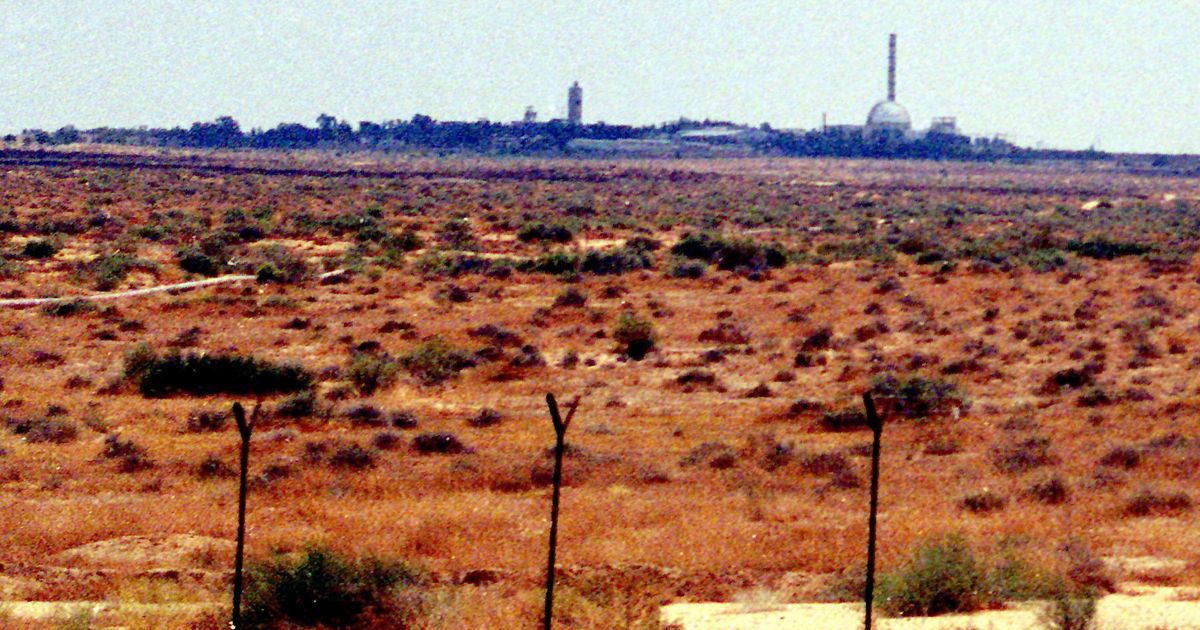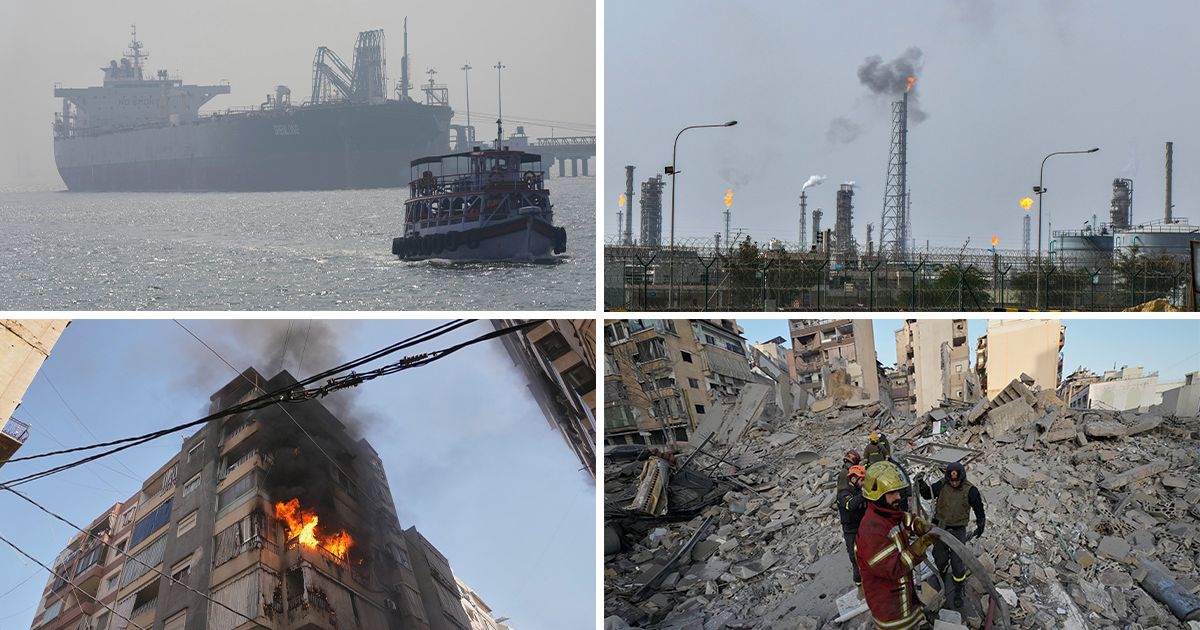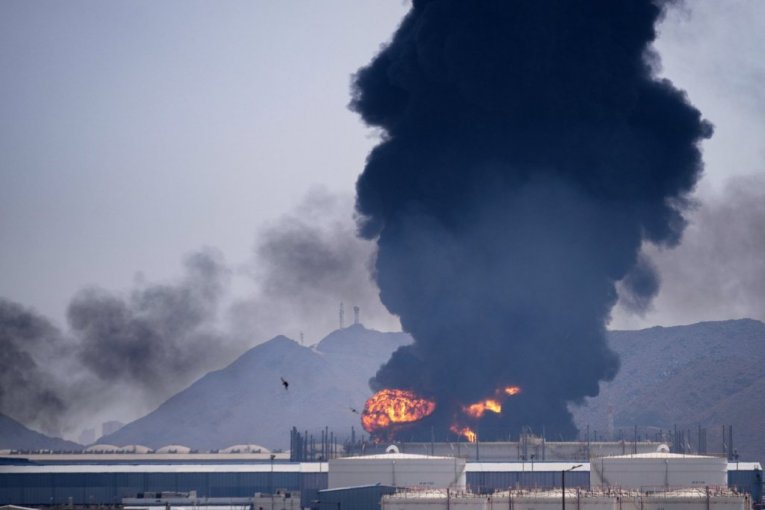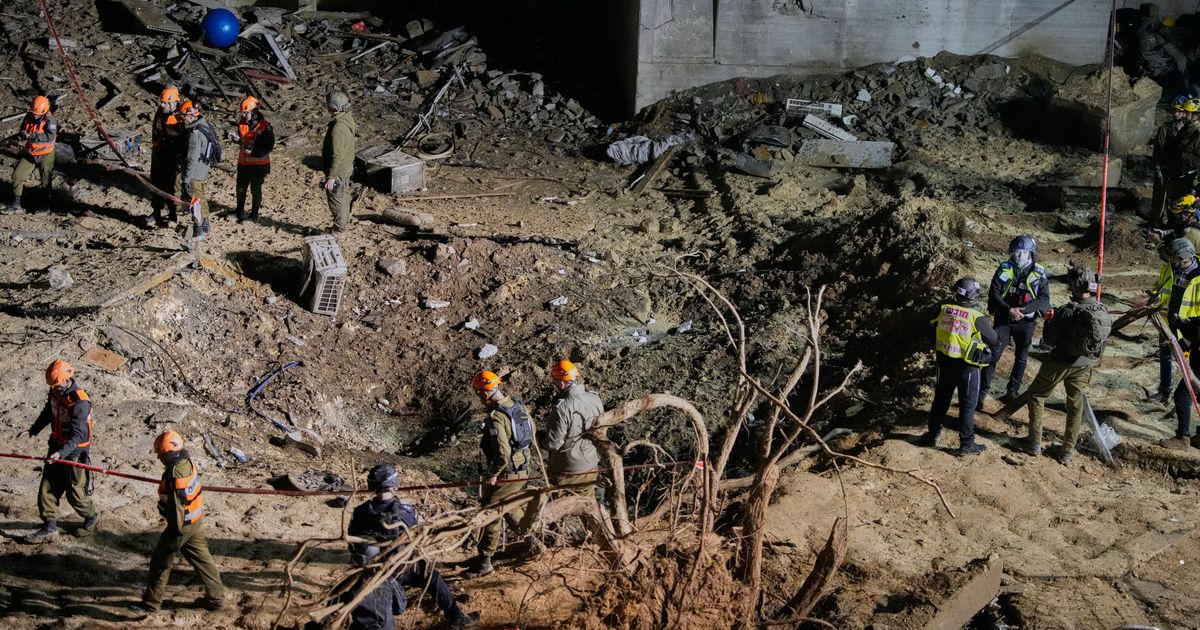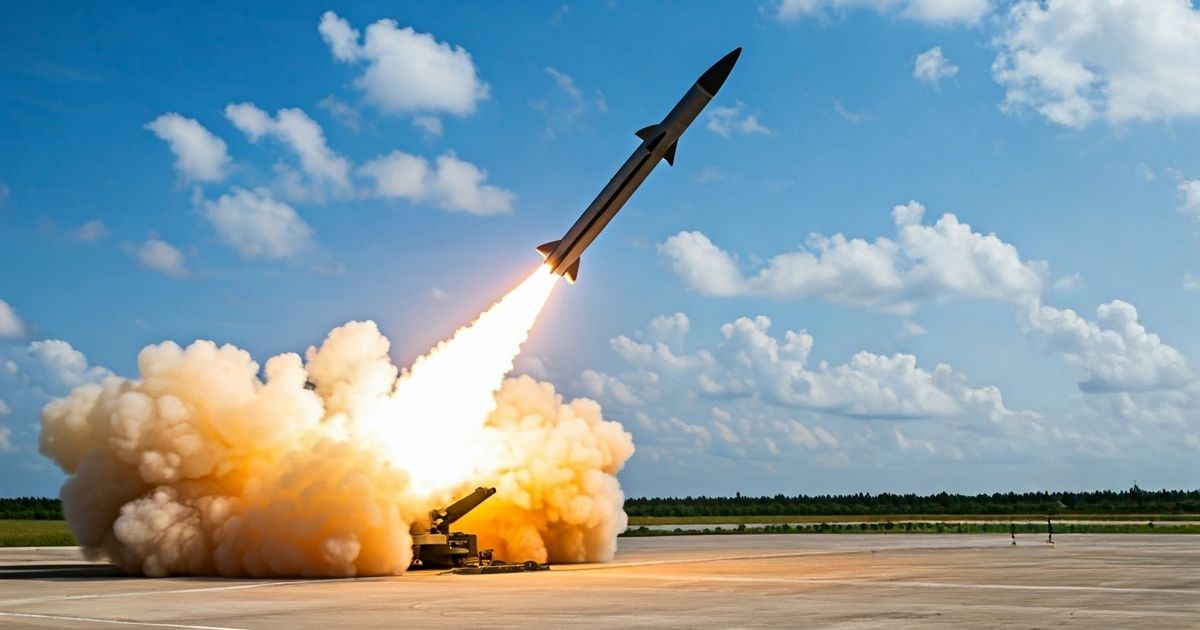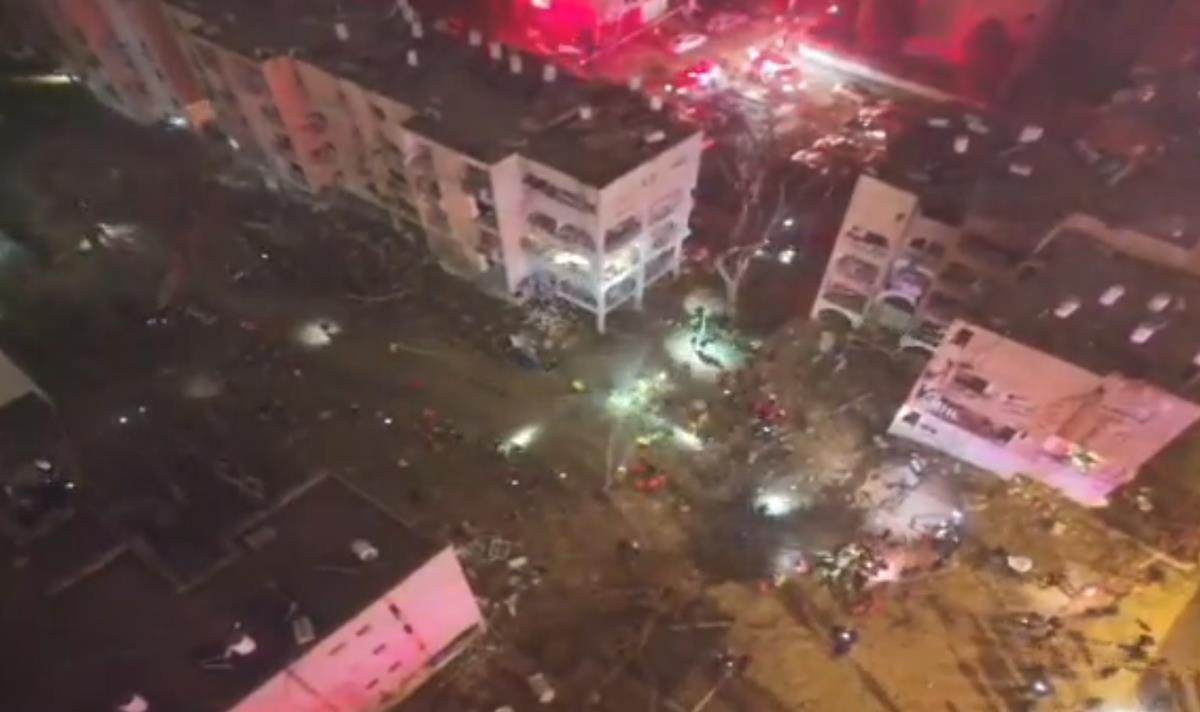



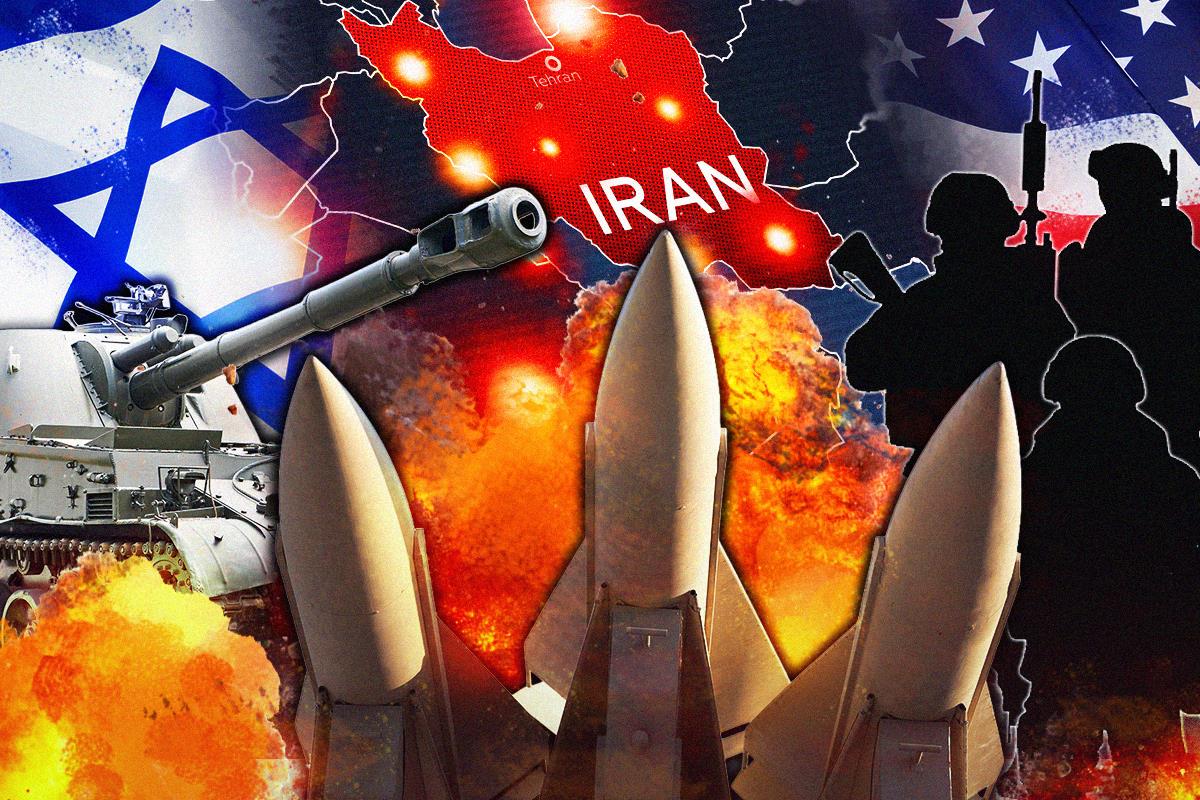
Iranian and international coverage broadly agree that Iran launched ballistic missile attacks on the southern Israeli cities of Arad and Dimona during the ongoing Iran–Israel confrontation, now framed as part of a wider regional war lasting more than three weeks. Reports converge that Dimona, widely associated with Israel’s main nuclear facility, and residential areas in Arad were hit, producing scenes of collapsed buildings, black smoke, sirens, and emergency rescues. Casualty figures across outlets generally place Dimona’s injuries at around 47 hospitalized, including at least one boy in critical condition and others suffering moderate and minor wounds, while Arad is described as having dozens to more than 100 injured, some in serious condition and some trapped under rubble. All sides acknowledge the Israeli authorities’ difficulty intercepting at least some of the incoming missiles, that an official investigation into air defense failures has been opened, and that both Tehran and Jerusalem publicly tie the strikes to a chain of prior attacks and counterattacks involving the United States and Israel.
Coverage from both opposition and pro-government media likewise situates the events within a broader pattern of escalating Iran–Israel hostilities and the wider Middle East war, noting that the conflict has produced thousands of deaths across the region, with Iran and Lebanon suffering heavy casualties. Outlets across the spectrum point to the strategic importance of Dimona as a site linked to Israel’s nuclear program and emphasize that Iran’s attack was both militarily symbolic and politically charged. They also agree that Iranian officials had telegraphed a more assertive missile posture, boasting of new tactics and systems, and that Israeli leaders, including the prime minister and army chief, publicly characterized the evening as “difficult” while vowing to continue military operations on multiple fronts. Both camps describe the missile attacks as a turning point highlighting the vulnerability of Israeli territory, the growing reach of Iranian missiles, and the risk of broader regional entanglement involving the United States and allied actors.
Areas of disagreement
Causation and justification. Opposition-aligned sources emphasize the attacks as a direct response to earlier Israeli and US “preventive” or aggressive actions, often casting Iran’s strikes as retaliatory and framed within a narrative of resistance against occupation and Western-backed militarism. Pro-government outlets, by contrast, foreground Iran’s role as an aggressor escalating a regional war, treating the attacks on Arad and Dimona as an unjustifiable expansion of the conflict that endangers civilians far from any frontline. While both acknowledge a chain of prior incidents, opposition coverage tends to present that chain as evidence of Iran’s claimed right to respond, whereas pro-government media highlight it as proof that Tehran is destabilizing the region.
Targeting and civilian impact. Opposition media typically stress that Iran aimed primarily at strategic or military assets such as the Dimona nuclear complex and air bases, portraying civilian harm and building damage as collateral or magnified by Israeli militarization of civilian areas. Pro-government coverage places much greater emphasis on residential destruction, panic, and the human toll in Arad and Dimona, depicting streets in ruins and families caught under rubble to underscore the attacks’ indiscriminate nature. In doing so, opposition outlets tend to downplay or relativize casualty numbers as part of a broader battlefield, while pro-government sources spotlight individual victims and graphic footage to frame the strikes as attacks on ordinary people rather than solely on strategic targets.
Military balance and performance. Opposition-aligned reporting often amplifies Iranian claims of “rocket domination,” successful penetration of Israeli air defenses, and the demonstrated capability to hit highly protected sites, sometimes echoing Tehran’s assertions about downing an Israeli F-16 and showcasing new missile systems. Pro-government outlets acknowledge the failure of some Israeli interceptions and note that investigations are under way, but they are more likely to frame these as temporary lapses in an otherwise strong defense architecture, and they either question or dismiss Iranian boasts about shooting down advanced jets. Where opposition sources use the incident to portray Iran as technologically ascendant and emboldened, pro-government sources stress Israel’s ongoing capacity to retaliate and adapt, casting the episode as a shock but not a decisive shift in the balance of power.
Regional framing and blame allocation. Opposition media frequently situate the strikes within a narrative of a broad anti-Israel, anti-US front, linking Iranian moves to wider regional grievances and portraying Tehran as responding to a Western-backed siege that has already cost thousands of Iranian and Lebanese lives. Pro-government outlets instead present the war’s overall death toll as evidence of the destructive consequences of Iran’s regional adventurism and support for allied militias, highlighting Tehran and its partners as primary drivers of instability. While both sides reference the same regional theaters and actors, opposition coverage tends to frame Iran as a defender acting within an asymmetric conflict structure, whereas pro-government sources describe it as a revisionist power dragging civilians and neighboring states into an avoidable war.
In summary, opposition coverage tends to treat the Arad and Dimona strikes as a largely justified, strategically targeted act of retaliation that exposes Israeli vulnerabilities and reflects a broader resistance narrative, while pro-government coverage tends to depict them as an unprovoked and reckless escalation that victimizes civilians, exaggerates Iranian prowess, and confirms Tehran’s responsibility for deepening regional instability.
Story coverage