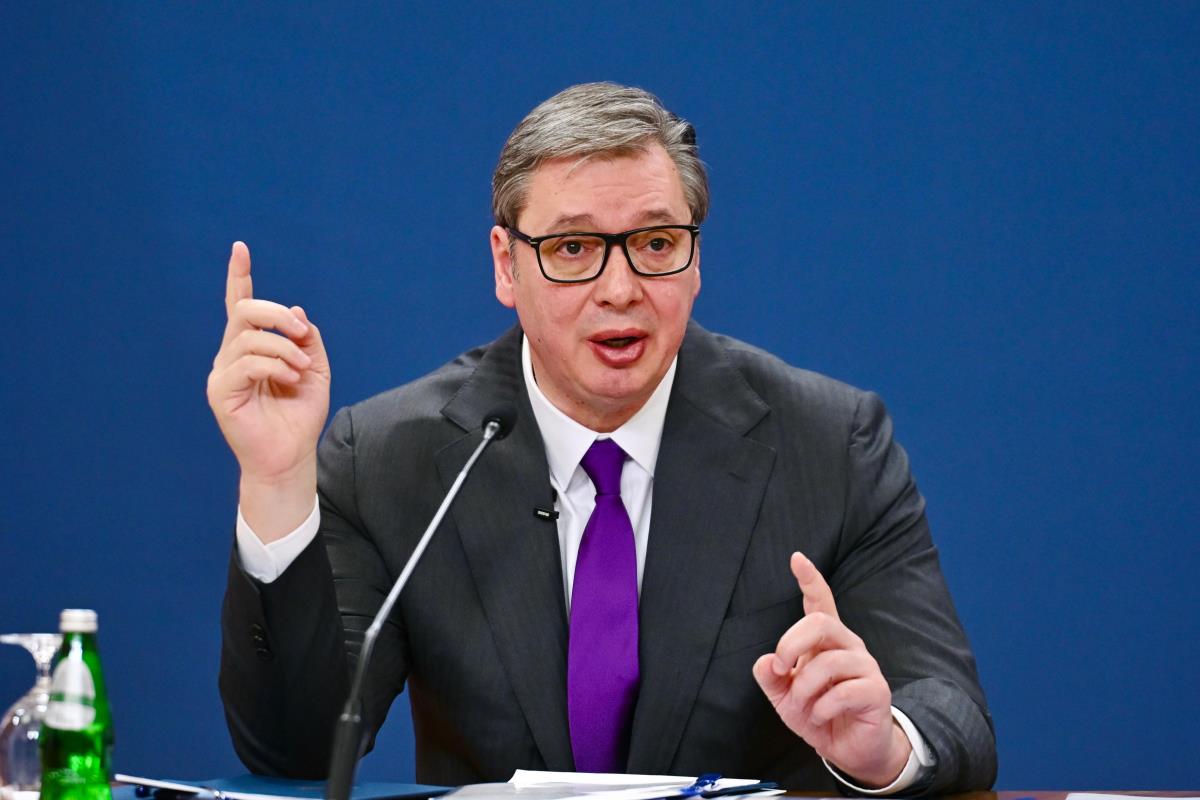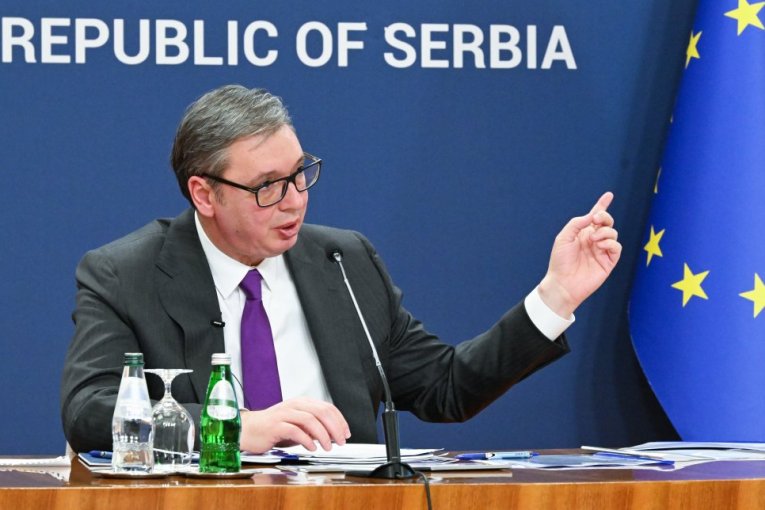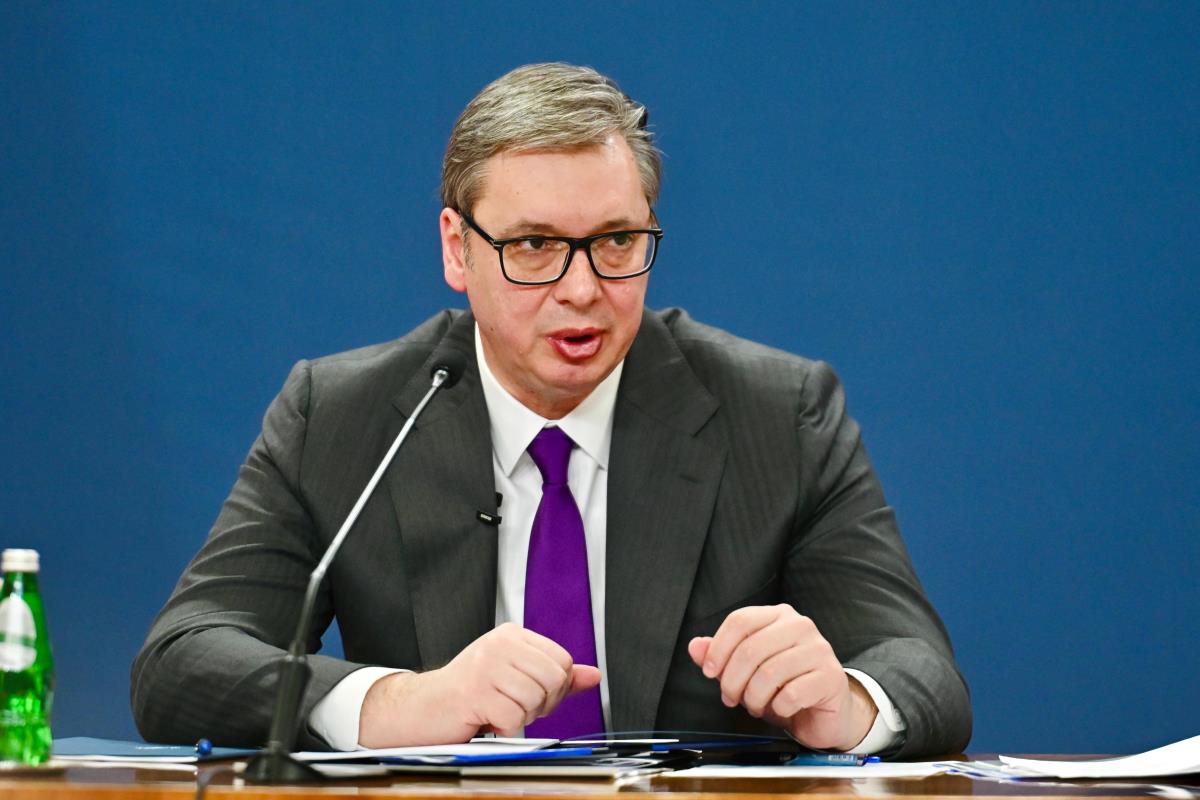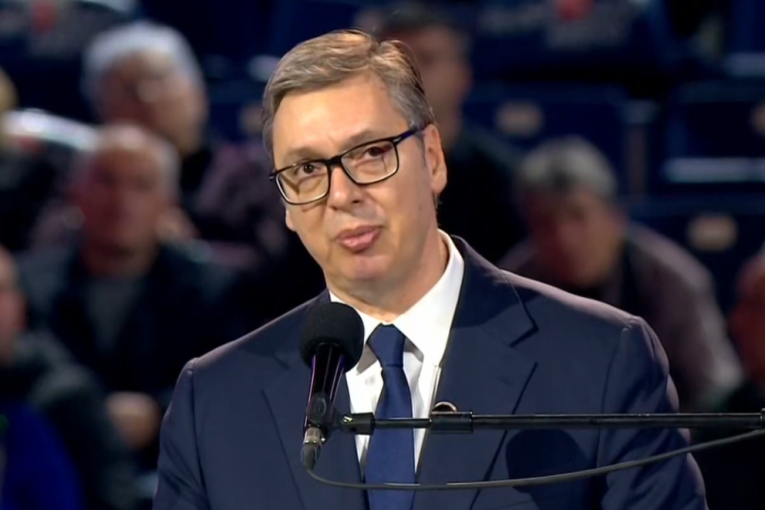



President Aleksandar Vučić has announced a package of state energy and social measures aimed at cushioning Serbian citizens from the impact of what officials and media describe as a major global energy crisis. Across outlets, reports agree that the government has already released around 40,000 tons of oil from reserves, is importing additional quantities to maintain stockpiles, and is negotiating a gas arrangement with Russia to secure stable supply. It is consistently reported that there will be no formal limits on fuel purchases for citizens or farmers, in contrast to certain neighboring countries that have introduced caps, and that diesel in Serbia is currently being sold below what the government calls its real market price. Media on both sides also acknowledge that the state is reducing excise taxes on fuel—by about 20 percent according to pro-government details—with an estimated multi‑billion dinar loss in budget revenue, and that modest price increases at the pump have already occurred but are portrayed as controlled rather than drastic.
Both opposition and pro-government coverage situate these measures within the wider context of global energy turbulence, referencing assessments such as the International Energy Agency’s description of the present situation as one of the largest energy crises in history. There is shared mention that Serbia is simultaneously shoring up strategic reserves of oil, gas, and key agricultural products, while also moving ahead with welfare adjustments like raising the income threshold for child benefits to 18,000 dinars and linking the discussion to broader economic objectives for higher average wages and pensions over the next four years. Outlets broadly agree that the government is presenting this package as part of a longer-term program for economic stability and social protection, emphasizing continuity in infrastructure investment and state intervention to shield households and farmers from volatility on world markets. They also concur that these moves come amid regional instability and sanctions-related disruptions that could affect Naftna Industrija Srbije and other energy channels, making supply security a central political and policy concern.
Areas of disagreement
Effectiveness and sufficiency of measures. Pro-government outlets frame the excise cuts, reserve releases, and guarantee of unrestricted fuel purchases as decisive, timely, and fully adequate to neutralize the worst effects of the global crisis, often using language like “we have everything” and “no reason for concern.” Opposition-aligned sources, by contrast, tend to question whether these are short-term palliatives that fail to address structural energy dependence, pricing transparency, and vulnerability to external shocks. While loyalist media highlight technical details and official reassurances as proof that policy is working, critical outlets stress rising living costs, potential future shortages, and the lack of a comprehensive, depoliticized energy strategy.
Responsibility and blame. In pro-government reporting, the crisis is primarily attributed to external factors such as international sanctions, global commodity price spikes, and decisions made in the European Union and by major powers, with Serbian authorities portrayed as reactive victims doing their best under difficult circumstances. Opposition coverage typically agrees on the existence of global pressures but assigns more responsibility to years of domestic mismanagement, politicized appointments in the energy sector, and overreliance on a limited set of foreign partners. This results in sharply different narratives: one where the government is a shield against exogenous turbulence, and another where the same government is seen as having created or worsened Serbia’s exposure.
Economic framing and social impact. Pro-government media integrate the energy story into a broader narrative of upward economic trajectory, tying fuel measures to projections of much higher average salaries and pensions, and expanded child benefits as evidence that living standards will keep improving despite the crisis. Opposition-aligned outlets, however, are more likely to juxtapose official promises with current inflation, wage stagnation for many sectors, and growing inequality, suggesting that headline figures and benefits do not compensate for overall erosion of purchasing power. The same policies are thus presented either as proof of responsible social stewardship or as selective, politically timed giveaways ahead of electoral cycles.
Energy security and foreign policy orientation. Loyalist coverage typically emphasizes ongoing or planned agreements with Russia and other suppliers as pragmatic, sovereignty-affirming choices that guarantee energy security and stable gas flows, framing Serbia as a serious state that no longer risks shortages. Opposition media often scrutinize this dependence on Russian energy, warning about diplomatic isolation, bargaining vulnerabilities, and the absence of diversification toward renewables and regional interconnectors. Where pro-government narratives see stability and continuity in these partnerships, critical sources see strategic risk and missed opportunities for a more balanced and sustainable energy mix.
In summary, opposition coverage tends to question the depth, sustainability, and political motivations of Vučić’s energy and fuel measures and to stress structural vulnerabilities and social strain, while pro-government coverage tends to present the same steps as robust, sufficient, and proof of responsible leadership steering Serbia safely through a global crisis.
Story coverage