

pro-government
EVERYTHING STALLED! Kremlin Decides
Talks stalled, territories remain a problem
3 days ago
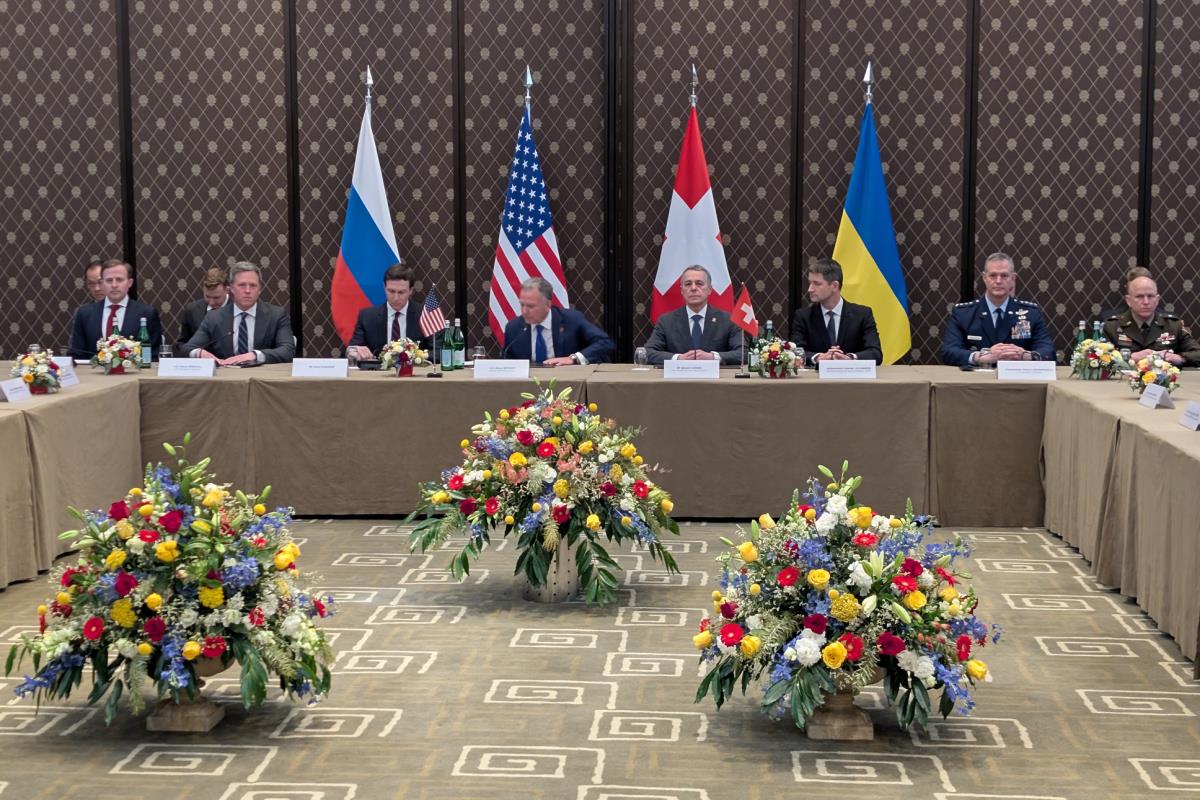
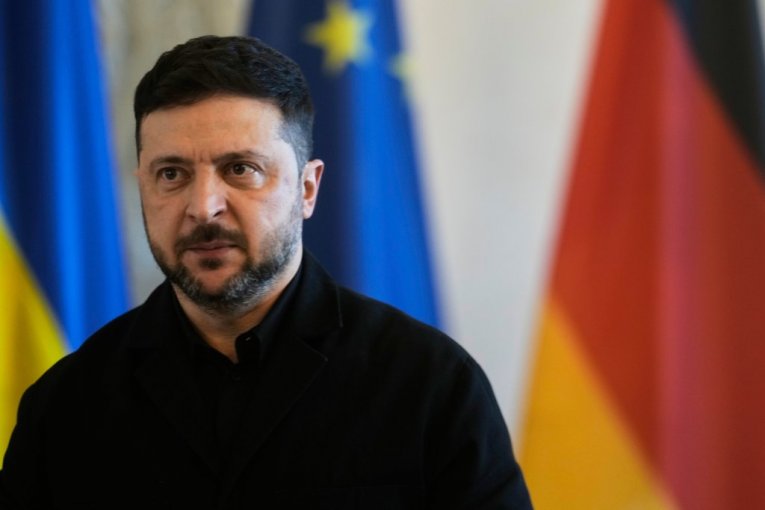
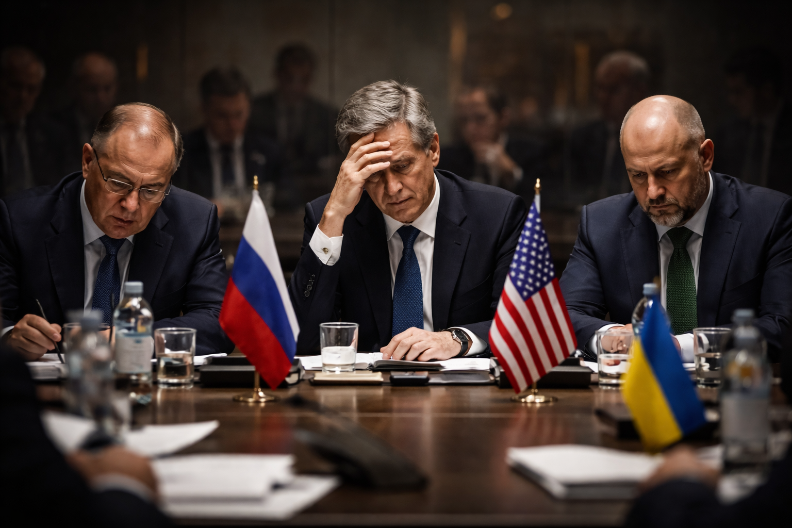
Reports from both opposition and pro-government outlets agree that peace talks aimed at ending the war in Ukraine have entered a pause, with no fixed timetable for a full resumption of the trilateral format involving Russia, the United States, and Ukraine. Both sides acknowledge that while formal trilateral negotiations are stalled or in a "situational pause," some bilateral contacts—particularly between Russian and US working groups—are continuing in the background. They concur that territorial questions are at the core of the talks and remain the most sensitive issue, with Russia pressing demands tied to four occupied regions and Ukraine rejecting any formal territorial concessions. Coverage also aligns in describing mixed signals over timing: references to a pause in talks coexist with indications from Ukrainian President Volodymyr Zelensky that Washington is prepared for renewed discussions and that another round could occur soon.
Both opposition and pro-government sources situate the paused talks within a broader diplomatic and security context involving NATO, Western sanctions, and regional conflicts. They concur that Russia has set conditions related to Ukraine’s NATO aspirations and the status of the four regions claimed by Moscow, while Kyiv insists on preserving its internationally recognized borders. Both sides note that negotiations are heavily influenced by Western policy decisions, including US and EU sanctions regimes and a large European financial package for Ukraine whose implementation timing matters for Kyiv’s leverage. They also agree that operational military realities—such as Ukraine’s air defense missile stocks and the risk of Russia improving its battlefield position before talks—are closely intertwined with the diplomatic track and shape each side’s incentives as the pause continues.
Responsibility and blame. Opposition-aligned outlets typically frame the pause as a symptom of Moscow’s intransigence and ongoing aggression, arguing that Russia is using negotiations tactically while continuing its offensive and demanding capitulation on territory and security alignment. Pro-government coverage, by contrast, emphasizes external disruptions such as the Iran conflict and portrays Russia as open to talks but constrained by Western and Ukrainian unwillingness to accept what it calls "realities on the ground." Opposition reporting tends to underscore that Kyiv is reacting defensively to coercive conditions, whereas pro-government narratives suggest that Kyiv and its Western backers are the ones stalling or overpoliticizing the process.
Characterization of the pause. Opposition sources are more likely to describe the halt as a dangerous vacuum that benefits Russia militarily and undermines prospects for a just peace, sometimes casting the "situational pause" label as a euphemism for deliberate delay. Pro-government outlets adopt the Kremlin’s language of a "situational pause," presenting it as a temporary, technically driven slowdown tied to other international crises rather than a breakdown of dialogue. While opposition coverage stresses uncertainty and the risk that talks may not meaningfully resume, pro-government coverage often highlights ongoing working-level contacts as evidence that diplomacy remains active and under control.
Conditions for peace and territorial issues. Opposition reporting generally treats Russia’s demands—abandonment of NATO ambitions and recognition of control over four regions—as illegitimate war gains that cannot form the basis of sustainable peace, emphasizing Ukraine’s refusal to cede territory as adherence to international law. Pro-government coverage, however, tends to present these conditions as pragmatic or inevitable starting points for negotiation, urging acknowledgment of new territorial realities and depicting Ukraine’s red lines as maximalist. Opposition outlets highlight Western security guarantees and continued military support as essential to prevent coerced concessions, while pro-government media often argue that Western backing encourages Kyiv to reject reasonable compromises.
Role of the West and leverage. Opposition sources typically portray US and EU measures—sanctions, financial aid, and arms deliveries—as necessary tools to balance Russian power and create conditions for genuine negotiations, warning that any weakening of these tools could embolden Moscow. Pro-government reporting instead frames stalled EU sanctions, talk of easing some US restrictions, and delays in European financial packages as signs that the West recognizes the limits of coercing Russia and is nudging Kyiv toward more flexible bargaining. Where opposition coverage stresses that Ukraine’s leverage depends on maintaining strong Western support before re-entering talks, pro-government coverage suggests that excessive Western involvement distorts the process and prevents a realistic settlement.
In summary, opposition coverage tends to depict the pause in peace talks as a dangerous opening for Russian pressure that must be countered by firm Ukrainian resolve and sustained Western backing, while pro-government coverage tends to present it as a manageable, situational delay in a diplomatic process where Russia appears reasonable and the onus is on Kyiv and its Western allies to adjust expectations.
pro-government
Talks stalled, territories remain a problem
3 days ago