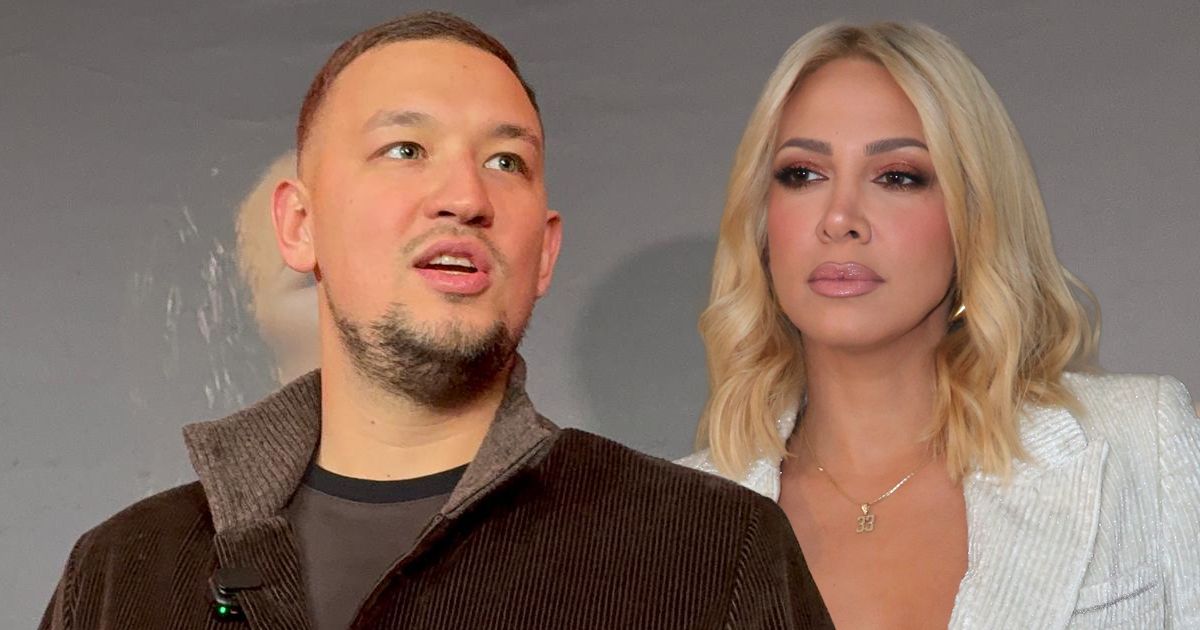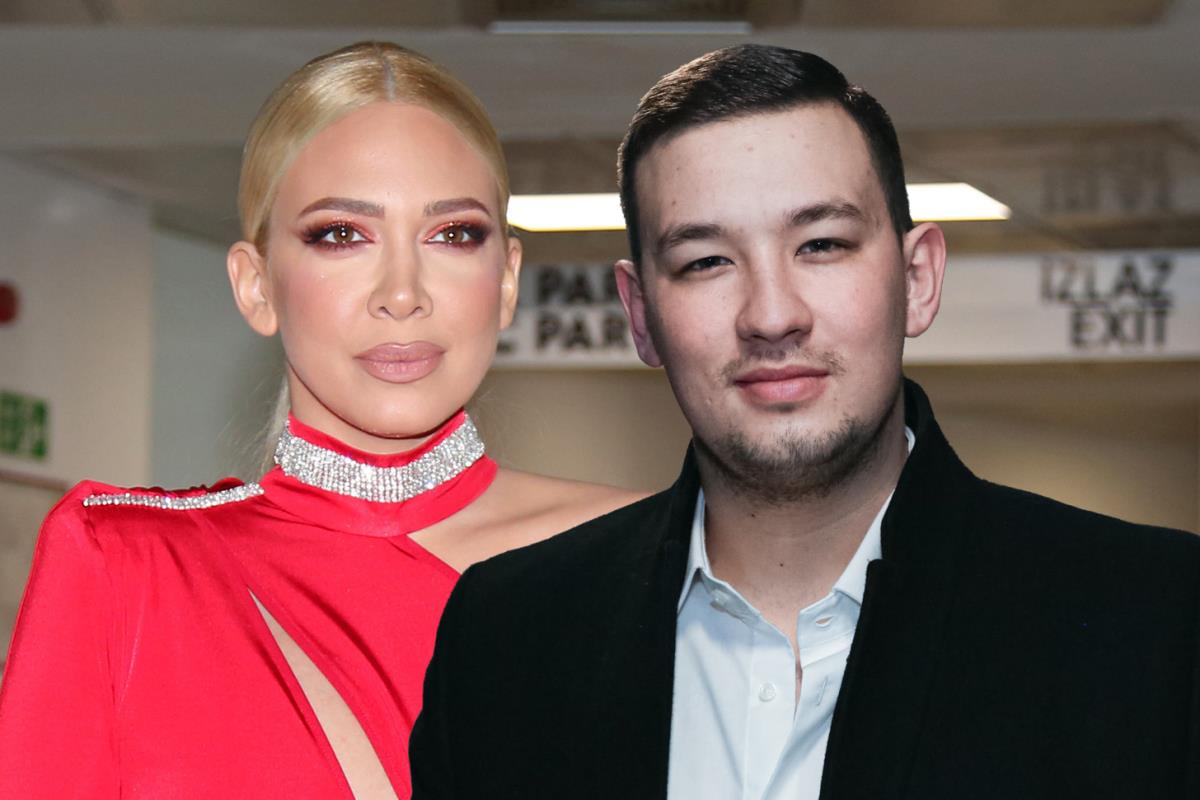



Singer Uroš Živković has recently clarified his comments that were widely interpreted as criticism of Milica Todorović’s relationship with a married man, after she became a mother. In multiple interviews at a colleague’s album promotion, where he appeared with his wife Jovana, he repeated that he condemned adultery in general, insisted his earlier statement was taken out of context, and stressed that he personally congratulated Todorović on the birth of her child. All outlets agree that he sent her a message explaining his views and apology/clarification, that she has not responded, and that the incident has strained their communication. They also concur that he framed the issue as a matter of principle against infidelity rather than a personal attack, and that he underscored his own focus on family life and loyalty to his wife.
Coverage also consistently notes that Živković used the occasion to highlight his preference for a low-profile private life, saying his wife does not like publicity and that he spends time with family whenever he is not working. Media on both sides reference the wider pop-folk scene context, mentioning their shared professional environment and colleagues such as Radiša Trajković Đani, whose post-surgery recovery Živković discussed in the same interviews. They present his invocation of “family values” and “procreation through love” as part of a broader, more conservative moral framing that is familiar in Serbian entertainment and public discourse. Across the spectrum, outlets situate the episode as a celebrity mini-scandal driven by social media reactions and gossip shows rather than by any formal institutional or legal dispute.
Areas of disagreement
Tone and seriousness. Opposition-aligned sources tend to cast the episode as a relatively minor showbiz spat blown up for distraction, describing Živković’s clarification as routine damage control around a gossip item. Pro-government outlets, by contrast, frame his statements with greater gravity, emphasizing his condemnation of adultery and his insistence on traditional family values, thus presenting the clarification as a principled moral stance rather than a mere PR maneuver. While opposition reporting might downplay the moral drama, pro-government coverage amplifies it as a meaningful affirmation of acceptable behavior in public life.
Portrayal of Milica Todorović. Opposition media are more likely to highlight Todorović’s autonomy and her right not to respond, portraying her silence as either indifference to tabloid drama or quiet disapproval of being moralized about. Pro-government outlets tend to stress the fact that she “crossed him out” or stopped communicating as a dramatic reaction, underscoring the emotional fallout while still framing Živković as having taken the correct moral line. In this way, opposition narratives lean toward respecting her privacy and choices, whereas pro-government narratives use her reaction as evidence of tension caused by defending conservative norms.
Framing of private life and family values. Opposition sources typically treat Živković’s emphasis on privacy and family as standard celebrity branding, sometimes hinting that such narratives conveniently align with state-promoted traditionalism but offering little praise. Pro-government media highlight his devotion to his wife and child, as well as his wife’s dislike of publicity, to idealize him as a model family man and subtly reinforce broader pro-family messaging. Thus, while opposition coverage regards his family rhetoric as background color, pro-government coverage elevates it into a central, positive theme that reflects broader social priorities.
Role of media and scandal. Opposition outlets frequently suggest that the entire controversy is a media-made affair, using it as an example of how tabloids sensationalize private relationships to distract from structural or political issues. Pro-government outlets more readily accept the tabloid framing, focusing on who said what and how relationships between celebrities have shifted, and using the story to reinforce moral lessons about infidelity and public conduct. Consequently, opposition coverage is more critical of the media ecosystem itself, while pro-government coverage leans into the gossip format to deliver a norm-enforcing narrative.
In summary, opposition coverage tends to minimize the scandal’s importance and question its media-driven dramatization, while pro-government coverage tends to accentuate the moral dimension, praising Živković’s family-oriented stance and using the dispute to echo traditional values messaging.