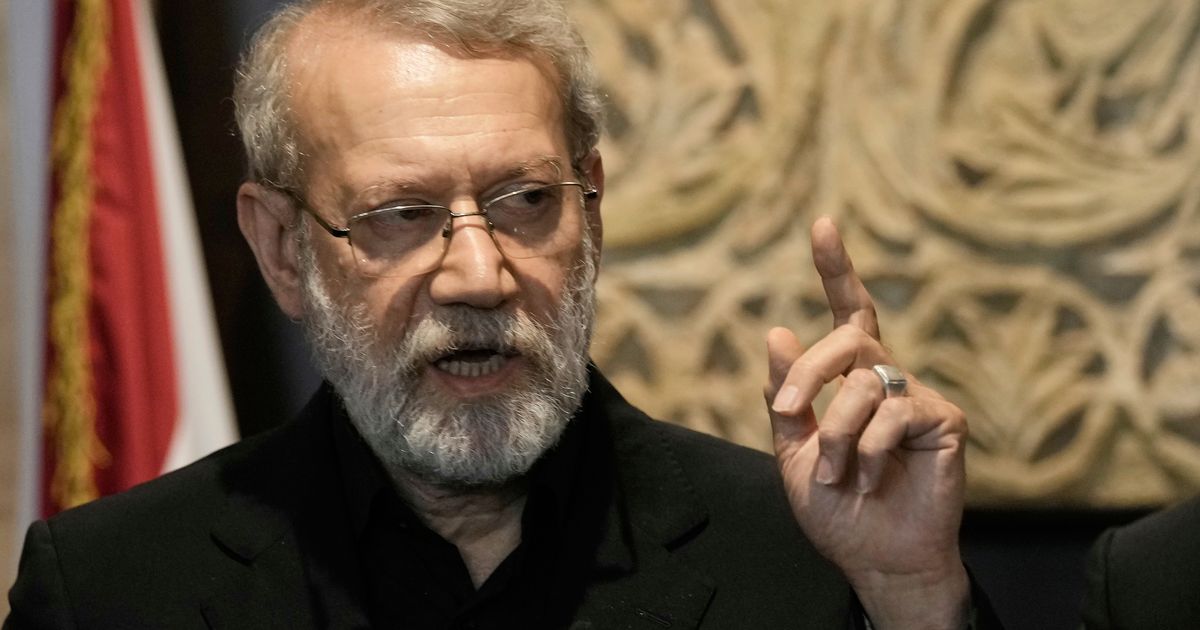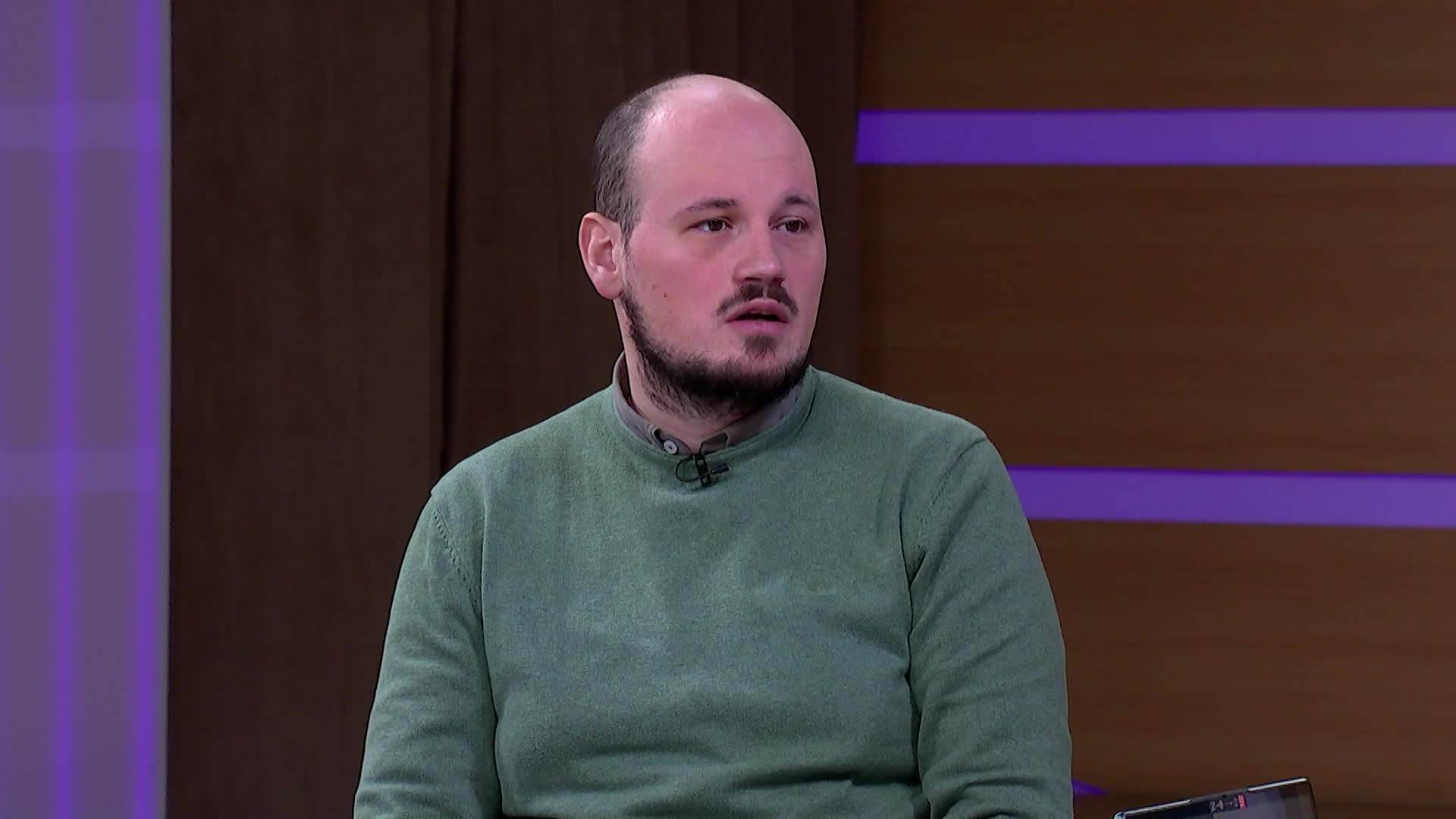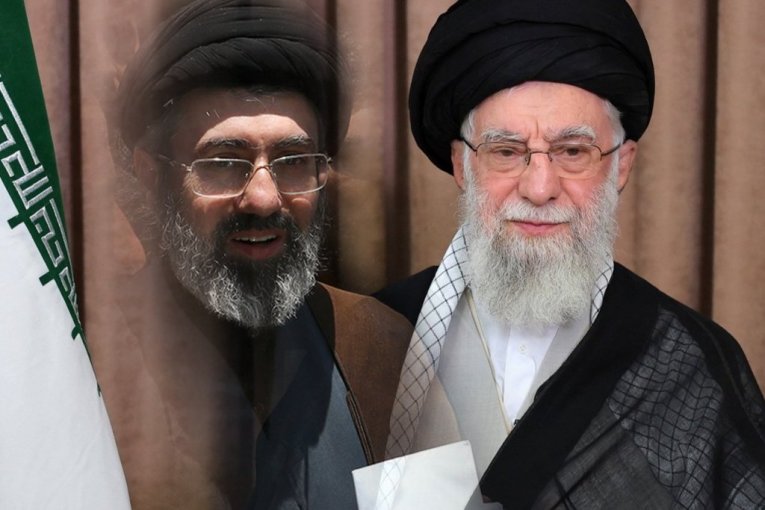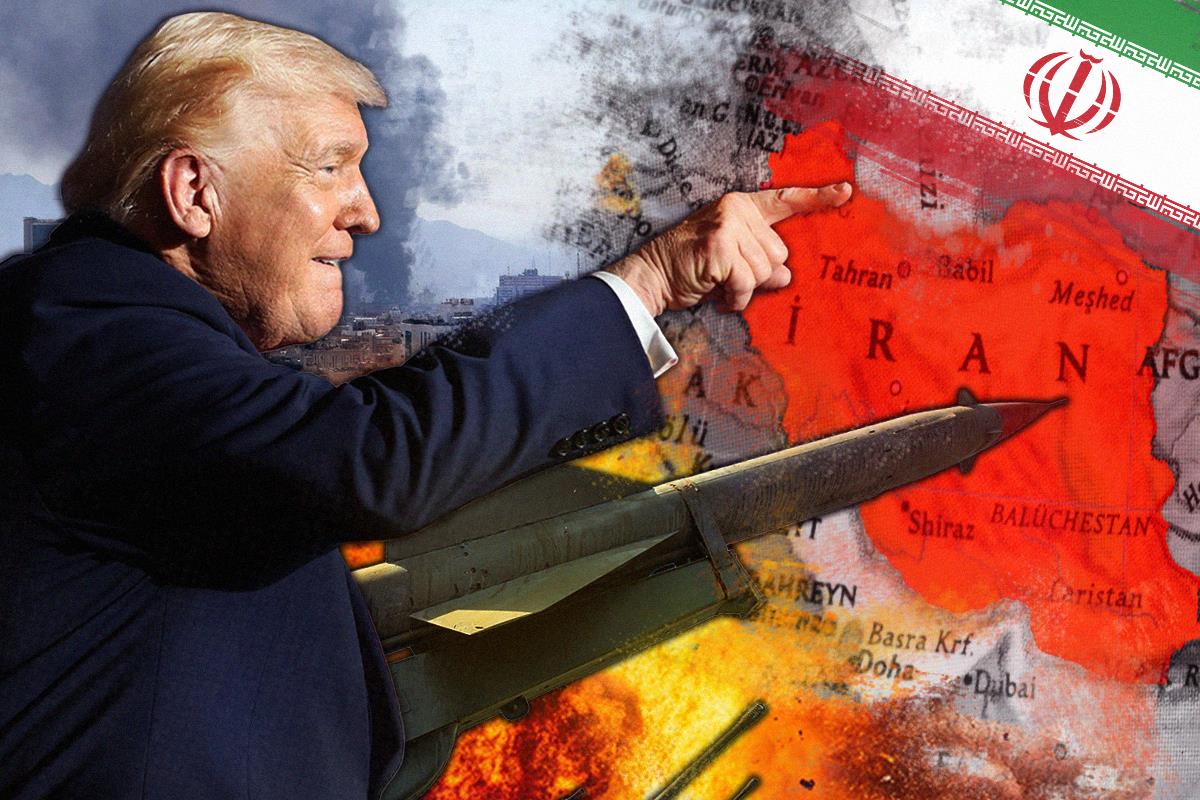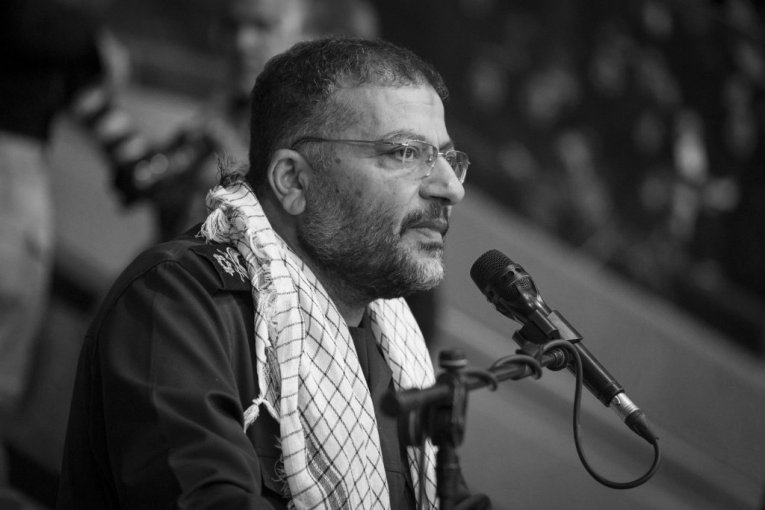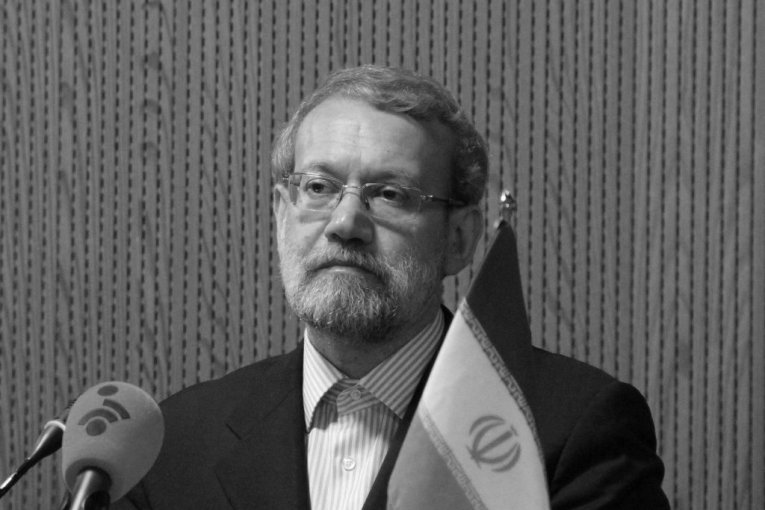



Ali Larijani, described across outlets as the powerful secretary of Iran’s Supreme National Security Council and a de facto or “shadow” ruler close to Ali Khamenei, and Gholamreza Soleimani, commander of the Basij paramilitary force within the Islamic Revolutionary Guard Corps, are reported to have been killed in Israeli airstrikes on Iranian targets. Both opposition and pro-government–aligned coverage agree that the strikes were part of a broader Israeli campaign hitting Iranian military and missile facilities (including around Shiraz), that Israel has publicly claimed responsibility for the operation that killed Larijani, and that Iranian state and IRGC channels have formally confirmed the deaths while blaming a “US‑Zionist” enemy. There is cross‑camp acknowledgment that Larijani’s son also died in the attack, that the incident comes amid an active, days‑long Iran–Israel confrontation spilling into neighboring theaters such as the Gulf and Iraq, and that the episode has triggered missile exchanges, explosions reported in Tel Aviv, and heightened concern in Western capitals.
Coverage from both sides also converges on the institutional and regional significance of the killings, presenting Larijani as central to Iran’s national security architecture and Soleimani as a key figure in domestic repression and support to allied militias abroad. Both describe the Israeli strikes as part of a systematic effort to decapitate Iran’s senior security leadership, note that Iranian officials publicly stress the “institutional” nature of the Islamic Republic to downplay the regime impact of losing individuals, and situate the events within a longer arc of shadow conflict encompassing sanctions, proxy warfare, and attacks on infrastructure. There is shared emphasis that the escalation has deepened global worries over energy security, particularly through disruption or threatened disruption of Gulf oil routes, and that the confrontation is reshaping diplomatic alignments by testing NATO members’ willingness to be drawn in and prompting offers of indirect support such as Ukrainian drone expertise.
Areas of disagreement
Responsibility and blame. Opposition-aligned sources tend to frame the operation as an Israeli decision enabled by the Islamic Republic’s internal factionalism, corruption, and security incompetence, often portraying the leadership as having provoked a predictable response through regional adventurism. Pro-government coverage instead stresses a joint “American‑Zionist” responsibility, casting the airstrikes as part of a larger US‑Israel war on Iran’s sovereignty and Islamic identity. While opposition outlets emphasize Tehran’s miscalculations and strategic isolation, pro-government media emphasize external aggression, double standards in Western reactions, and the portrayal of Iran as a victim of imperial designs.
Significance of the losses. Opposition coverage generally presents Larijani and Soleimani’s deaths as exposing the vulnerability of a sclerotic, overconfident regime and as a potential turning point that could weaken hardliners or deepen internal crises. Pro-government outlets acknowledge a “big blow” to the leadership cadre but frame the impact in martyrdom terms, insisting that Iran’s institution-based system can easily replace individuals and that the deaths will galvanize popular and regional resistance. Where opposition narratives highlight possible fractures within the elite and a weakening grip on internal security, pro-government narratives insist on continuity of command and increased resolve.
Characterization of the broader conflict. Opposition-aligned media tend to depict the confrontation as a disastrous escalation driven by the regime’s ideological priorities and expansionist policies, suggesting ordinary Iranians will pay the price through economic hardship and heightened repression. Pro-government outlets more often cast it as an imposed defensive struggle in which Iran responds proportionally to Israeli and American attacks, underscoring its missile reach and capacity to hit Israel and Gulf targets as proof of deterrent strength. Opposition sources are more likely to warn that the leadership is gambling with regional war to preserve its power, while pro-government coverage highlights resistance, deterrence, and a narrative of inevitable victory against Zionism and its allies.
International reaction and alignment. Opposition coverage usually stresses Iran’s diplomatic isolation, pointing to cautious or critical responses from Europe, Arab neighbors, and even traditional partners as evidence that Tehran lacks meaningful allies and has overreached. Pro-government media instead foreground the reluctance of NATO states to join open hostilities and mentions of Ukrainian assistance as signs that Western unity is brittle and that Iran still enjoys a network of sympathetic or neutral actors. While opposition outlets interpret global anxiety over Gulf oil disruptions as blowback from the regime’s policies, pro-government outlets interpret it as leverage that proves Iran’s strategic importance and ability to reshape international calculations.
In summary, opposition coverage tends to treat the killings as self-inflicted wounds for a reckless, vulnerable regime whose strategic overreach has invited devastating Israeli blows, while pro-government coverage tends to frame them as martyrdoms in a larger, externally imposed war that will strengthen Iran’s resistance, confirm its regional weight, and expose Western and Israeli aggression.