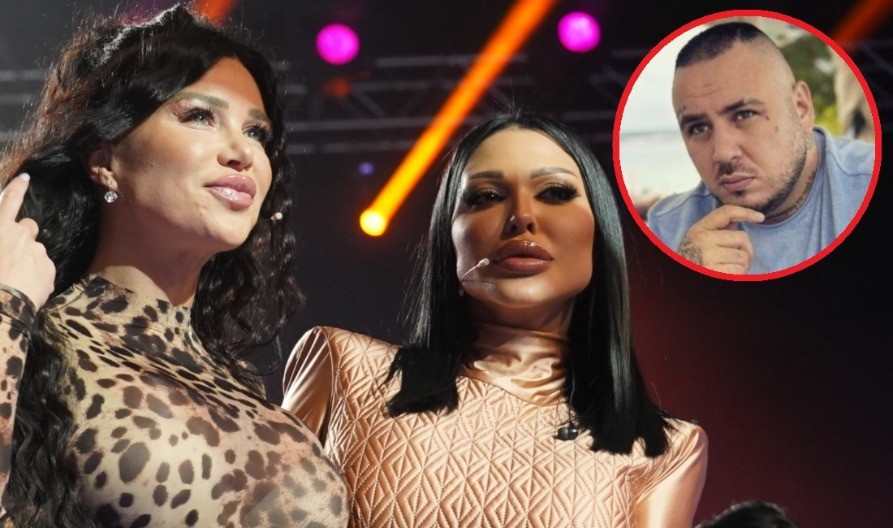


Leaked private messages between Filip Car and Stanija Dobrojević, both well-known figures from regional reality shows, have surfaced and been widely circulated by entertainment portals. Across outlets, it is agreed that the correspondence centers on their views of fellow contestant Maja Marinković, that Stanija questions the authenticity of her friendship with Maja, and that Filip sends messages interpreted as supportive of Stanija and critical of Maja. Reports concur that Stanija explicitly lists men from her past – Vladimir Tomović, Marko Marković, and a man named Luka – claiming Maja maintained or sought relationships with them, and that this history is presented as the main source of tension between the two women. Both opposition and pro-government sources, where they cover the story, frame it as the latest episode in an ongoing cycle of reality-show scandals involving the same small circle of personalities.
Coverage also broadly agrees that the messages are part of a pattern in which private communications among reality stars repeatedly become public and fuel new conflicts and storylines. Outlets from both sides present the entertainment industry and reality format as environments that reward strategic alliances, betrayals, and public airing of private grievances, using social media and tabloid leaks as extensions of the shows themselves. They similarly contextualize Stanija and Filip’s exchanges as adding narrative momentum to current or upcoming seasons, as producers and participants leverage such leaks to maintain audience interest. Both sides acknowledge that the core institutions at play are commercial broadcasters and tabloid media whose business model depends on dramatizing personal relationships rather than addressing broader political or social issues.
Areas of disagreement
Significance and seriousness. Opposition-aligned outlets tend to downplay the intrinsic importance of the leaked messages, treating them as low-stakes showbiz gossip that distracts from systemic issues and the political use of reality content. Pro-government media, by contrast, inflate the significance of the leaks, packaging them as a major turning point in an unfolding "reality show war" that the audience should closely follow. While opposition sources may briefly note the interpersonal drama and move on, pro-government sources frame it as a central entertainment event with emotional and moral stakes.
Framing of characters. Opposition coverage tends to portray all involved – Filip, Stanija, and Maja – as interchangeable reality-show actors whose conflicts are commercially constructed, often avoiding taking sides or moralizing in detail about who is right. Pro-government outlets, however, lean toward depicting Stanija as a wronged but assertive figure and Filip as her loyal ally, while positioning Maja as disloyal and scheming, with emphasis on her alleged involvement with Stanija’s former partners. This creates a hero–villain narrative in pro-government reporting that is largely absent or more muted in opposition-oriented pieces.
Political and media-system context. Opposition-aligned media, when they reference the story at all, are more likely to situate it within a critique of the broader tabloid–reality ecosystem, sometimes hinting that such scandals are amplified to crowd out coverage of governance failures. Pro-government outlets usually strip away any wider political or structural critique, instead presenting the leak as pure entertainment with no broader implications. As a result, opposition coverage occasionally links the scandal to questions about media capture and public priorities, whereas pro-government coverage keeps the focus firmly on the private lives of the participants.
Origin and motives behind the leak. Opposition sources, to the extent they speculate, tend to question who benefits from the timing of the leak and suggest it may be orchestrated by producers or friendly tabloids to boost ratings, implying a calculated media strategy. Pro-government media rarely question the authenticity or timing of the leak, instead treating it as a spontaneous exposure of Maja’s alleged behavior and as proof of Stanija’s sincerity. Thus, opposition narratives are more skeptical about behind-the-scenes manipulation, while pro-government narratives accept and amplify the leak at face value.
In summary, opposition coverage tends to treat the leaked messages as manufactured spectacle within a problematic media environment and sometimes hints at their function as distraction, while pro-government coverage tends to embrace the leak as compelling entertainment, personalize the conflict by siding with Stanija and Filip against Maja, and avoid interrogating the broader media or political context behind such scandals.