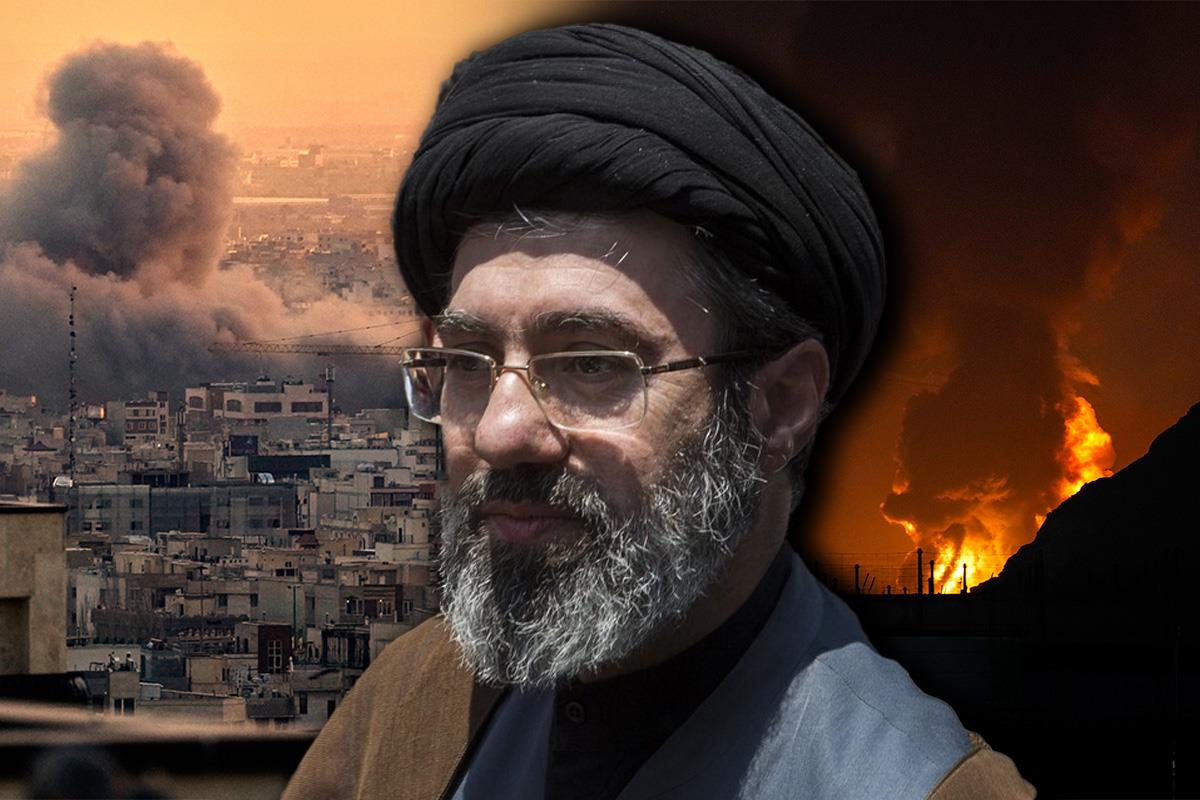

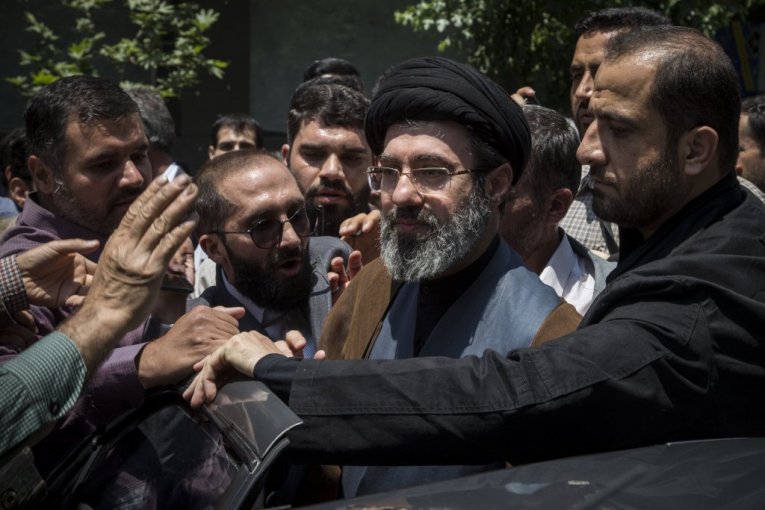
New and largely aligned reports describe a February 28 airstrike on a Khamenei family compound in Tehran that killed Iran’s long‑time supreme leader Ali Khamenei, several senior officials, and members of his family. Mojtaba Khamenei, identified by both opposition and pro‑government outlets as the new or de facto new leader, is reported to have survived the strike while sustaining serious injuries, with multiple accounts emphasizing that his wife and only son were killed when missiles obliterated his residence and much of the surrounding complex.
Shared contextual coverage notes that the attack targeted the highest levels of Iran’s leadership at a sensitive moment of succession, with strikes reportedly directed at multiple sites connected to the Khamenei household and top command figures. Both sides situate the incident within the broader regional confrontation pitting Iran against the United States and Israel, describe it as a major blow to the Islamic Republic’s ruling structure, and highlight that Mojtaba’s survival immediately raises questions about continuity of authority, power consolidation, and the regime’s likely response.
Areas of disagreement
Responsibility and blame. Opposition‑aligned sources tend to frame the airstrike as the foreseeable consequence of the regime’s regional policies and internal repression, portraying the leadership as having exposed itself and civilians to retaliation through its actions. Pro‑government sources, by contrast, cast the attack as a criminal U.S.-Israeli assassination attempt against a sovereign state’s leadership, emphasizing victimhood and illegality under international law and calling it proof of foreign aggression aimed at destroying the Islamic Republic.
Status and legitimacy of Mojtaba. Opposition outlets frequently question Mojtaba Khamenei’s legitimacy, describing him as an unelected clerical heir or power broker whose rise reflects dynastic succession and elite manipulation rather than popular consent. Pro‑government media present him as the rightful new supreme leader or designated successor continuing Ali Khamenei’s path, stressing religious credentials, loyalty to the revolution, and the narrative of personal sacrifice reinforced by the loss of his close family in the strike.
Nature and impact of the strike. Opposition coverage often emphasizes the strike’s effectiveness in decapitating key elements of the regime, sometimes highlighting chaos, intelligence failures, and possible internal complicity within Iran’s security apparatus. Pro‑government coverage underscores Mojtaba’s "miraculous" survival, the brutality of the deaths, and the physical destruction of the compound, but frames the outcome as a strategic failure for the attackers that will strengthen internal cohesion and justify a powerful response.
Public reaction and future trajectory. Opposition sources tend to highlight potential fractures within the establishment, speculation about succession struggles, and the possibility that anger over the leadership’s decisions will deepen public discontent. Pro‑government narratives emphasize national unity, portray broad sympathy for Mojtaba as a bereaved but steadfast leader, and suggest that the attack will consolidate support for the state’s regional posture and security crackdown against perceived enemies.
In summary, opposition coverage tends to treat the strike as both a symptom and accelerator of the Islamic Republic’s internal vulnerabilities and contested leadership, while pro-government coverage tends to frame it as a martyrdom-infused attack that legitimizes Mojtaba’s authority, reinforces narratives of foreign aggression, and demands national solidarity and retaliation.