


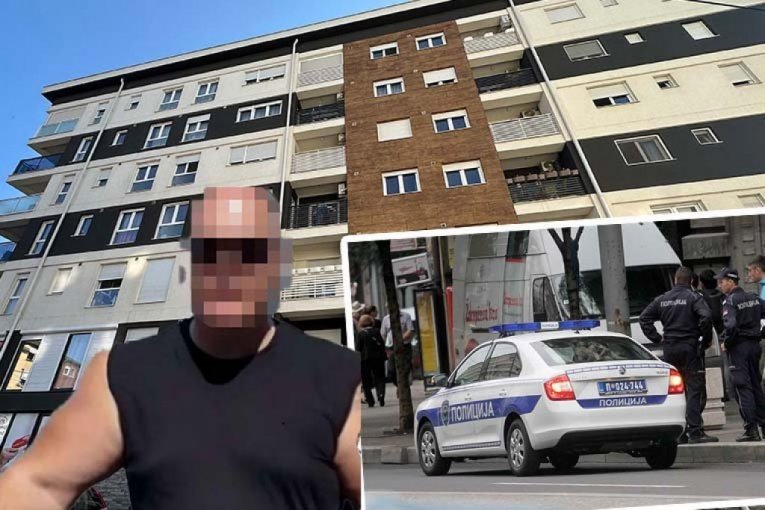
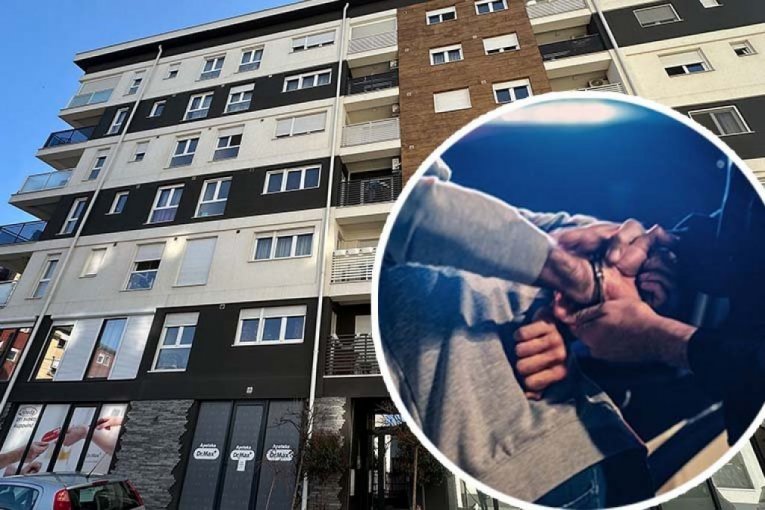
A 57-year-old man, identified as Nenad K. and known by the nickname Nešo, was murdered in Čačak inside his apartment after being struck multiple times in the head with a hammer or similar blunt object. Both opposition and pro-government outlets agree on the basic chronology: the killing occurred during the day inside a residential building, the assailant initially fled the scene, and police quickly launched a manhunt supported by security-camera analysis before a suspect—a man roughly in his late fifties, known locally as Duško or by the nickname Dule Crta—was located and arrested or surrendered to authorities. Reports from both sides highlight that investigators are probing prior disputes and unsettled business dealings between the victim and the suspect, and that official confirmation of precise motive and all details is still pending while the investigation is ongoing.
Across the spectrum, media describe the case within a framework of local organized or semi-organized criminality and long-running financial disputes, noting that the victim had a prior record for fraud, loan-sharking, and other illegal activities, and that the killing may have arisen from a breakdown in these shadowy business relations. Both opposition and pro-government sources situate the event within a broader pattern of violent score-settling linked to informal money lending, car trading, and gray-economy dealings, emphasizing that police and prosecutorial institutions now have to determine whether the murder stemmed from personal animosity, unpaid debts, or a larger criminal network. They also converge in portraying the case as another test of Serbia’s capacity to investigate high-visibility violent crimes efficiently, from crime-scene work and surveillance checks to charging and trial, and in noting that any official reform or policy implications will depend on what the investigation uncovers about the extent of organized criminal structures behind the conflict.
Areas of disagreement
Framing of the crime and its significance. Opposition-aligned outlets tend to present the hammer killing as symptomatic of a broader climate of insecurity and normalized street and underworld violence under the current authorities, casting it as one more in a series of gruesome incidents that point to systemic failure. Pro-government outlets, by contrast, usually treat it as a serious but isolated conflict tied to specific criminal figures and private disputes, emphasizing the individual pathology or criminal milieu rather than any deeper societal breakdown. While opposition media may link the event to a perceived erosion of public safety, pro-government coverage tends to limit the narrative to a contained criminal quarrel.
Responsibility and institutional performance. Opposition reporting generally stresses questions about how such a heavily profiled offender could operate for years, arguing that weak institutions, politicized policing, or selective enforcement allowed loan-sharking and fraud to flourish until they ended in murder. Pro-government outlets instead highlight the speed of the manhunt and the fact that a suspect was quickly identified and arrested or surrendered, portraying police as efficient and responsive. Where opposition sources are more likely to point to gaps in prevention and regulatory oversight, pro-government coverage spotlights successful post-crime reaction as proof that the system works.
Portrayal of victim and suspect. Opposition media, where they diverge, tend to be somewhat more cautious about sensationalizing the victim’s criminal record, sometimes stressing that regardless of past offenses, the state has a duty to protect all citizens and prevent such brutal killings. Pro-government outlets more aggressively foreground the victim’s extensive history in loan-sharking, stolen car trading, and fraud, as well as the suspect’s underworld nickname, thereby framing the event as an internal settling of scores among known offenders. This contrast allows opposition sources to emphasize citizen vulnerability more broadly, while pro-government sources lean on the narrative that ordinary citizens are not the primary targets of such violence.
Political context and broader narrative. Opposition-aligned coverage is more likely to connect the Čačak murder to perceived ties between elements of the ruling elite and criminal networks, or at least to argue that an environment of impunity encourages such brutality, thus embedding the case in a narrative of political decay. Pro-government outlets tend to avoid any reference to political responsibility or elite–crime linkages, keeping the focus strictly on operational details of the investigation and the private motives of those involved. Where opposition media may use the incident to question the success of government crime-fighting promises, pro-government narratives often present it as evidence that those promises are being fulfilled through swift law-enforcement action.
In summary, opposition coverage tends to use the Čačak hammer murder as evidence of systemic insecurity, institutional weakness, and a troubling nexus between politics and crime, while pro-government coverage tends to frame it as an isolated clash within the criminal underworld handled effectively by competent police and justice institutions.
Story coverage

pro-government
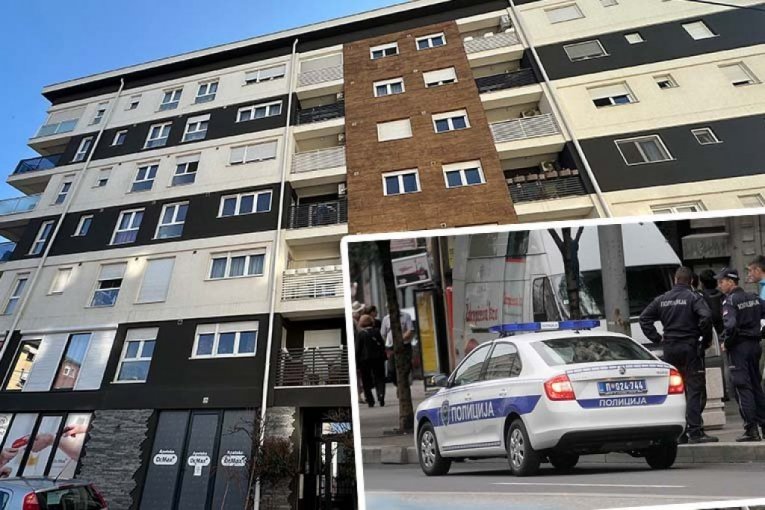
Murder in Čačak
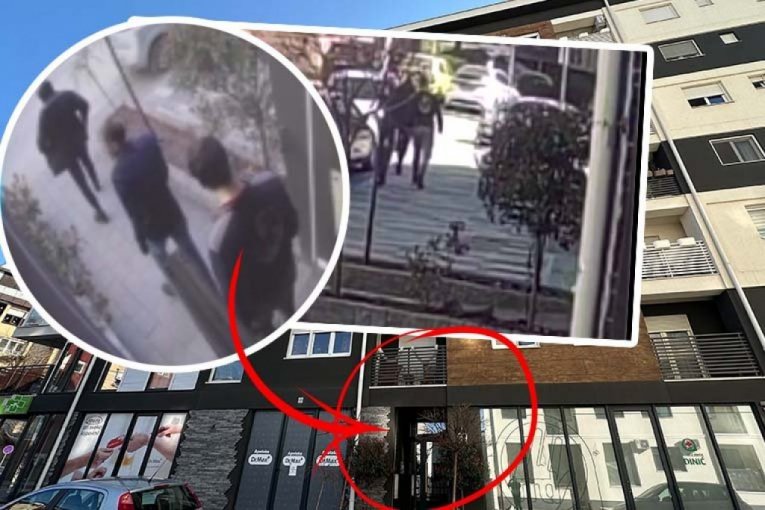
The killer left the building after the crime and went in an unknown direction.
20 hours ago