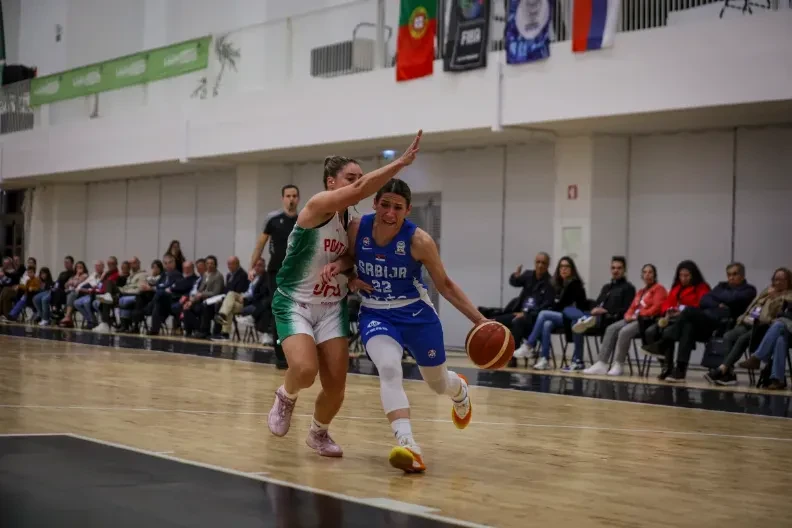

The Serbian women's basketball team defeated Portugal 71-58 in a EuroBasket 2027 Group G qualifier, completing the first phase of qualifying with a perfect 4-0 record. Both opposition and pro-government outlets agree that Jovana Nogić led Serbia with 18 points, closely followed by Maša Janković with 16, and they note that the win came after a competitive first half before Serbia pulled away more decisively later in the game. Pro-government sources additionally highlight Aleksandra Stanaćev’s 12 points, but all sides frame the win as clear and well-deserved, emphasizing that Serbia finished this qualifying window without a single defeat.
Outlets on both sides concur that this match closes the first stage of EuroBasket 2027 qualification and that Serbia has effectively secured progress to the next phase. They also agree on the broader context that the team’s path now continues toward the next qualifying windows planned for November 2026 and February 2027, and that this victory confirms Serbia’s strong position in Group G. Coverage across the spectrum underscores the institutional continuity of the women’s national program, the importance of psychological readiness and discipline, and the need for further technical and tactical refinement despite the flawless record.
Areas of disagreement
Tone and framing of the win. Opposition-aligned outlets report the 71-58 victory in a relatively restrained, factual tone, stressing the clean 4-0 record and progression to the next stage without excessive celebratory language. Pro-government coverage, by contrast, uses more emotional and triumphant phrasing, speaking of Serbia “thrashing” Portugal and highlighting the win as another big success for “our” players, thus more strongly tying the sports result to a sense of national pride and achievement.
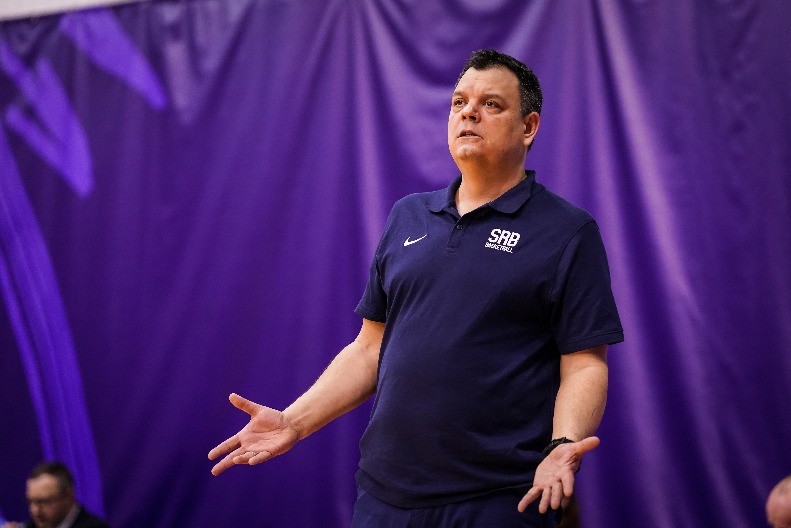
Emphasis on problems versus celebration. Opposition sources focus chiefly on the outcome and statistics, mentioning the perfect record and key scorers but not dwelling on weaknesses or turning the performance into a broader success narrative. Pro-government outlets, through coach Pavlović’s comments, openly acknowledge issues like 26 turnovers and 23 conceded points from them, yet they frame these as challenges on the way to even greater success, balancing critique with a strong message of satisfaction, progress, and pride.
Role of coaching and institutional credit. Opposition coverage presents the victory primarily as the result of player performance and the team’s continuity, without foregrounding the coach or federation leadership. Pro-government reporting explicitly amplifies coach Pavlović’s voice, underlining his assessment that there is “a lot of work to do” while asserting that the team still has “reason to be satisfied,” subtly crediting the current coaching and institutional setup for the flawless record.
Narrative about the future. Opposition-aligned media frame the next qualifying windows in November 2026 and February 2027 as a logical continuation of a successful campaign, keeping the focus on the sporting schedule and the team’s need to maintain form. Pro-government outlets present the future more as a patriotic project in progress, stressing psychological improvement, individual responsibility, and further tactical work as part of a longer-term success story under current management, turning upcoming qualifiers into milestones on an optimistic national trajectory.
In summary, opposition coverage tends to present the Serbia–Portugal game as a straightforward, well-earned sports victory with minimal emotional framing and limited institutional glorification, while pro-government coverage tends to embed the same result in a celebratory narrative of national progress, highlighting coaching leadership, resilience despite mistakes, and a broader story of success under the current sporting structure.
Story coverage