

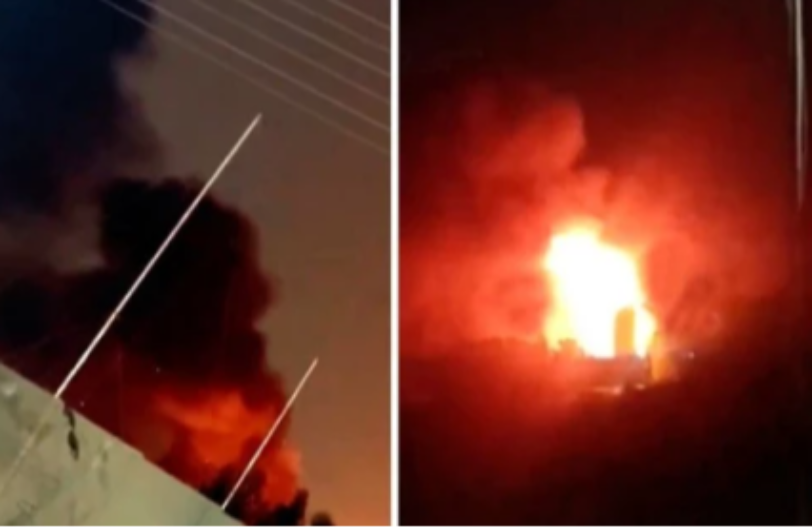
Iran is reported by both opposition and pro-government sources to have launched coordinated attacks across multiple Gulf countries and against US military bases in the wider region, using a mix of drones, rockets, and ballistic missiles. Both sides describe strikes or attempted strikes on targets in the UAE, Saudi Arabia, Bahrain, Kuwait, Iraq (including US facilities in Baghdad and Erbil), and note that air-defense systems in several states, especially the UAE, Saudi Arabia, and Jordan, intercepted large numbers of incoming projectiles. They agree that explosions were reported in Bahrain and Kuwait, that at least some attacks reached their targets causing casualties and damage, that sirens sounded in parts of Israel, and that the US ordered non-essential personnel to leave Oman amid heightened security concerns. Both frames acknowledge that the scale and synchronization of the attacks mark a serious escalation of the regional confrontation and have disrupted port or airport operations in some locations, including a UAE port and Kuwait airport.
Coverage across both opposition and pro-government outlets situates these strikes within a broader pattern of intensifying Iran–Gulf–US tensions and a long-running cycle of attack and interception involving Iranian drones and missiles and Gulf air-defense systems. Both describe the UAE and other Gulf monarchies as key nodes in the regional security architecture and as hosts for major US military installations that are now being directly targeted, while also highlighting the vulnerability of critical infrastructure such as radar systems, fuel depots, ports, and airports. They concur that the sustained missile and drone barrages, coupled with repeated interceptions, have become a defining feature of the conflict and pose risks to regional stability and the global economy, given the Gulf’s central role in energy exports and shipping. There is shared acknowledgment that Gulf governments publicly frame their response in terms of defending sovereignty, civilian populations, and an existing model of economic prosperity and coexistence against what they describe as growing security threats.
Areas of disagreement
Scale and impact. Opposition-aligned sources portray the attacks as serious but emphasize defensive successes and the fact that many incoming threats were intercepted, giving less detail on large casualty figures or catastrophic damage. Pro-government coverage, by contrast, uses more dramatic language, stressing that Iran "savagely" destroyed targets and that Dubai, Abu Dhabi, and other sites were "buried" in rockets, while specifying deaths, injuries, and major disruptions like fires in ports and hits on radar and fuel depots. Opposition outlets therefore tend to present a picture of a grave but partly contained escalation, whereas pro-government outlets amplify the sense of an unprecedented, overwhelming onslaught.
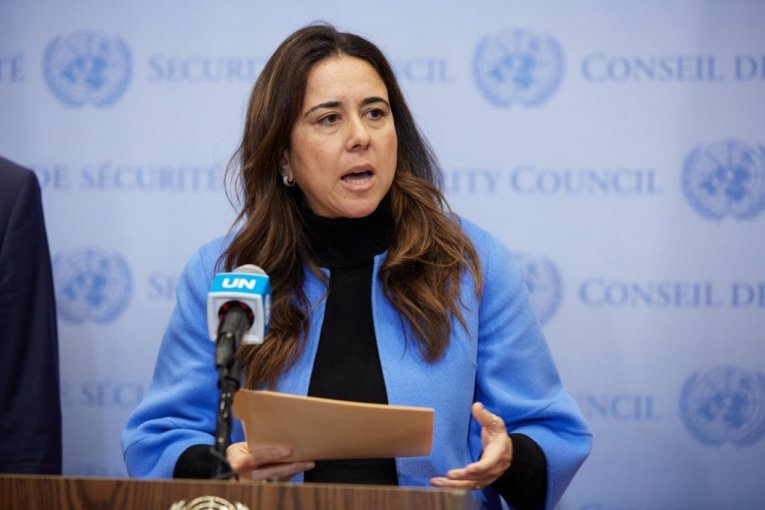
Responsibility and characterization of Iran. Opposition sources focus mainly on describing events and regional responses, often avoiding strong moral language and not elaborating at length on Iran’s motives beyond noting that Tehran is the origin of the attacks. Pro-government outlets, however, frame Iran’s behavior as reckless and irresponsible, prominently featuring statements such as the UAE minister’s demand that Iran obey international law and stop attacks on Gulf states. In that narrative, Iran is cast as a primary aggressor threatening regional stability and the world economy, and its actions are labeled as intimidation or terrorism rather than just military escalation.
Portrayal of Gulf governments and defenses. Opposition reporting presents Gulf states primarily in operational terms, highlighting interceptions by Saudi and Emirati defenses and the US decision to evacuate some personnel, but offers limited praise or rhetorical support. Pro-government coverage accentuates Gulf resilience and legitimacy, underscoring vows by UAE officials to "decisively" protect their people and their model of tolerance and prosperity, and listing large interception numbers as proof of competence. This creates a contrast between a relatively neutral operational framing in opposition outlets and a valorizing emphasis on steadfast leadership and strong defenses in pro-government media.
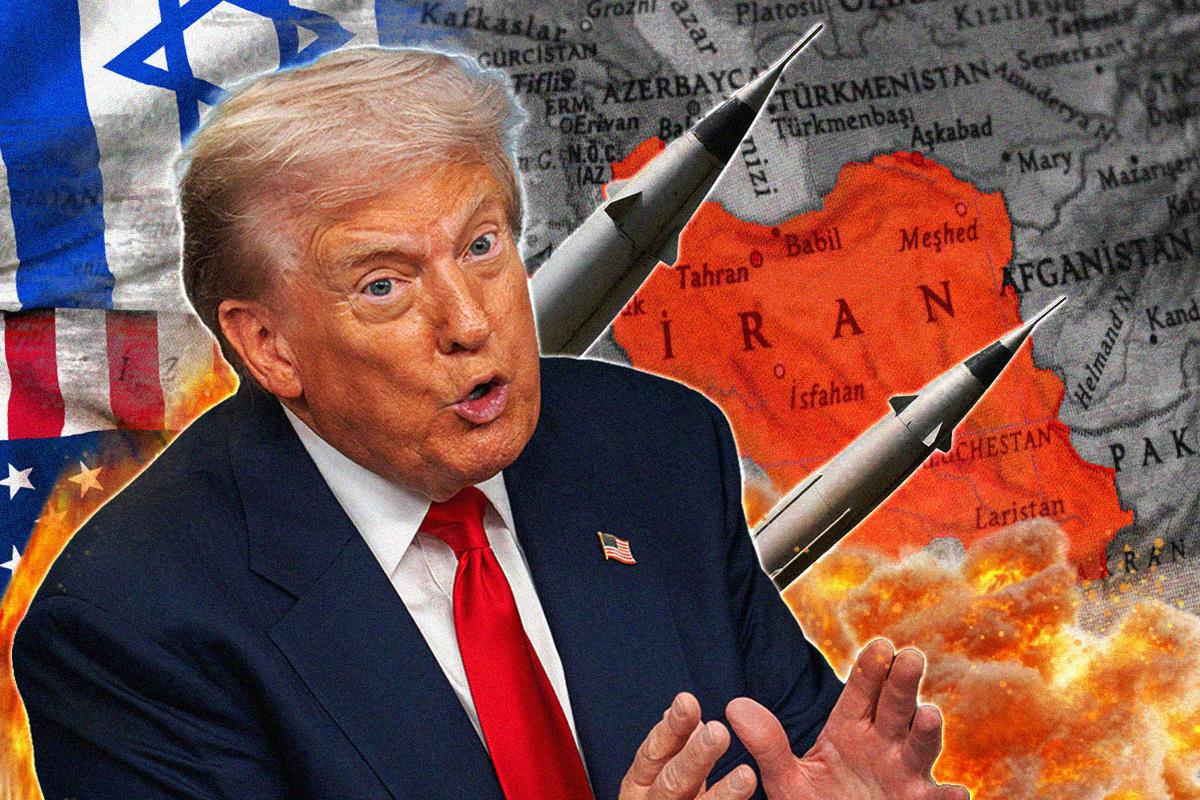
Broader geopolitical framing. Opposition outlets tend to situate the attacks within a wider pattern of Middle Eastern volatility, mentioning Israel, Lebanon, and regional sirens but offering less grandiose language about global stakes or Western political drama. Pro-government coverage more frequently ties the events to international politics and great-power dynamics, invoking reactions from figures like Trump, France’s reluctance to send warships, and the risk to global economic stability, to suggest that Iran’s actions reverberate far beyond the region. As a result, opposition narratives lean toward a regional security frame, while pro-government narratives elevate the crisis into a test of international order and Western resolve.
In summary, opposition coverage tends to describe the coordinated Iranian attacks in a more restrained, incident-focused way that highlights interceptions and regional security management, while pro-government coverage tends to dramatize the scale of the assault, sharply condemn Iran’s conduct, and celebrate Gulf governments’ defensive capabilities and international legitimacy.
Story coverage