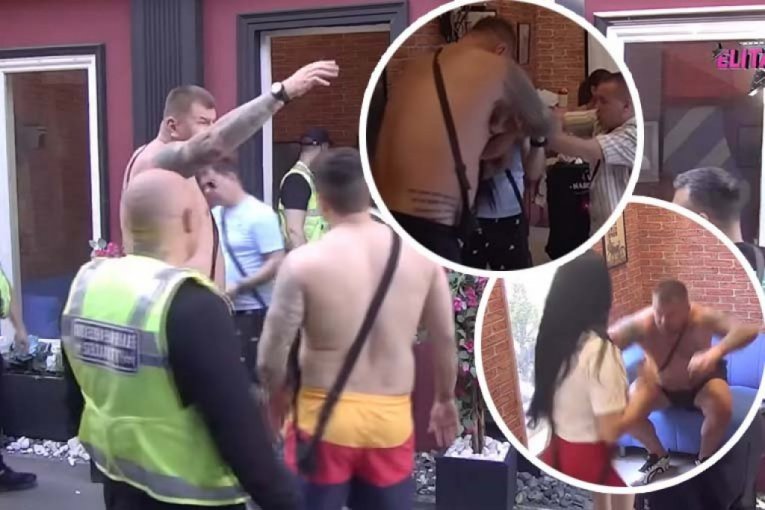


The altercation between Marko Janjušević Janjuš and Jovana Cvijanović occurred during the live broadcast of the “Amnezija” radio segment within the reality format “Elita,” leading to the abrupt halt of the show. Both sides’ accounts agree that a verbal clash escalated quickly, with Cvijanović openly accusing Janjuš of dishonesty and vengefulness, and Janjuš retaliating with personal and intimate insults, after which production intervened and the broadcast was cut short.
Across the spectrum, outlets describe the incident as another in a string of reality-show conflicts used to sustain audience attention and ratings, with the institutional setting of a reality TV house and its 24-hour recording structure providing a stage for such clashes. Commentators on both sides agree that the format of “Elita” encourages confrontational behavior and that the “Amnezija” segment is designed to provoke sharp exchanges between participants, making this breakdown of the show both unsurprising and emblematic of broader trends in sensationalist entertainment programming.
Areas of disagreement
Framing of the incident. Opposition-aligned sources tend to frame the clash as symptomatic of a toxic reality-TV culture cultivated by networks close to the government, treating the shutdown of “Amnezija” as evidence that sensationalism has spun out of control. Pro-government outlets, by contrast, present it as an isolated emotional outburst between two strong personalities, emphasizing the immediacy and drama rather than systemic issues. While opposition media would likely stress patterns of similar incidents and link them to broader editorial policies, pro-government reports remain narrowly focused on the specific argument, its insults, and the visual spectacle.
Responsibility and blame. Opposition coverage is inclined to broaden responsibility, suggesting that producers and the channel bear blame for setting up and monetizing confrontations like the one between Janjuš and Cvijanović. Pro-government outlets, however, place blame squarely on the participants’ tempers and mutual provocations, highlighting Cvijanović’s accusations that Janjuš is a liar and his counterattacks about alleged intimacy. In doing so, opposition narratives connect the altercation to governance of the media space, whereas pro-government narratives treat it as a personal dispute with limited broader implications.
Impact and significance. Opposition-aligned media tend to portray the stoppage of the show as an alarming example of the degradation of public discourse under a reality-obsessed media ecosystem that distracts from substantive social and political issues. Pro-government media, in contrast, frame the impact mainly in terms of viewer shock and curiosity, underscoring the dramatic nature of the quarrel and injuries or verbal “mutilation” without turning it into a critique of the wider system. As a result, opposition outlets view the event as politically and culturally significant, while pro-government outlets see it as primarily entertainment news.
In summary, opposition coverage tends to interpret the Janjuš–Cvijanović altercation as a symptom of a deliberately cultivated, sensationalist media environment that serves broader political interests, while pro-government coverage tends to treat it as a self-contained reality-show drama driven by personal animosities and emotional excess rather than systemic design.