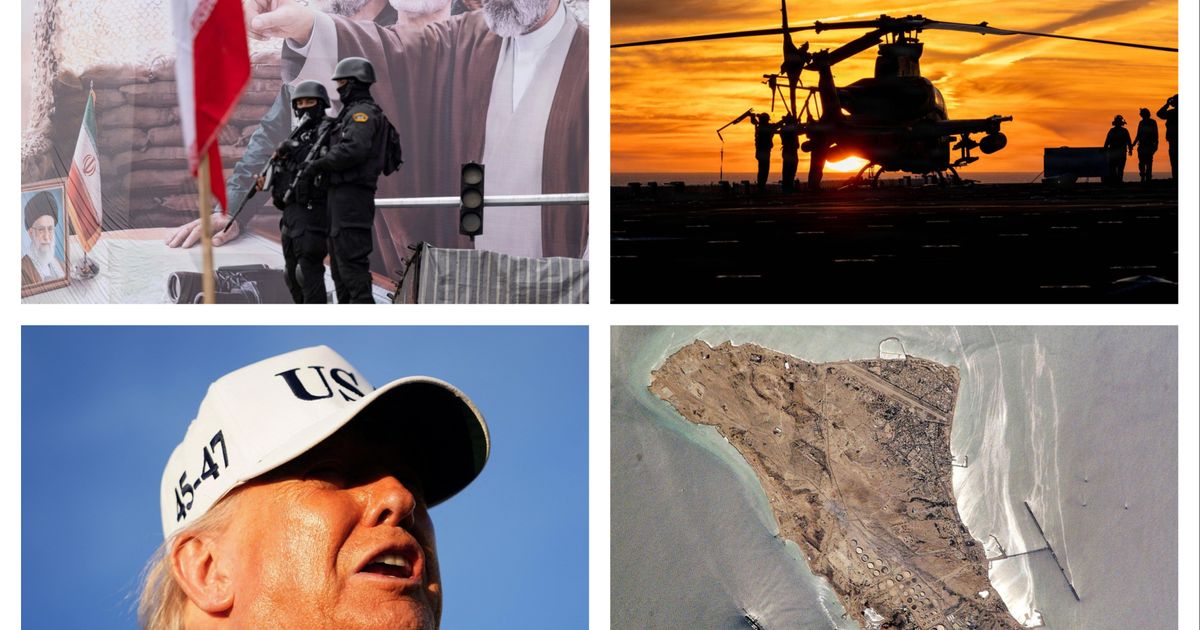

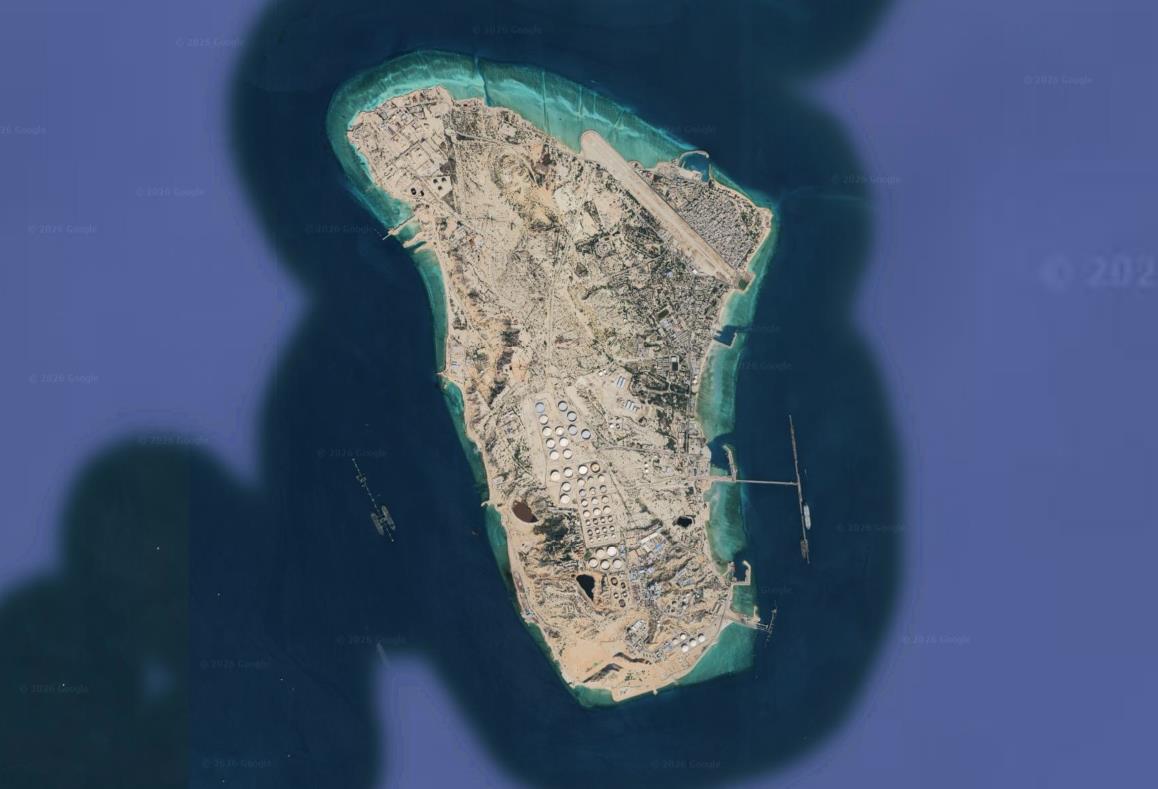
US and Iranian sources, along with regional and international reporting, broadly agree that the United States has confirmed conducting airstrikes on Iran’s Harg (Kharg) Island in the Persian Gulf, a small but strategically vital hub for Iran’s oil exports. Coverage from both opposition and pro-government aligned outlets notes that US forces struck military targets or installations on or near the island’s energy infrastructure, with the operation publicly framed from Washington as a response to Iranian actions around the Strait of Hormuz and regional shipping lanes. Reports converge that Harg Island handles the overwhelming majority—often cited as 90–95 percent—of Iran’s crude oil exports, making any damage there potentially devastating for Iran’s export capacity and highly consequential for global oil markets. There is shared acknowledgment that President Donald Trump personally confirmed or publicly touted the strikes and hinted at or explicitly threatened further action against Iranian energy facilities if Tehran continues what the US characterizes as obstruction or aggression in key maritime chokepoints.
Across the spectrum, media describe Harg Island as a linchpin of Iran’s economy and a central node in the broader global energy system, emphasizing its role as the main terminal through which Iranian crude reaches international markets. Both opposition and pro-government coverage situate the strikes within a long-running US–Iran confrontation over Gulf security, sanctions pressure, and Iran’s use of proxy forces and maritime leverage in the Strait of Hormuz. Outlets on both sides reference the risk that disabling or severely damaging Harg Island’s terminals could sharply reduce Iran’s foreign currency earnings, constrict global supply, and trigger significant oil price volatility that would reverberate across consumer economies. There is also broad agreement that the attack represents a serious escalation in a regional war context already marked by clashes, proxy attacks, and threats to energy infrastructure, and that it will likely prompt new diplomatic, military, and economic responses from Tehran and its allies as well as from US partners who depend on stable Gulf shipping.
Areas of disagreement
Motives and justification. Opposition-leaning sources tend to portray the US rationale for striking Harg Island as pretextual, arguing that Washington is using incidents in the Strait of Hormuz as a cover for a broader strategy of economic strangulation and regime change. They question whether the targeted sites truly posed an imminent threat and highlight the disproportionate impact on Iran’s civilian economy. Pro-government outlets, by contrast, echo US claims that the operation was a necessary response to Iranian obstruction and threats to international shipping, framing it as a defensive move to secure global energy flows. They emphasize Trump’s statements about ensuring oil supplies and depict the strikes as a calibrated warning rather than an unprovoked offensive.
Nature and scale of damage. Opposition coverage is more likely to suggest or imply that the strikes risk severe or lasting damage to Iran’s oil export capacity, sometimes warning that even “partial” hits on terminals or related infrastructure could effectively cripple Iran’s economy and push the global energy market into turmoil. These outlets stress Iran’s vulnerability and the potential for humanitarian and economic fallout at home. Pro-government media, while underscoring the island’s strategic importance and the theoretical ability of US power to “flatten” Harg, often frame the attack as focused on military assets, downplaying or leaving ambiguous the extent of physical harm to export infrastructure. They stress American capability more than verified destruction, using the prospect of devastation as deterrent messaging rather than as a confirmed outcome.
Strategic consequences and escalation. Opposition-aligned sources frequently warn that hitting Harg Island is a reckless escalation that could trigger wider conflict, drive Iran to retaliate across multiple fronts, and further destabilize the Middle East. They argue that targeting such a critical economic node crosses a threshold from military signaling into economic warfare, undermining any remaining diplomatic off-ramps. Pro-government outlets, however, present the strikes as part of a strategy that has already “decimated and completely defeated” Iran’s capacity to threaten regional order, casting them as a decisive step toward restoring deterrence. From this perspective, escalation risk is acknowledged but framed as manageable and outweighed by the benefits of reasserting US dominance and safeguarding allies and trade routes.
Impact on global energy markets. Opposition reporting tends to stress worst-case scenarios for oil prices and supply, contending that even limited disruption at Harg Island could quickly translate into price spikes, strain on consumer economies, and pressure on vulnerable states. They often frame the US action as jeopardizing the very market stability Washington claims to defend, and as potentially backfiring by hurting Western consumers. Pro-government sources foreground Trump’s assurances that the US will “ensure oil supplies,” suggesting that alternative producers and US reserves can offset Iranian losses and maintain market stability. While they acknowledge the island’s importance and the theoretical risk to prices, they emphasize American and allied capacity to manage any shock, presenting the operation as reinforcing, not undermining, energy security.
In summary, opposition coverage tends to cast the Harg Island strikes as an overreach that weaponizes economic vulnerabilities and heightens the risk of regional war and market chaos, while pro-government coverage tends to present them as a justified, controlled show of force aimed at protecting shipping lanes, deterring Iran, and stabilizing global energy supplies.