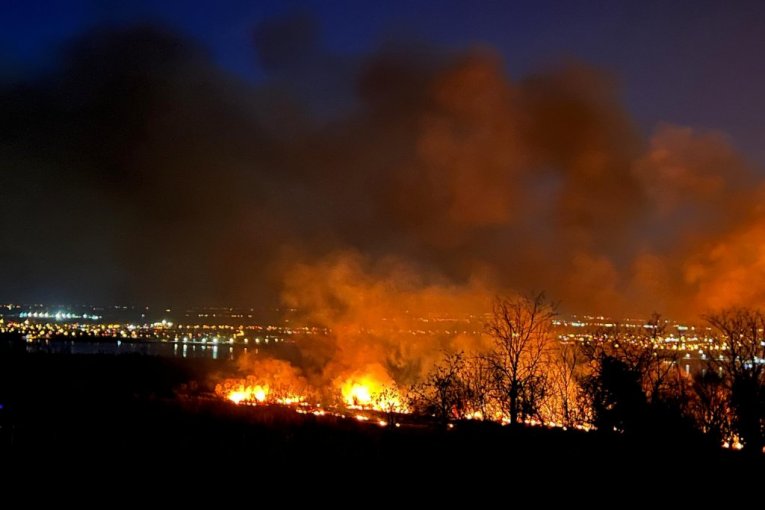
A large fire broke out between Beočin and Rakovac, with flames so intense they were reportedly visible from tens of kilometers away, and a dense column of black smoke spreading over much of Novi Sad. Both opposition and pro-government outlets describe a fast-moving blaze consuming reeds and other vegetation on a significant area of land, stressing that the fire had not been quickly brought under control and that the visual impact on the city and nearby settlements was dramatic.
Across the spectrum, media agree that this incident underscores the vulnerability of the region’s riverside and vegetated zones to large fires, especially in dry and windy conditions. They also concur that the event strains local emergency and firefighting capacities, raises questions about land management along the Danube corridor, and fits into a broader pattern of recurring seasonal fires that expose gaps in prevention, monitoring, and coordination among local authorities and public services.
Areas of disagreement
Responsibility and blame. Opposition outlets tend to focus on possible negligence by local authorities, pointing to alleged failures in preventive maintenance of vegetation, enforcement against illegal burning, and long-standing underinvestment in fire services. Pro-government outlets, by contrast, emphasize the suddenness and natural conditions surrounding the blaze, downplaying institutional culpability and framing it primarily as a difficult but well-managed emergency response challenge.
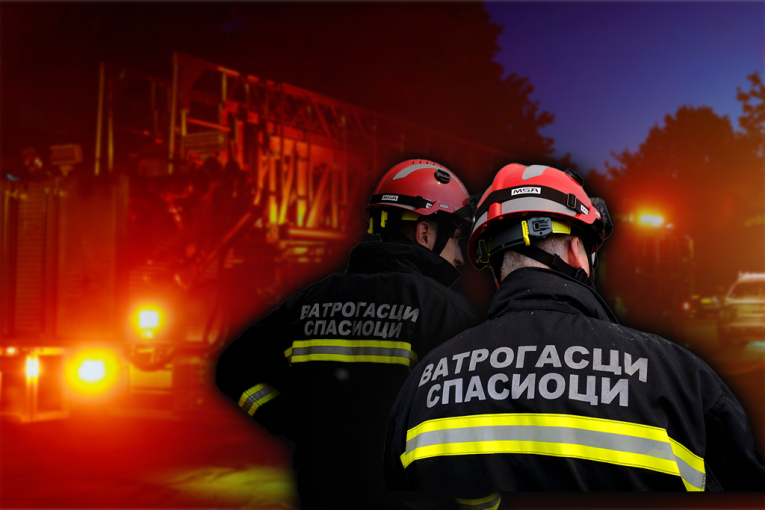
Framing of state response. Opposition coverage frequently highlights delays, lack of equipment, or insufficient coordination among fire brigades and municipal services, using eyewitness accounts and social media posts to question whether authorities reacted quickly enough as Novi Sad became enveloped in smoke. Pro-government media concentrate on official statements and dramatic imagery of firefighters at work, portraying the response as swift, organized, and effective under demanding circumstances.
Broader political context. Opposition-aligned sources are more likely to connect the fire to systemic governance issues, citing it as symptomatic of broader environmental mismanagement, corruption in local planning, or neglect of public safety infrastructure under the current leadership. Pro-government outlets generally treat the fire as an isolated incident, avoiding linkage to national political debates and steering attention away from systemic critiques, instead foregrounding unity, resilience, and the professionalism of emergency services.
Future reforms and accountability. Opposition reporting tends to call for investigations, clearer accountability chains, and structural reforms in land-use regulation and emergency preparedness, suggesting that similar disasters are likely without substantive changes. Pro-government coverage, when addressing the future, leans toward incremental improvements, technical upgrades, and public-awareness measures, framing them as part of the government’s ongoing efforts rather than as responses to policy failure.
In summary, opposition coverage tends to interpret the Beočin–Rakovac fire as evidence of deeper governance and environmental failures requiring structural accountability, while pro-government coverage tends to present it as a severe but competently handled incident shaped mainly by natural conditions and resolved through the effective work of state services.
Story coverage