

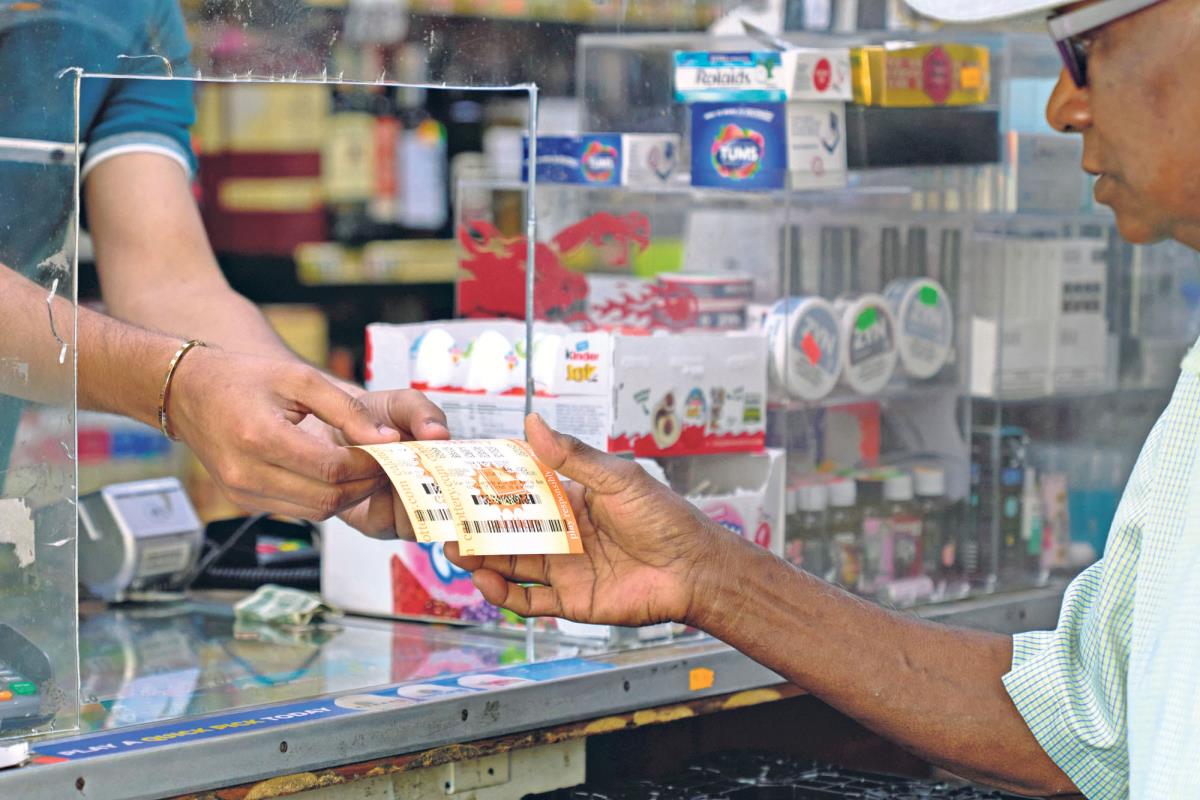
A single EuroMillions ticket bought in the United Kingdom has won a jackpot of about £181 million, worth just over 209 million euros, with both opposition and pro-government outlets agreeing this is the third-largest prize in British National Lottery history. They concur that only one ticket scooped the entire jackpot and that lottery officials are calling on players to check their tickets, describing the windfall as a life-changing amount of money that dramatically elevates the winner’s financial status.
Coverage from both sides situates the story within the broader framework of the UK’s participation in the EuroMillions transnational lottery and the track record of huge jackpots in the country. They also agree that such wins are framed as rare, transformative events within the national lottery system and that the institutions involved – the British National Lottery and EuroMillions organizers – are functioning normally in administering and publicizing the result.
Areas of disagreement
Emphasis and framing. Opposition-aligned outlets emphasize the sheer size of the prize and its position in lottery history, using it to highlight the dramatic inequality between everyday life and a celebrity-style lifestyle suddenly available to a single person. Pro-government outlets also stress the record-breaking nature of the win but lean more on celebratory language and spectacle, underscoring the historic ranking and the enormity of the payout rather than potential social contrasts.
Details and transparency. Pro-government coverage foregrounds specific winning numbers and the exact ranking of the jackpot, presenting the event in a detailed, fact-heavy style that underlines the transparency and reliability of the lottery system. Opposition sources, while accepting the same basic facts, devote less attention to granular technical details and more to evocative descriptions of the fortune and its implications for personal lifestyle, implying that the headline figures matter more than procedural specifics.
Socioeconomic undertones. Opposition outlets frame the story with hints of socioeconomic contrast, suggesting that such a windfall provides access to the kind of wealth usually associated with celebrities or the ultra-rich, thereby implicitly highlighting existing disparities. Pro-government outlets are more likely to treat the jackpot as a feel-good human-interest story and a showcase for the lottery, downplaying any critical reflection on wealth distribution or broader social context.
In summary, opposition coverage tends to stress the lifestyle and inequality implications of such an extraordinary win and use more evocative contrasts with ordinary life, while pro-government coverage tends to celebrate the event as a record-breaking success story for the lottery system, highlighting detailed facts and presenting it as a straightforward moment of national good fortune.
