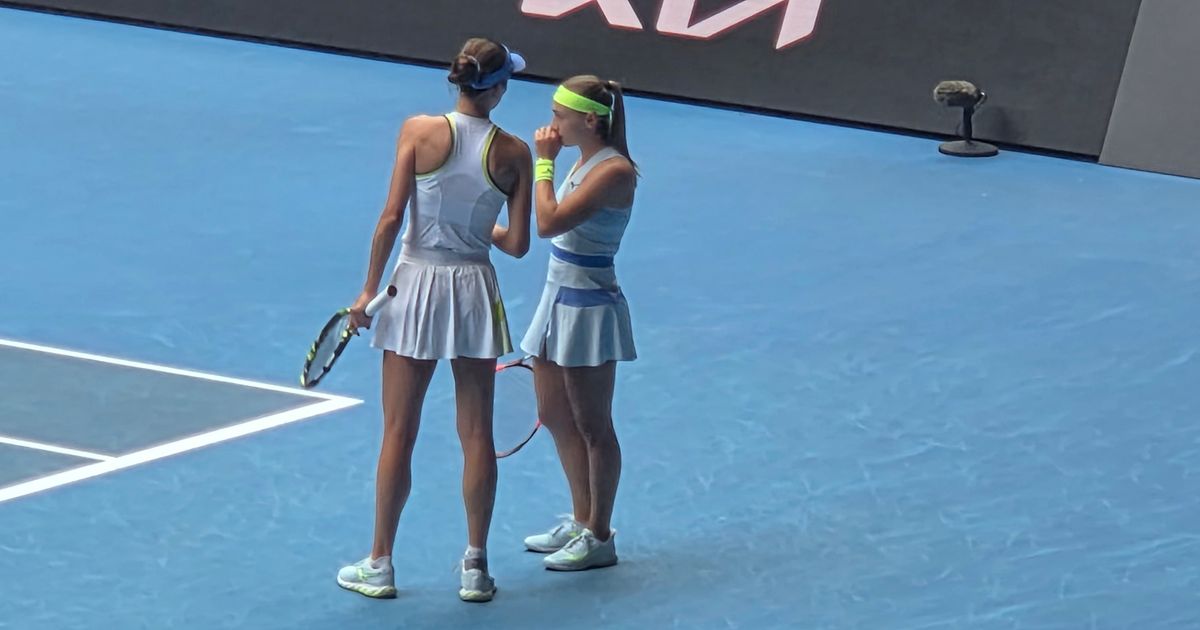

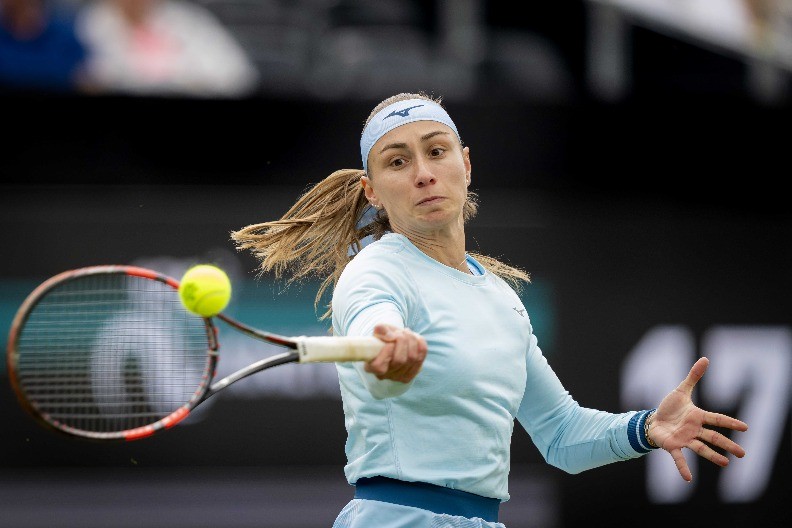
Aleksandra Krunić and Ana Danilina are widely reported to have advanced to the women’s doubles quarterfinals at the Indian Wells tournament as fifth seeds, following a straight‑sets victory over the young pair of Mira Andreeva and Victoria/Viktoria Mboko. All coverage agrees that Krunić and Danilina mounted a comeback after an early deficit in the first set to win 7:6 (5), 6:2, and that their next opponents in the quarterfinals are the seventh‑seeded team of Cristina Bucșa and Nicole Melichar‑Martinez, often described as a Spanish‑American duo.
Across outlets there is shared emphasis that this run solidifies Krunić’s strong form in doubles and positions her for a significant jump in the WTA doubles rankings, with some reports noting the realistic prospect of her approaching or entering the top 10. Media from both sides acknowledge Indian Wells as a prestigious combined ATP/WTA event often nicknamed the "fifth Grand Slam," and they frame Krunić and Danilina’s progress as part of a broader resurgence of Serbian representation in high‑level tennis. There is also agreement that the pair’s performance, especially their resilience in tight moments like the first‑set tiebreak, underlines the importance of stable doubles partnerships and the growing competitiveness of younger challengers such as Andreeva and Mboko.
Areas of disagreement
Tone and framing of success. Opposition-aligned coverage, where present, tends to describe Krunić and Danilina’s win in more measured sporting terms, focusing on the technical comeback, the quality of the opponents, and the broader WTA context without turning it into a national narrative. Pro-government outlets, by contrast, frame the same result in highly celebratory, even triumphalist language, casting Krunić as a national heroine who is "writing new pages of Serbian tennis history" and treating the quarterfinal and semifinal milestones as emblematic of Serbia’s international sporting strength.
Attribution to wider national policy. Opposition sources are more likely to present Krunić’s progress as the product of individual perseverance, professional coaching networks, and the global tennis ecosystem, downplaying any direct link to state structures. Pro-government media tend to implicitly credit Serbia’s sports system and national support for athletes, using her success as anecdotal evidence that the country’s sports policies and investments are bearing fruit, even if they do not spell out specific programs.
Use of symbolism and national pride. Opposition reporting, when it addresses symbolism at all, usually treats Krunić’s run as a positive but limited feel‑good story, careful not to conflate a sporting achievement with broader national progress. Pro-government outlets lean heavily into national pride, repeatedly highlighting her nationality in headlines, using emotive phrases like "Serbian woman continues to roar" and "magical Aleksandra," and presenting Indian Wells success as part of a continuous tradition of Serbian excellence from earlier tennis stars.
Connection to domestic politics and mood. Opposition-aligned sources tend to keep a sharper boundary between sports and domestic politics, sometimes implicitly contrasting individual athletic success with perceived stagnation or problems in other sectors of society. Pro-government outlets, however, more often weave Krunić’s achievement into a narrative of an optimistic national mood and upward trajectory, suggesting that Serbian citizens can look to such sporting results as proof of the country’s rising status and as a distraction or counterpoint to political criticism.
In summary, opposition coverage tends to treat Krunić and Danilina’s Indian Wells run as a commendable but primarily sporting accomplishment situated in the broader WTA landscape, while pro-government coverage tends to elevate the same results into a symbol of national resurgence, closely linking the athletes’ success with narratives of Serbian pride, progress, and effective state support.