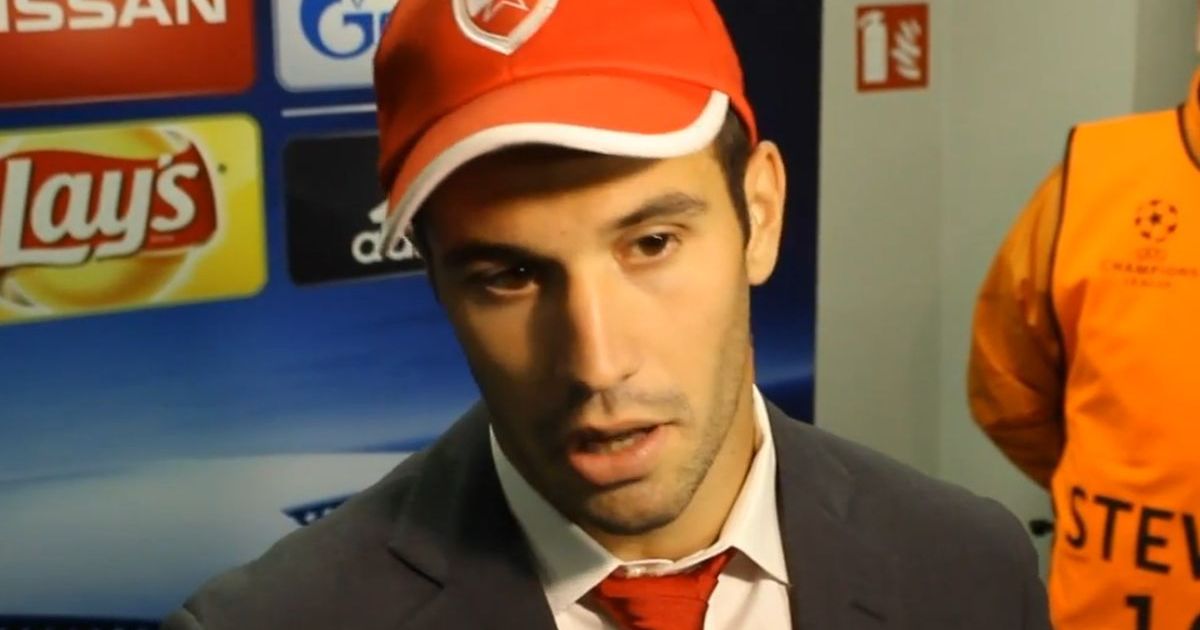

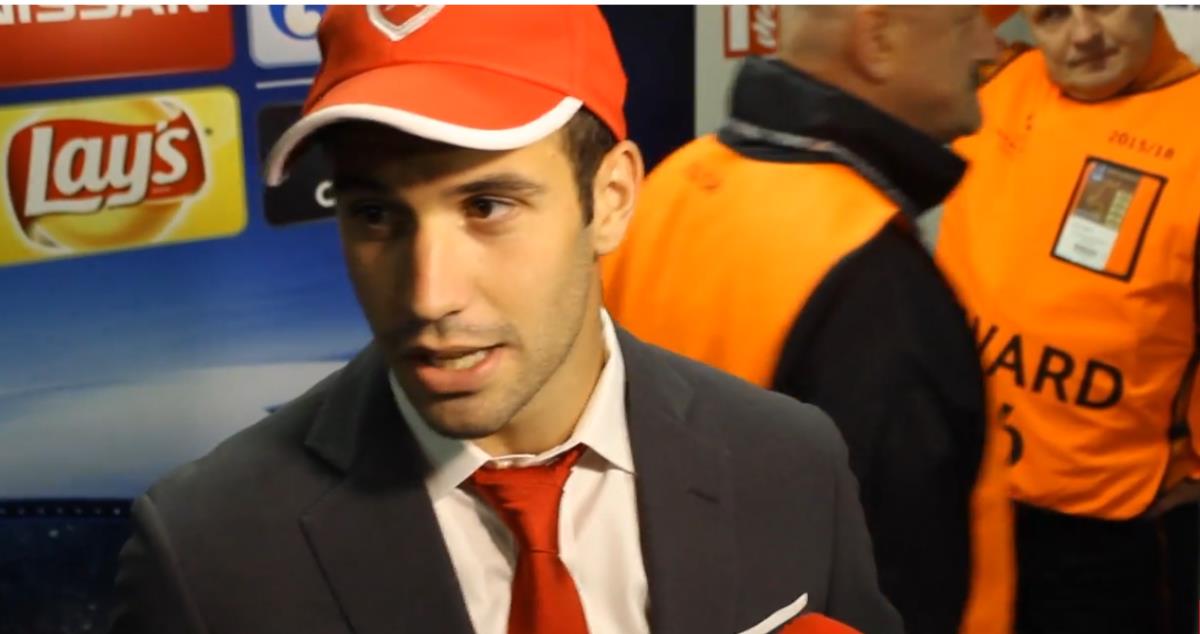
Luka Milivojević, then a young Serbian midfielder playing for Olympiacos, has recently revisited and explained a controversial incident that occurred roughly 11 years ago at Zagreb’s Maksimir Stadium after a match against Dinamo Zagreb. All sides agree that in the post‑match area he was photographed wearing a Red Star Belgrade cap, an image that quickly spread and inflamed sensitivities in Croatia given the intense football and national rivalries associated with Red Star. The cap was not his own but had been handed to him by a journalist, and amid the post‑match rush he put it on without, he now says, fully thinking through the implications. The incident triggered a wave of outrage in Croatian media and among some fans, and led to disciplinary consequences for Milivojević, including a monetary fine that was ultimately paid by his club.
Coverage that cites Milivojević’s recent comments notes his description of the episode as a youthful, thoughtless mistake rather than a calculated provocation, and emphasizes that the fine effectively closed the matter at the institutional level. Both opposition and pro-government narratives acknowledge the broader backdrop of highly charged football rivalries in the Balkans, especially between Serbian and Croatian clubs and fan groups, where symbols like club caps carry political and historical overtones. They also converge on the point that Red Star’s identity and history, and Dinamo’s own role within Croatian football culture, make public displays of rival symbols in Zagreb particularly sensitive. The shared context highlights how football institutions, clubs, and disciplinary bodies step in to manage such flare‑ups so they do not escalate beyond a media scandal and sporting sanction.
Areas of disagreement
Motives and intent. Opposition-aligned outlets tend to frame the cap incident as part of a broader pattern in which Serbian players and symbols are knowingly used to provoke Croatian audiences, questioning how accidental such a gesture could be in that setting. Pro-government sources, by contrast, emphasize Milivojević’s explanation that he absentmindedly accepted a journalist’s gift, presenting it as a naive act by a young player rather than a nationalist statement. Opposition narratives are more likely to read political symbolism into the choice of headwear, while pro-government reports lean on his retrospective clarification to strip the act of deliberate intent.
Scale of the scandal. Opposition media often depict the affair as emblematic of deep, persistent regional tensions, suggesting that the uproar in Croatia was a predictable and telling reaction to Serbian symbols appearing at Maksimir. Pro-government coverage, even when using dramatic headlines about “chaos,” tends to treat the story as an overblown media episode that quickly subsided once the fine was issued and the club intervened. While opposition sources highlight the incident as one more data point in a long-term climate of hostility, pro-government outlets present it more as a one-off storm that has since been largely resolved.
Allocation of responsibility. Opposition reporting generally stresses individual responsibility, arguing that professional players are fully aware of the charged meaning of club symbols and should exercise greater caution, implying Milivojević bears primary blame regardless of who handed him the cap. Pro-government narratives, however, distribute responsibility more broadly, pointing to the role of the journalist who supplied the cap and to the sensationalist Croatian reaction, and underscore that Olympiacos paid the fine as evidence the player was supported rather than condemned. Opposition accounts thus underline personal accountability in a fraught environment, while pro-government pieces highlight contextual pressures and shared culpability.
Wider political significance. Opposition outlets more readily connect the incident to unresolved political and historical disputes between Serbia and Croatia, using it as an illustration of how sport remains a proxy arena for nationalist confrontation. Pro-government media, in contrast, largely de-politicize the affair, framing it as a football-centric misunderstanding and focusing on Milivojević’s career, his explanation, and the disciplinary outcome without extending the narrative into broader state-level tensions. Where opposition coverage uses the cap as a symbol of systemic regional friction, pro-government coverage keeps the story within the bounds of club football and individual error.
In summary, opposition coverage tends to read the Milivojević cap episode as a revealing symptom of enduring regional antagonisms and personal misjudgment, while pro-government coverage tends to present it as a largely apolitical, youthful mistake amplified by media noise and swiftly settled through routine sporting sanctions.