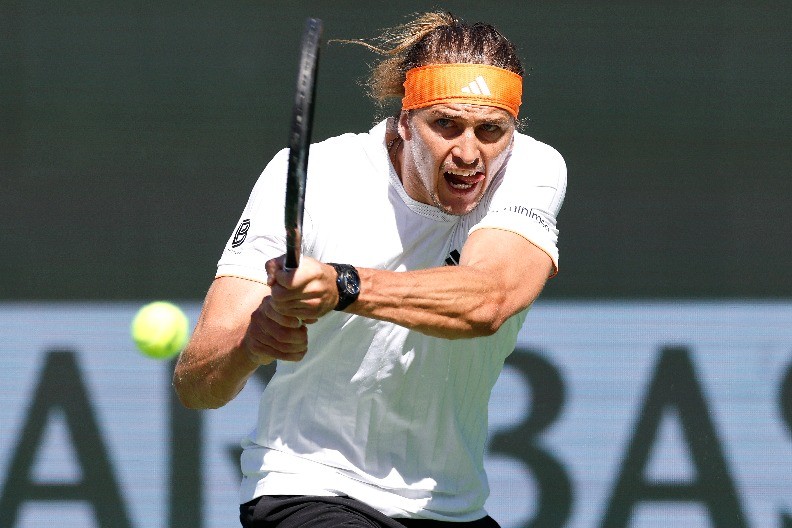

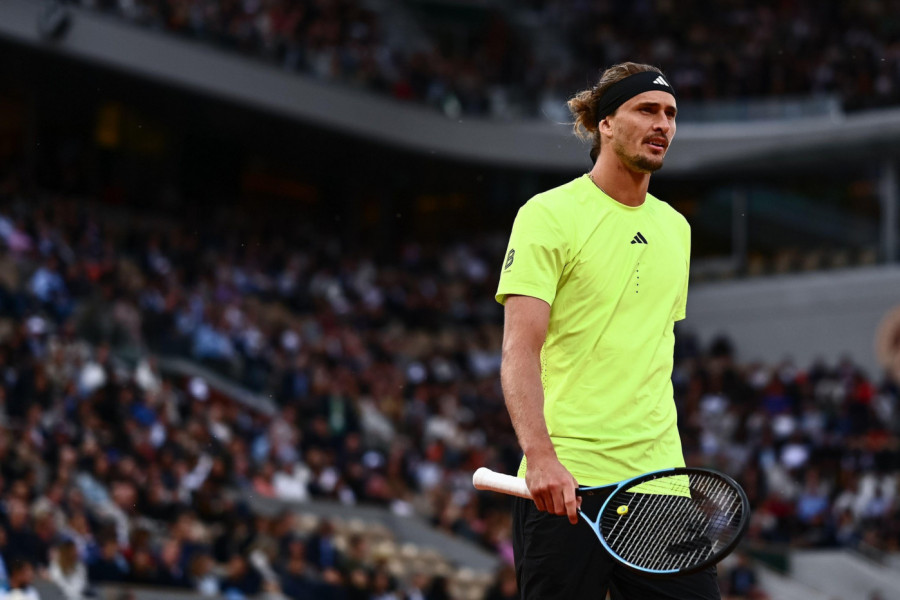
Alexander Zverev defeated Frances Tiafoe in straight sets, 6:3, 6:4, to reach the quarterfinals of the Indian Wells Masters, with both opposition and pro-government coverage agreeing on the core match facts. Reports concur that the match lasted about one hour and 30 minutes, that this victory marked Zverev’s ninth win in ten career meetings against Tiafoe, and that the win puts Zverev, currently ranked world number four, into a quarterfinal clash with Arthur Fils.
Across both types of outlets, there is alignment that this result is part of Zverev’s consistent deep runs at top-level tournaments and that Indian Wells is a premier Masters-level event on the ATP calendar. Coverage also agrees that the tournament features parallel storylines in both men’s and women’s draws, with mention of other favorites such as Aryna Sabalenka progressing on the women’s side, reinforcing the shared depiction of Indian Wells as a showcase for current elite players and form.
Areas of disagreement
Framing of Zverev’s performance. Opposition-aligned sources tend to stress that while Zverev won in straight sets, Tiafoe’s play exposed moments of vulnerability and that the scoreline slightly flatters the German, framing the match as competitive rather than effortless. Pro-government coverage, by contrast, repeatedly emphasizes that Zverev advanced "without major problems," underlining control, dominance from the baseline, and routine progression as if the result was never in doubt.
Emphasis on rivalry and head-to-head. Opposition outlets are more likely to contextualize the 9–1 head-to-head as a sign that the matchup inherently favors Zverev but also to highlight Tiafoe’s rare win as proof that he can challenge the German when conditions align. Pro-government reporting uses the same 9–1 figure to underscore Zverev’s supposed psychological and tactical superiority, presenting the head-to-head as evidence that this outcome was expected and reaffirming his status as the clear favorite.
Tournament narrative and stakes. Opposition coverage tends to situate the result within a broader, more unpredictable tournament narrative, noting other contenders and suggesting that despite this win, Zverev still faces significant hurdles ahead. Pro-government outlets instead fold the match into a story of steady ascendancy, pairing Zverev’s progress with that of other top seeds like Sabalenka to portray a tournament in which the established favorites are methodically progressing toward the final rounds.
Assessment of future prospects. Opposition sources often frame Zverev’s upcoming match against Arthur Fils as a potential test, stressing the younger player’s explosive game and the possibility of an upset, thereby casting Zverev’s path forward as uncertain. Pro-government coverage presents the Fils encounter more as the next logical step for a player in strong form, implying that Zverev’s experience and ranking make him a clear favorite and that the quarterfinal is another likely milestone en route to a title challenge.
In summary, opposition coverage tends to highlight potential vulnerabilities, competitive uncertainty, and a more balanced view of the head-to-head and upcoming challenges, while pro-government coverage tends to depict Zverev’s victory as routine, his dominance as entrenched, and his path forward as a largely predictable continuation of elite success.
Story coverage