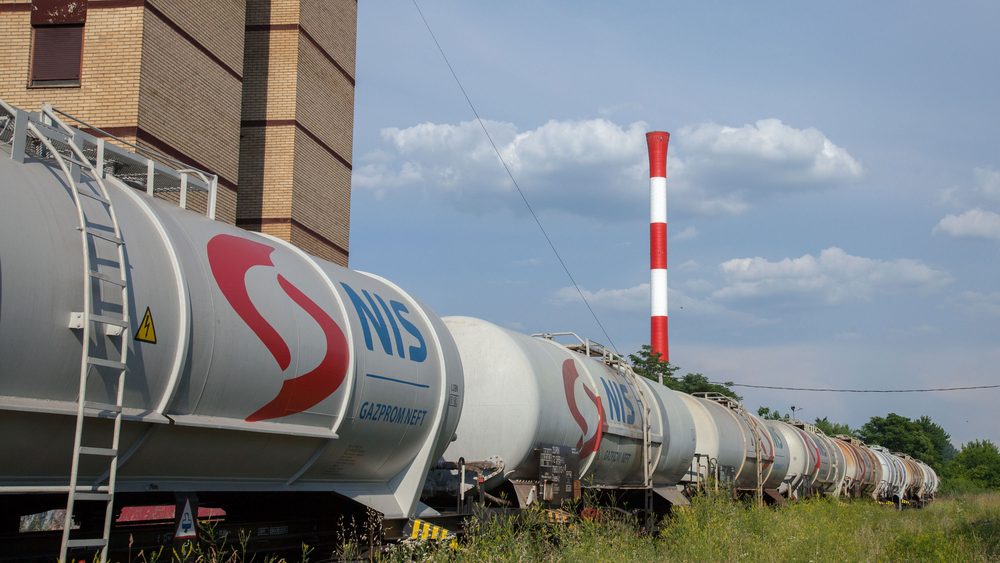


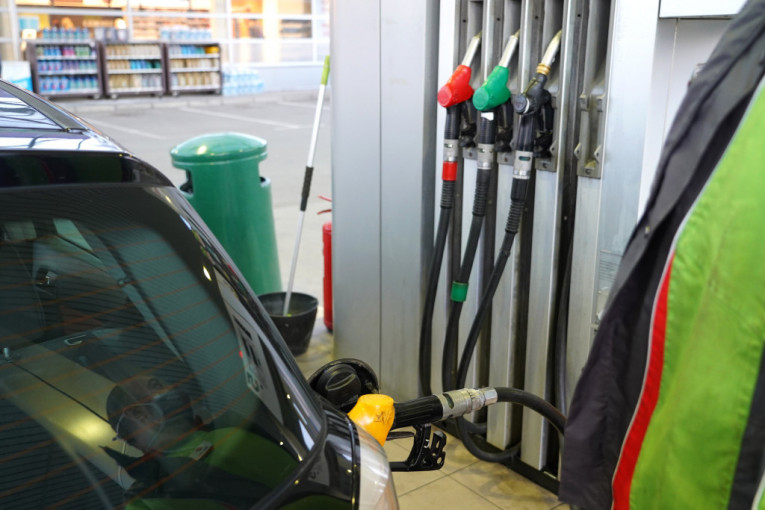
Serbian authorities have enacted a temporary ban on the export of crude oil and all oil derivatives, including gasoline and diesel, in response to turbulence on global energy markets and a sharp rise in oil prices above 100 dollars per barrel. Both opposition and pro-government outlets agree that the measure is officially in force until March 19 and was adopted urgently by the government after consultations between President Aleksandar Vučić and the prime minister. They concur that the aim is to protect the domestic market from shortages and sudden price spikes, with officials stressing that Serbia currently has sufficient fuel reserves, estimated at around 90 days of diesel and gasoline and roughly a month of kerosene, and that citizens are currently paying less for refined products than their international market value.
Coverage on both sides also highlights that Serbia is a net fuel importer whose exports of oil derivatives—primarily diesel and gasoline—go mostly to neighboring markets such as Bosnia and Herzegovina, Bulgaria, and Montenegro, and that these exports have already been declining amid global instability. Both opposition and pro-government sources link the ban to fears that escalating geopolitical tensions, particularly in the Middle East and involving Iran, could further disrupt supplies and drive up prices worldwide, prompting many countries to tighten control over fuel stocks. There is shared acknowledgment that the Serbian government is weighing whether to extend the decree beyond March 19 depending on global price movements, domestic stock levels, and the need to shield households and the economy from inflationary pressures and credit cost increases.
Areas of disagreement
Motives and responsibility. Opposition outlets portray the export ban as a reactive, last-minute move forced by external shocks and by the government’s previous failure to manage energy policy and diversify supply, sometimes hinting that systemic mismanagement left Serbia vulnerable. Pro-government media, by contrast, frame the decision as proactive and statesmanlike, stressing that Vučić personally intervened late at night to protect citizens and that Serbia has ample reserves precisely because of responsible prior planning. While opposition sources emphasize structural dependence on imports and question why such measures are always introduced in crisis mode, pro-government narratives highlight leadership decisiveness and claim the state is ahead of the curve.
Economic impact and risk framing. Opposition coverage underscores the cost of halting exports for domestic producers and traders, pointing to already falling export volumes and suggesting the ban could signal weakness or discourage investment. Pro-government outlets largely downplay negative side effects, instead stressing how the measure prevents a chain reaction of inflation, rising loan interest rates, and broader economic instability. Opposition sources warn that, as imports exceed exports fivefold, the ban does little to fix underlying vulnerabilities, while pro-government sources insist that defending domestic prices and supplies in the short term is the overriding priority.
Use of statistics and transparency. Opposition-aligned media deploy trade data—such as the share of exports to Bosnia and Herzegovina and the scale of the import–export gap—to argue that Serbia’s position in regional fuel trade is fragile and poorly communicated to the public. Pro-government outlets focus more on headline reserve figures, like 90 days of diesel and gasoline, as proof that citizens have no reason to panic and that the system is under control, offering few granular details on supply contracts or costs. While opposition reports call for clearer disclosure on stock levels, pricing formulas, and how long subsidies are sustainable, pro-government coverage prioritizes reassuring messages and broad indicators over detailed accounting.
Political messaging and personalization. Opposition sources treat the ban primarily as a policy measure within a wider pattern of ad hoc crisis management, giving less prominence to individual leaders and more to institutional shortcomings and market dependencies. Pro-government media heavily personalize the story around Vučić, foregrounding his late-night call to the prime minister, his public addresses, and his broader agenda of infrastructure and development as evidence of responsible leadership. Where opposition reporting hints that the crisis is being used to distract from deeper governance issues and to consolidate control, pro-government narratives integrate the ban into a storyline of protective, hands-on leadership guiding Serbia through external shocks.
In summary, opposition coverage tends to depict the export ban as a symptom of deeper structural weaknesses, limited transparency, and crisis-driven governance, while pro-government coverage tends to present it as a timely, responsible, and leader-driven decision that proves the state’s capacity to shield citizens from global market turmoil.
Story coverage